Field notes & Essays
Essays, field notes, and reflections on digital politics, everyday life, and teaching anthropology in Bangladesh.
Since 2006, my writing has lived across blogs, online forums, and social media—quiet observations, political reflections, fragments of memory, and field notes from a changing Bangladesh. What began as experimental blogging slowly became a long-term practice of documenting the digital public sphere, social movements, and the intimate textures of everyday life.
Long before I became an anthropologist of the digital, those early posts were already small field notes—attempts to understand how people speak, hope, resist, and transform in online spaces. From Somewhereinblog to Facebook to academic journals, my writing has followed me through different versions of life: student, researcher, teacher, and witness to a country always in motion.
For nearly two decades, I have written at the intersection of personal narrative and political imagination: Shahbag, the July Revolution, digital activism, everyday Dhaka, and the fragile architectures of our online public sphere.
This blog brings those pieces into one home—a living archive and a continuation of that long conversation.
-
নরক তখনই সম্পূর্ণ হয়, যখন শিশুর মৃত্যুতেও আমরা দল খুঁজি (শিশুর বিরুদ্ধে সমাজ পর্ব ৫)
তেরো বছরের অপ্রতিম ছবি তুলতে বেরিয়ে আর বাড়ি ফিরল না। কিন্তু তার মৃত্যুর পর আমরা যে সমাজকে দেখলাম, সেটিও কম ভয়াবহ নয়—শোকের দলীয়করণ, নিখোঁজ শিশুর প্রথম ঘণ্টায় রাষ্ট্রের অস্পষ্ট উপস্থিতি, মৃতদেহকে কনটেন্টে পরিণত করা, মাদ্রাসা ও অন্যান্য প্রতিষ্ঠানে শিশু নির্যাতন, এবং প্রতিটি ঘটনার পর শুধু বিচার চেয়ে আবার ভুলে যাওয়া। এই প্রবন্ধ প্রশ্ন তোলে: বাংলাদেশ কি এমন এক নারকীয় সামাজিক ব্যবস্থায় ঢুকে পড়েছে, যেখানে শিশুর জীবন, শরীর ও শোকও রাজনৈতিক এবং সামাজিক ব্যবহারের কাঁচামাল হয়ে যাচ্ছে?
-
Bangla | Bangladesh: Culture, Faith & Everyday Life | Critical Essays | Our Children | প্রবন্ধ | শিশুর বিরুদ্ধে সমাজ
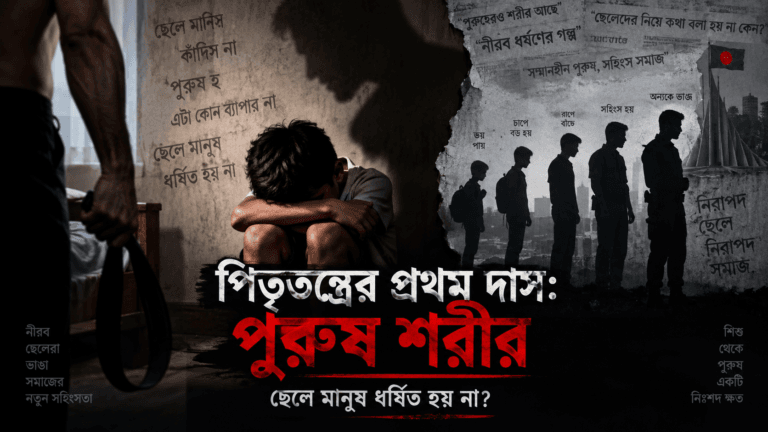
পিতৃতন্ত্রের প্রথম দাস কি পুরুষ শরীর? (শিশুর বিরুদ্ধে সমাজ | পর্ব ৪)
পিতৃতন্ত্র শুধু নারীর শরীরকে নিয়ন্ত্রণ করে না; পুরুষের শরীরকেও এমনভাবে গড়ে তোলে যেন সে কখনো দুর্বল, আক্রান্ত বা ধর্ষিত হতে পারে না। বাংলাদেশে প্রায় তিন কোটি ছেলে শিশু বড় হচ্ছে এমন এক সামাজিক ব্যবস্থায়, যেখানে কান্না, ভয়, vulnerability এবং সাহায্য চাওয়াকে পুরুষত্বের বিপরীত হিসেবে শেখানো হয়। এই লেখায় প্রশ্ন করা হয়েছে—এই নীরবতা, যৌন সহিংসতার অভিজ্ঞতা এবং আইনি অস্বীকৃতি ভবিষ্যতে কী ধরনের পুরুষ, পরিবার ও নাগরিক সমাজ তৈরি করছে?
-
Bangla | Bangladesh: Culture, Faith & Everyday Life | Critical Essays | Our Children | প্রবন্ধ | শিশুর বিরুদ্ধে সমাজ
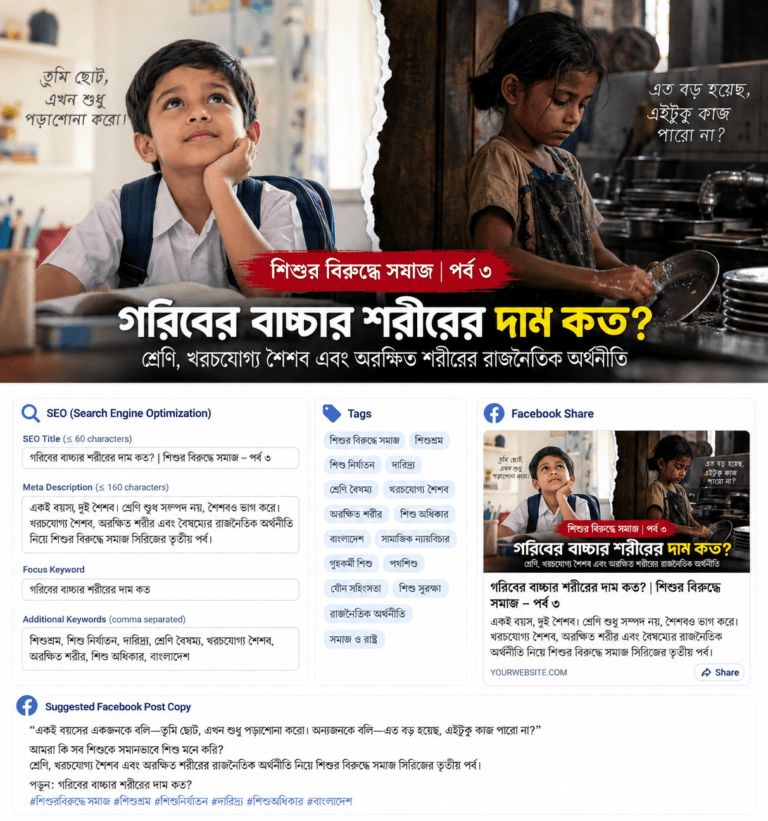
গরিবের বাচ্চার শরীরের দাম কত? (শিশুর বিরুদ্ধে সমাজ | পর্ব ৩)
একই বয়সের দুই শিশুর একজনকে আমরা বলি—“তুমি ছোট”; অন্যজনকে বলি—“এত বড় হয়েছ, এইটুকু কাজও পারো না?” এই লেখা প্রশ্ন করে: শ্রেণি কি শুধু সম্পদ ও ভবিষ্যৎ ভাগ করে, নাকি কে কতদিন শিশু থাকতে পারবে সেটিও নির্ধারণ করে? বাংলাদেশের শিশুশ্রম, অরক্ষিত শরীর এবং ‘খরচযোগ্য শৈশব’-এর রাজনৈতিক অর্থনীতি নিয়ে ‘শিশুর বিরুদ্ধে সমাজ’ সিরিজের তৃতীয় পর্ব।
-
Bangla | Bangladesh: Culture, Faith & Everyday Life | Critical Essays | Our Children | প্রবন্ধ | শিশুর বিরুদ্ধে সমাজ
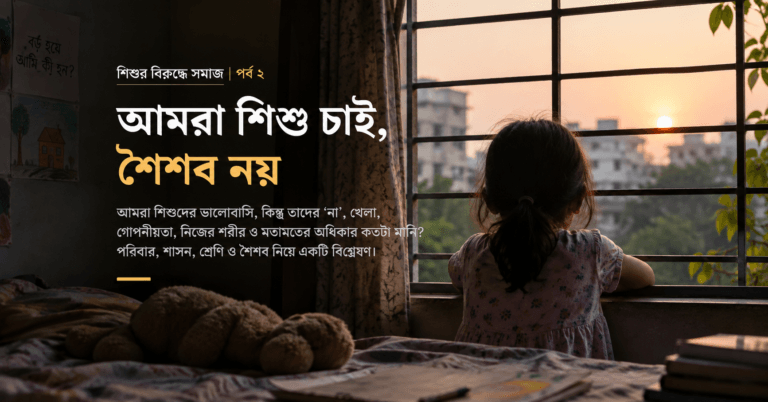
আমরা শিশু জন্ম দিই, তারপর তাদের দখল করি (শিশুর বিরুদ্ধে সমাজ | পর্ব ২)
আমরা শিশুদের ভালোবাসি, তাদের ভবিষ্যৎ নিরাপদ করতে চাই। কিন্তু তাদের ‘না’, খেলা, গোপনীয়তা, নিজের শরীর, সময় ও মতামতের অধিকার কতটা মানি? পরিবার, শাসন, শ্রেণী ও ভালোবাসার ভেতরে লুকিয়ে থাকা নিয়ন্ত্রণের মধ্য দিয়ে এই লেখা প্রশ্ন করে—আমরা কি সত্যিই শিশু চাই, নাকি এমন শিশু চাই যার শৈশব চলবে আমাদের ইচ্ছামতো?
-
Bangla | Bangladesh: Culture, Faith & Everyday Life | Critical Essays | Digital Society | Our Children | প্রবন্ধ | শিশুর বিরুদ্ধে সমাজ
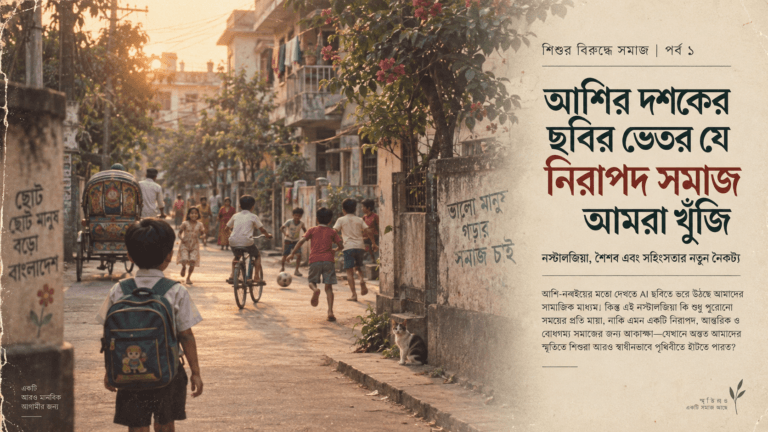
শিশুর বিরুদ্ধে সমাজ | পর্ব ১
আশি-নব্বইয়ের মতো দেখতে AI-ছবিতে ভরে উঠছে আমাদের সামাজিক মাধ্যম। কিন্তু আমরা কি আসলে পুরোনো পোশাক, ক্যাসেট আর ফিল্ম ক্যামেরার জন্য আকুল? নাকি এমন একটি নিরাপদ, আন্তরিক ও বোধগম্য সমাজের জন্য—যেখানে আমাদের মনে হয় শিশুরা নিশ্চিন্তে বড় হতে পারত? সমস্যা হলো, সেই অতীত সত্যিই কতটা নিরাপদ ছিল, আর কতটা ছিল অদৃশ্য সহিংসতার সময়?
-
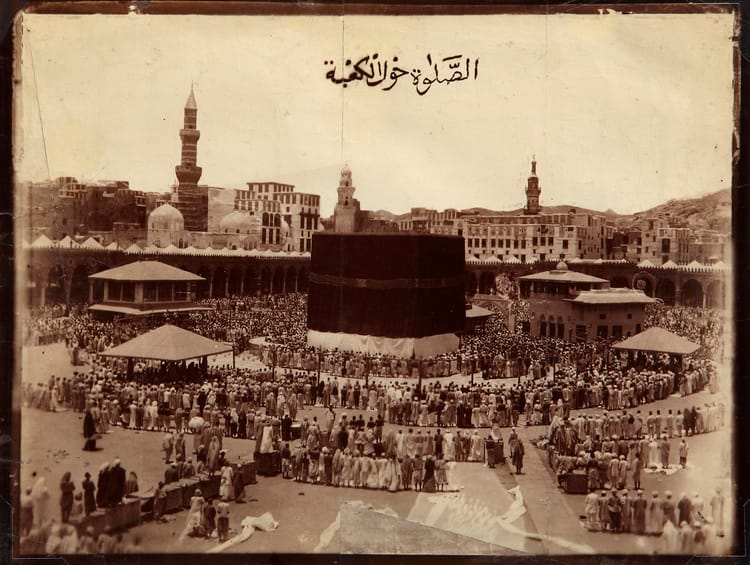
ক্যামেরা কি ‘মুসাওয়ির’?
ইসলামে ছবি তোলা কি হাদিসে আলোচিত তাসভির-এরই আধুনিক রূপ, নাকি camera শুধু বাস্তবতার আলোকে ধরে রাখে? ইসলামি শিল্প, ফিকহি বিতর্ক, Ottoman photographic archive, মক্কার প্রথম photographer এবং আজকের AI যুগকে পাশাপাশি রেখে এই প্রবন্ধটি দেখার চেষ্টা করে—ইসলাম ও photography-র সম্পর্ক নিষেধের সরল ইতিহাস নয়; এটি স্মৃতি, representation, power এবং মানবমর্যাদারও ইতিহাস।
-
একই টেবিলে নয়
ভিডিওতে দেখা যায়, দূর থেকে খাবারের দৃশ্য উপভোগ করা যায়—কিন্তু একই টেবিলে বসা যায় না। কারণ মুখোমুখি বসলে চোখের দিকে তাকাতে হয়।