Exploring People, Culture & Digital Worlds
Anthropologist • Researcher • Photographer • Writer
I am an anthropologist, researcher, teacher, photographer, and writer exploring the intersections of culture, technology, activism, and everyday life.
My work spans South Asia, Japan, and global digital cultures — blending ethnography, photography, and critical storytelling to understand how people live, resist, and imagine.
- নরক তখনই সম্পূর্ণ হয়, যখন শিশুর মৃত্যুতেও আমরা দল খুঁজি (শিশুর বিরুদ্ধে সমাজ পর্ব ৫)তেরো বছরের অপ্রতিম ছবি তুলতে বেরিয়ে আর বাড়ি ফিরল না। কিন্তু তার মৃত্যুর পর আমরা যে সমাজকে দেখলাম, সেটিও কম ভয়াবহ নয়—শোকের দলীয়করণ, নিখোঁজ শিশুর প্রথম ঘণ্টায় রাষ্ট্রের অস্পষ্ট উপস্থিতি, মৃতদেহকে কনটেন্টে পরিণত করা, মাদ্রাসা ও অন্যান্য প্রতিষ্ঠানে শিশু নির্যাতন, এবং প্রতিটি ঘটনার পর শুধু বিচার চেয়ে আবার ভুলে যাওয়া। এই প্রবন্ধ প্রশ্ন তোলে: বাংলাদেশ কি এমন এক নারকীয় সামাজিক ব্যবস্থায় ঢুকে পড়েছে, যেখানে শিশুর জীবন, শরীর ও শোকও রাজনৈতিক এবং সামাজিক ব্যবহারের কাঁচামাল হয়ে যাচ্ছে?
- পিতৃতন্ত্রের প্রথম দাস কি পুরুষ শরীর? (শিশুর বিরুদ্ধে সমাজ | পর্ব ৪)পিতৃতন্ত্র শুধু নারীর শরীরকে নিয়ন্ত্রণ করে না; পুরুষের শরীরকেও এমনভাবে গড়ে তোলে যেন সে কখনো দুর্বল, আক্রান্ত বা ধর্ষিত হতে পারে না। বাংলাদেশে প্রায় তিন কোটি ছেলে শিশু বড় হচ্ছে এমন এক সামাজিক ব্যবস্থায়, যেখানে কান্না, ভয়, vulnerability এবং সাহায্য চাওয়াকে পুরুষত্বের বিপরীত হিসেবে শেখানো হয়। এই লেখায় প্রশ্ন করা হয়েছে—এই নীরবতা, যৌন সহিংসতার অভিজ্ঞতা এবং আইনি অস্বীকৃতি ভবিষ্যতে কী ধরনের পুরুষ, পরিবার ও নাগরিক সমাজ তৈরি করছে?
- গরিবের বাচ্চার শরীরের দাম কত? (শিশুর বিরুদ্ধে সমাজ | পর্ব ৩)একই বয়সের দুই শিশুর একজনকে আমরা বলি—“তুমি ছোট”; অন্যজনকে বলি—“এত বড় হয়েছ, এইটুকু কাজও পারো না?” এই লেখা প্রশ্ন করে: শ্রেণি কি শুধু সম্পদ ও ভবিষ্যৎ ভাগ করে, নাকি কে কতদিন শিশু থাকতে পারবে সেটিও নির্ধারণ করে? বাংলাদেশের শিশুশ্রম, অরক্ষিত শরীর এবং ‘খরচযোগ্য শৈশব’-এর রাজনৈতিক অর্থনীতি নিয়ে ‘শিশুর বিরুদ্ধে সমাজ’ সিরিজের তৃতীয় পর্ব।
- আমরা শিশু জন্ম দিই, তারপর তাদের দখল করি (শিশুর বিরুদ্ধে সমাজ | পর্ব ২)আমরা শিশুদের ভালোবাসি, তাদের ভবিষ্যৎ নিরাপদ করতে চাই। কিন্তু তাদের ‘না’, খেলা, গোপনীয়তা, নিজের শরীর, সময় ও মতামতের অধিকার কতটা মানি? পরিবার, শাসন, শ্রেণী ও ভালোবাসার ভেতরে লুকিয়ে থাকা নিয়ন্ত্রণের মধ্য দিয়ে এই লেখা প্রশ্ন করে—আমরা কি সত্যিই শিশু চাই, নাকি এমন শিশু চাই যার শৈশব চলবে আমাদের ইচ্ছামতো?
- শিশুর বিরুদ্ধে সমাজ | পর্ব ১আশি-নব্বইয়ের মতো দেখতে AI-ছবিতে ভরে উঠছে আমাদের সামাজিক মাধ্যম। কিন্তু আমরা কি আসলে পুরোনো পোশাক, ক্যাসেট আর ফিল্ম ক্যামেরার জন্য আকুল? নাকি এমন একটি নিরাপদ, আন্তরিক ও বোধগম্য সমাজের জন্য—যেখানে আমাদের মনে হয় শিশুরা নিশ্চিন্তে বড় হতে পারত? সমস্যা হলো, সেই অতীত সত্যিই কতটা নিরাপদ ছিল, আর কতটা ছিল অদৃশ্য সহিংসতার সময়?
Selected for Who Owns Memory? Democratic Participation in Digital Public History
12 August 2026 | International Programme | Digital Public History | Research & Engagement
Dr. Moiyen Zalal Chowdhury has been selected for the international participant cohort of Who Owns Memory? Democratic Participation in Digital Public History, an international programme funded by the Foundation Remembrance, Responsibility and Future (EVZ Foundation).
The programme brings together participants from diverse academic, professional and cultural backgrounds to explore how societies remember, interpret, silence and communicate difficult histories in the digital age.
Running from August to October 2026, the programme combines a welcome orientation, four core workshops, collaborative project-development activities, open lectures and a final online exhibition and showcase. Key areas include public history, oral testimony, digital storytelling, difficult and contested histories, democratic participation, digital memory, ethical representation, source criticism, accessibility and digital integrity.
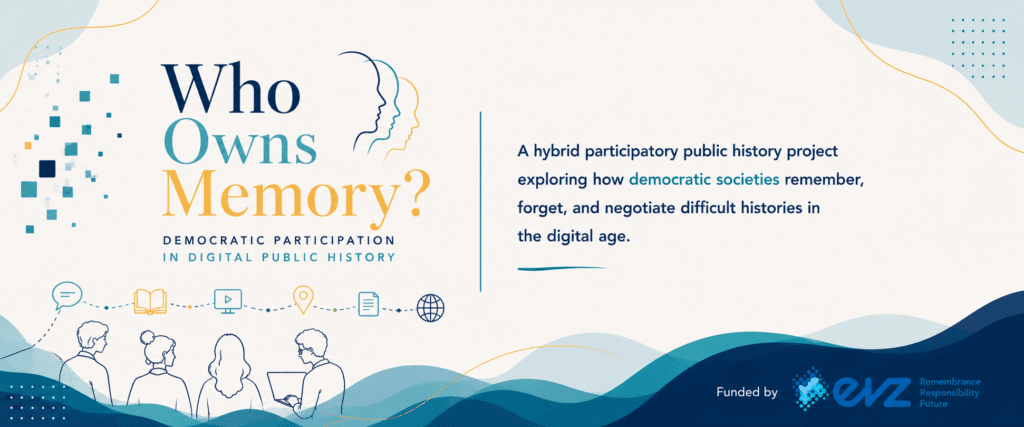
Participants are expected to move from a broad historical interest to a small, focused, evidence-based and ethically responsible digital public-history story. Selected projects may become part of the programme’s collective online exhibition.
The programme connects closely with Dr. Chowdhury’s research and teaching on digital publics, social movements, political representation, contested histories and digital culture in Bangladesh, as well as his work in photography and visual storytelling.
His particular interest within the programme lies in examining how places, photographs, archives, testimonies and digital platforms shape collective memory, and how relations of power influence which narratives become visible, authoritative, marginalised or forgotten.
A central question guiding this engagement is:
Who gets to decide what is remembered—and what is forgotten?
Participation in Who Owns Memory? also offers an opportunity to bring perspectives from Bangladesh and the wider Global South into an international conversation on memory, democracy, public history and digital storytelling.
Following completion of the programme, Dr. Chowdhury also plans to share the methods and approaches developed through the programme with colleagues and researchers through future academic and research-engagement activities.
Programme Information
Programme: Who Owns Memory? Democratic Participation in Digital Public History
Duration: August–October 2026
Format: International online programme
Funding: Foundation Remembrance, Responsibility and Future (EVZ Foundation)
Scientific Coordinator & Project Lead: Dr Marina Bantiou
Website: www.whoownsmemory.org
Areas of Connection
Digital Anthropology • Public History • Memory Studies • Digital Storytelling • Social Movements • Political Anthropology • Visual Anthropology • Photography • Democracy • Digital Public Sphere
Research & Projects
A selection of my ongoing research, teaching, and collaborative projects across anthropology, digital culture, and South Asia.
Research Engagement
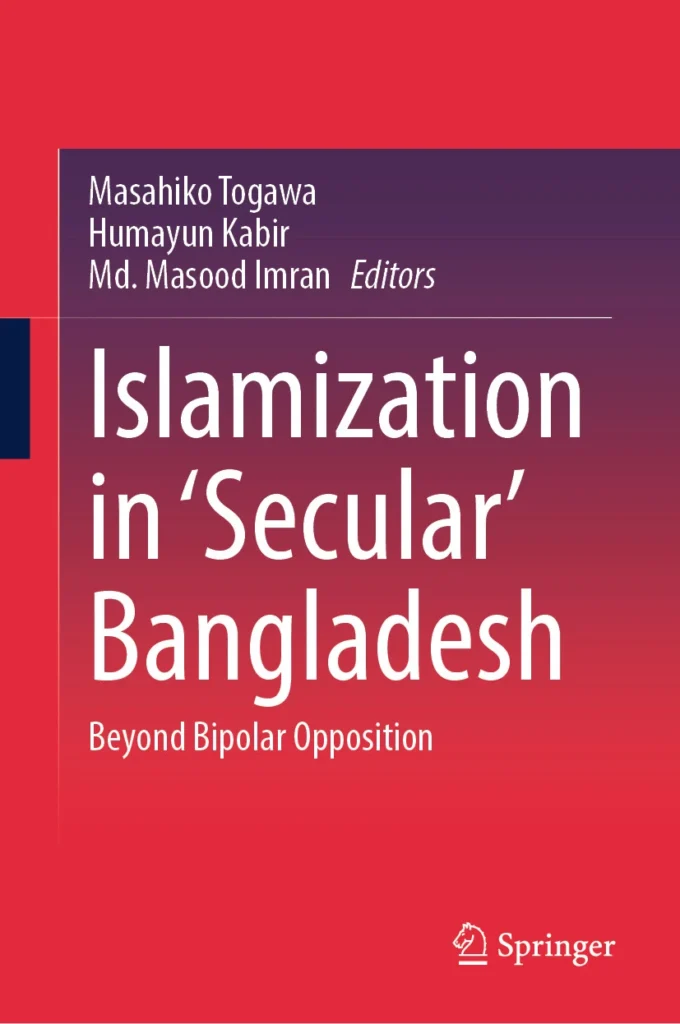
Springer Book Launch: Islamization in ‘Secular’ Bangladesh: Beyond Bipolar Opposition
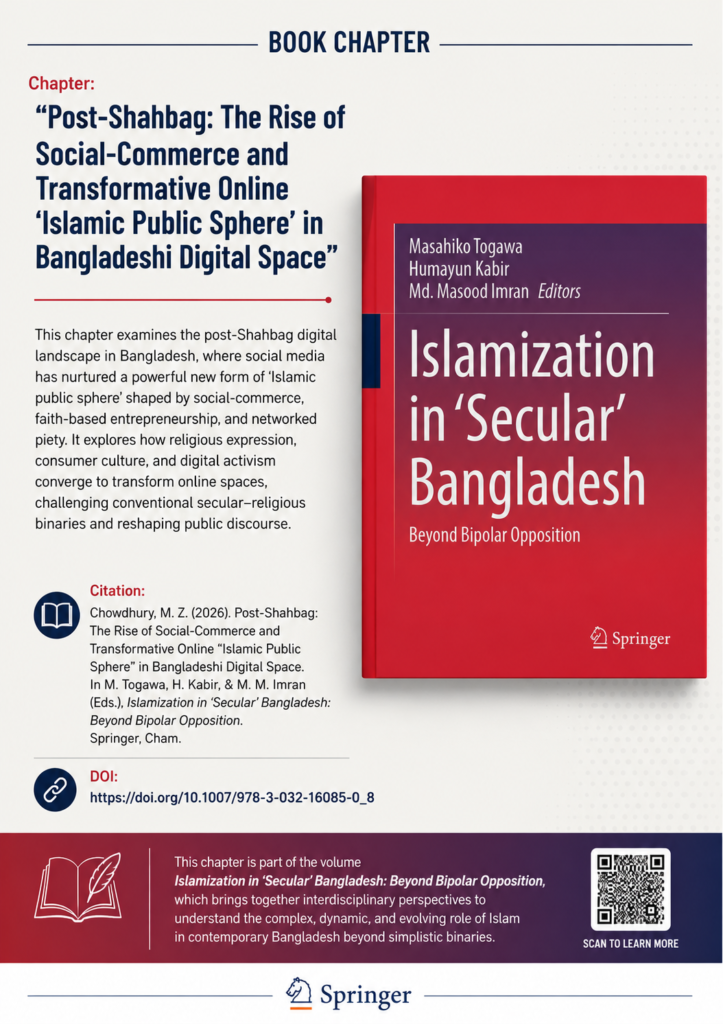
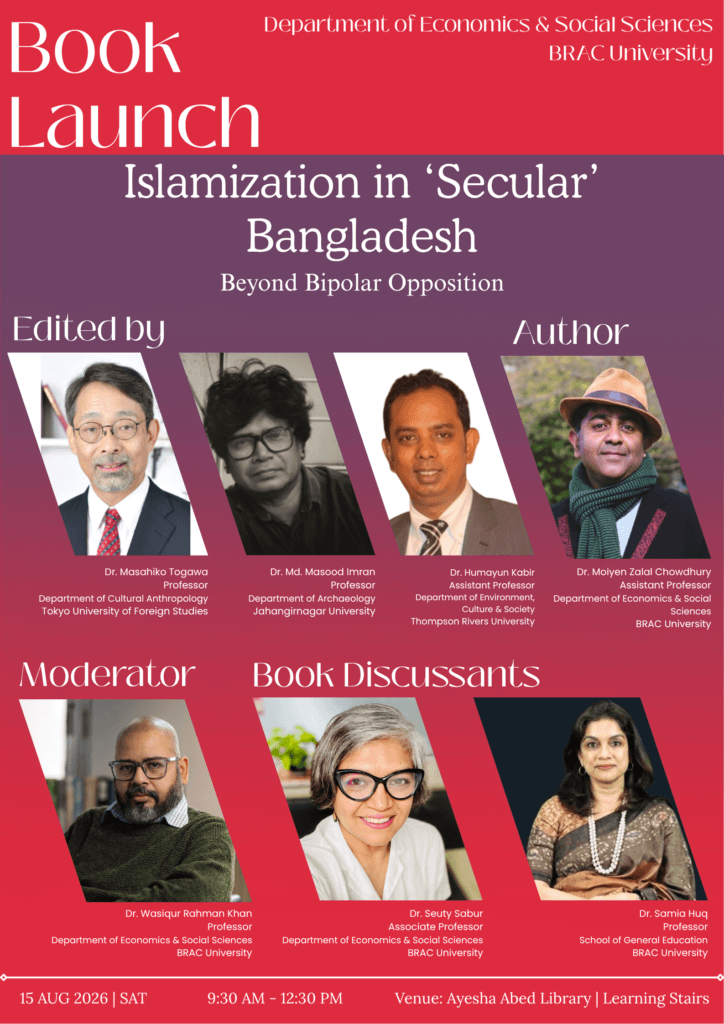
On 15 August 2026, the Department of Economics & Social Sciences at BRAC University will host the launch of the Springer volume Islamization in ‘Secular’ Bangladesh: Beyond Bipolar Opposition.
Edited by Masahiko Togawa, Md. Masood Imran, and Humayun Kabir, the volume brings together scholarship examining Islamization, religion, public culture, identity, and social transformation in Bangladesh beyond the conventional opposition between the “secular” and the “Islamic.”
I contributed the chapter:
“Post-Shahbag: The Rise of Social-Commerce and Transformative Online ‘Islamic Public Sphere’ in Bangladeshi Digital Space”
The chapter examines transformations in Bangladesh’s digital public sphere in the years following the Shahbag movement. It particularly explores the intersections of social media, Islamic discourse, social commerce, entrepreneurship, digital consumption, identity, and everyday religious sociality.
Rather than treating online religion, digital commerce, and political communication as separate domains, the chapter asks how their increasing convergence may be reshaping the character of Bangladesh’s public sphere itself.
The book launch will provide an opportunity to discuss these questions within a wider conversation about contemporary Bangladesh, religion, digital cultures, and social change.
Editors
Dr. Masahiko Togawa
Professor, Department of Cultural Anthropology
Tokyo University of Foreign Studies
Dr. Md. Masood Imran
Professor, Department of Archaeology
Jahangirnagar University
Dr. Humayun Kabir
Assistant Professor, Department of Environment, Culture & Society
Thompson Rivers University
Moderator
Dr. Wasiqur Rahman Khan
Professor, Department of Economics & Social Sciences
BRAC University
Book Discussants
Dr. Seuty Sabur
Associate Professor, Department of Economics & Social Sciences
BRAC University
Dr. Samia Huq
Professor, School of General Education
BRAC University
Event Details
Date: Saturday, 15 August 2026
Time: 9:30 AM–12:30 PM
Venue: Ayesha Abed Library | Learning Stairs, BRAC University
The event is open to colleagues, students, researchers, journalists, and members of the wider academic community interested in Bangladesh, anthropology, religion, digital cultures, social media, public spheres, and contemporary social transformation.
Facebook Event:
https://www.facebook.com/share/18LGkFpE6f/
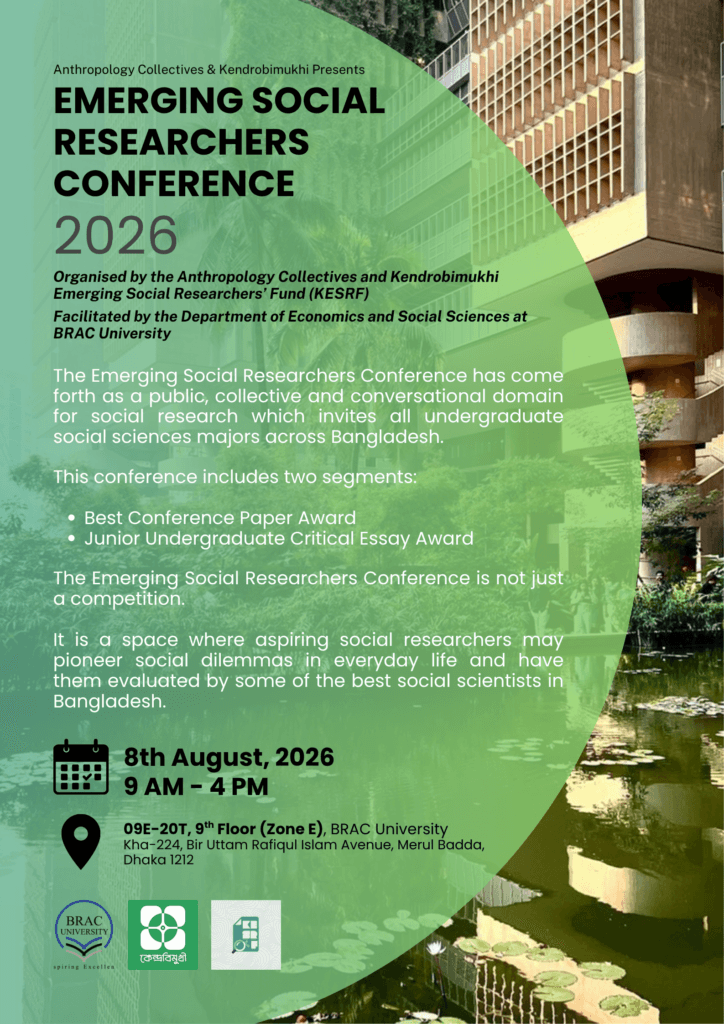
Emerging Social Researchers Conference 2026
Panelist & Discussant — Language, Media, and the Politics of Representation
8 August 2026 · BRAC University, Dhaka
Conference Presentation at ICON LATERALS VI
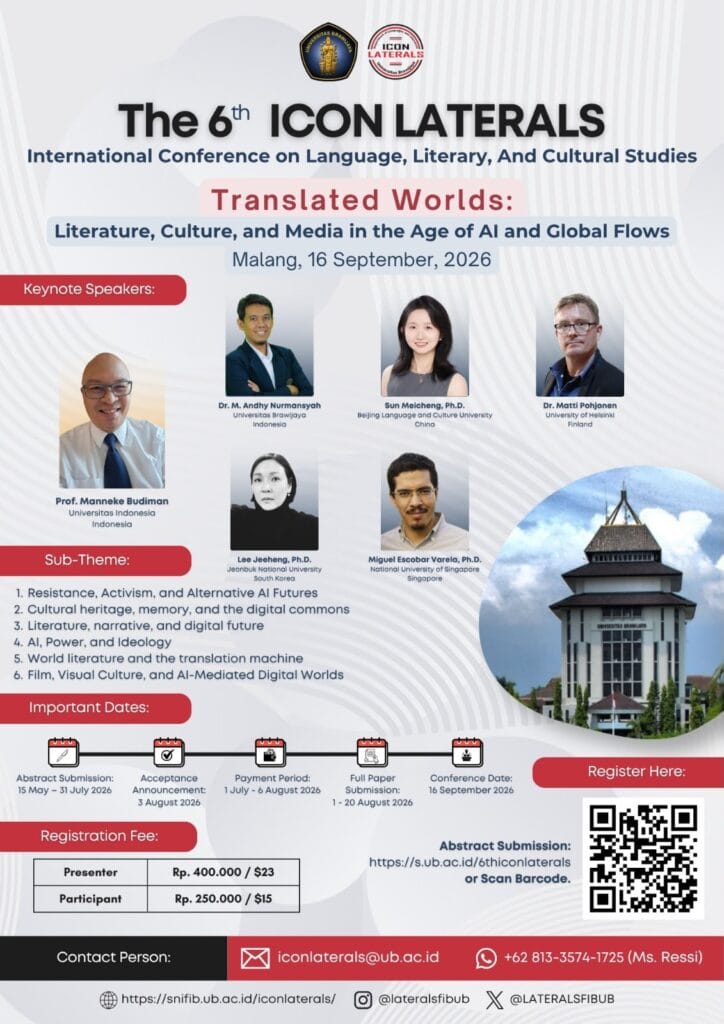
Dr. Moiyen Zalal Chowdhury’s paper, “Resistance in Translation: AI, Platform Governance, and Digital Publics from Shahbag to Bangladesh’s July 2024 Uprising,” has been accepted for presentation at the International Conference on Language, Literary, and Cultural Studies VI (ICON LATERALS VI).
The conference will be hosted by the Faculty of Cultural Studies, Universitas Brawijaya, Indonesia, on 16 September 2026.
The paper brings together two significant moments in Bangladesh’s recent political history: the 2013 Shahbag movement, which formed the basis of Dr. Chowdhury’s doctoral research, and the July 2024 uprising. It examines how digital resistance has evolved as public communication has moved from blogs and comparatively decentralized online networks towards increasingly platform-governed and algorithmically mediated environments.
In the paper, “translation” extends beyond movement between Bangla and English. It also describes how political expression travels between streets and screens, testimony and data, local grievances and transnational narratives. The analysis considers how platforms and AI-related infrastructures amplify, reformulate, classify, or obscure political voices.
The paper extends Dr. Chowdhury’s concept of “resistance sociality” into the contemporary technological and political environment. It contributes to his continuing research on digital anthropology, social movements, digital publics, platform governance, and political communication in Bangladesh.
Digital Precarity & Online Labor
Exploring gig work, platforms and algorithms shaping uncertain lives, labour, and survival in South Asia and beyond.
The July Revolution 2024
Ethnographic work on youth, social media, and state response during the July 2024 Revolution in Bangladesh.
OTT-Based Digital Sociality
An ethnographic inquiry into how streaming platforms reshape everyday life, intimacy, and imagination among urban youth.
Photography
A glimpse into my visual storytelling — exploring cities, people, moments, and the quiet poetry of everyday life across Bangladesh, Japan, and beyond.
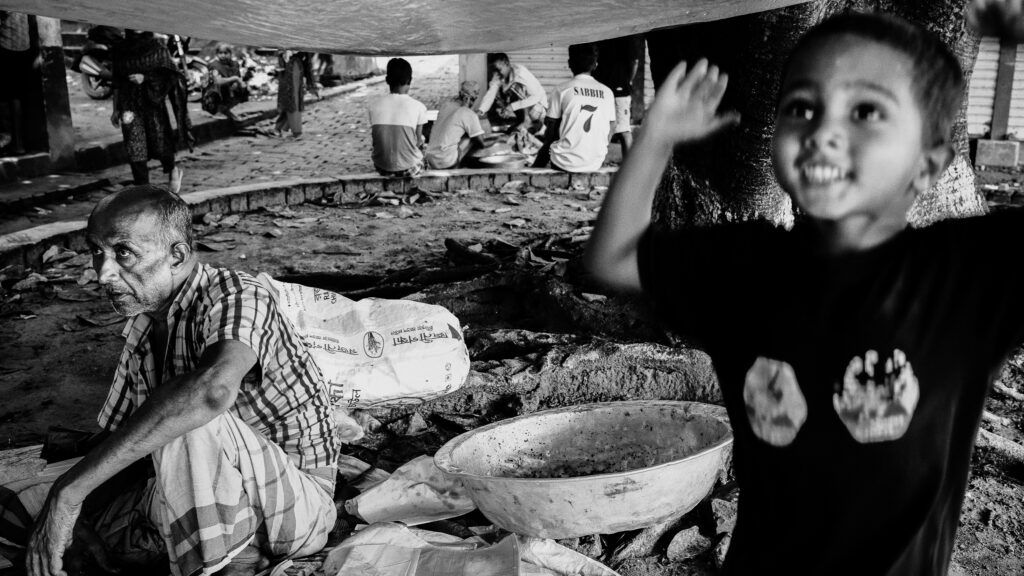
People at the Centre
Faces, movements, and ordinary intimacies that speak louder than words.
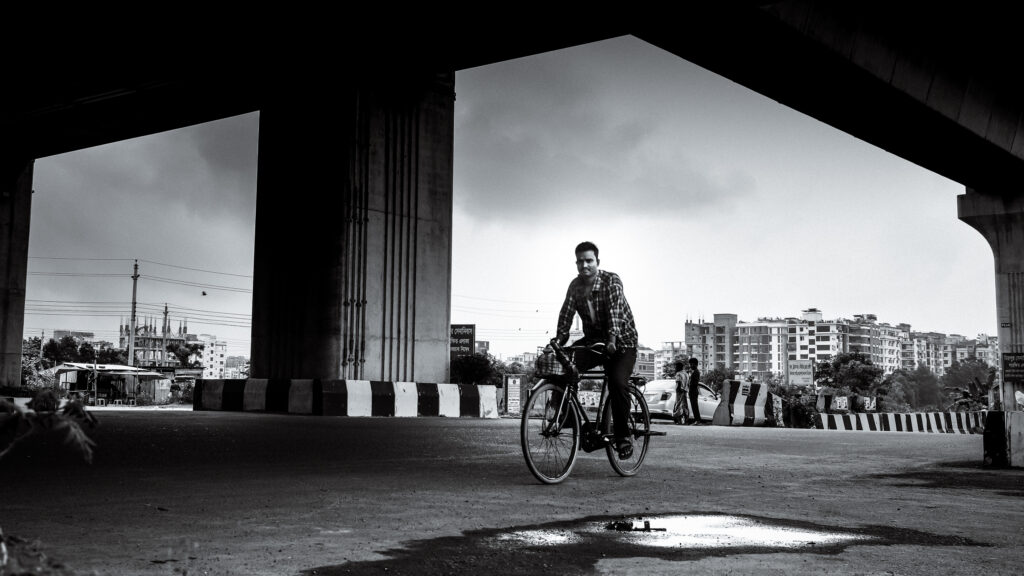
Dhaka: Urban Life & Light
Capturing motion, chaos, beauty, and the layered rhythms of the city.

Japan: Stillness & Seasons
Quiet landscapes, rituals, and moments from a place that shaped my academic journey.
Writing
Essays, reflections, and fragments from my notebooks — exploring memory, media, culture, and everyday life.
Essays
Long form reflections on culture, politics, media, and the everyday.
Notebook
Short thoughts, fragments, field notes, and creative micro-essays.
Creative Writing
Stories, flash fiction, and poetry written across different moments of my life.
Teaching
As an educator, I see teaching as a shared space of curiosity, dialogue, and critical imagination. My classrooms blend anthropology, media, and lived experience—encouraging students to think critically, listen deeply, and see the world with empathy.
Courses I Teach
ANT 101 – Introduction to Anthropology
ANT 211 – Anthropology of Social Media
ANT 301 – Contemporary Anthropological Thought
ANT 302 – Contemporary Issues in Anthropology
ANT 311 – Anthropology of Social Movements
I also offer special lectures and workshops on digital culture, social movements, and media ethnography.
Supervision & Mentoring
I supervise undergraduate theses and independent projects on digital culture, social media activism, environmental anthropology, misinformation, gender, religious practice, and contemporary South Asia.
I enjoy supporting students as they develop their own research questions, voices, and pathways—inside and beyond the university.
BOOKS
Books, chapters, and long-form works exploring digital culture, social movements, media, and everyday life.
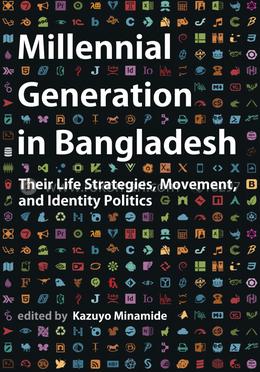
Millennial Generation in Bangladesh Their Life Strategies, Movement, and Identity Politics
2022 Book Chapter, Chowdhury, Moiyen Zalal (2022) The Resistance Sociality of the Shahbag Movement: The Role of Urban Youth as Online Activists in Minamide K. (Eds.) Millennial Generation in Bangladesh: Their Life Strategies, Movement, and Identity Politics. Dhaka. UPL.
“Post-Shahbag: The Rise of Social-Commerce and Transformative Online ‘Islamic Public Sphere’ in Bangladeshi Digital Space”
The chapter explores how the post-Shahbag digital landscape in Bangladesh transformed through the rise of social commerce, platform-based religious performances, online entrepreneurs, algorithmic visibility, and new forms of Islamic sociality emerging within Facebook-centered digital culture.
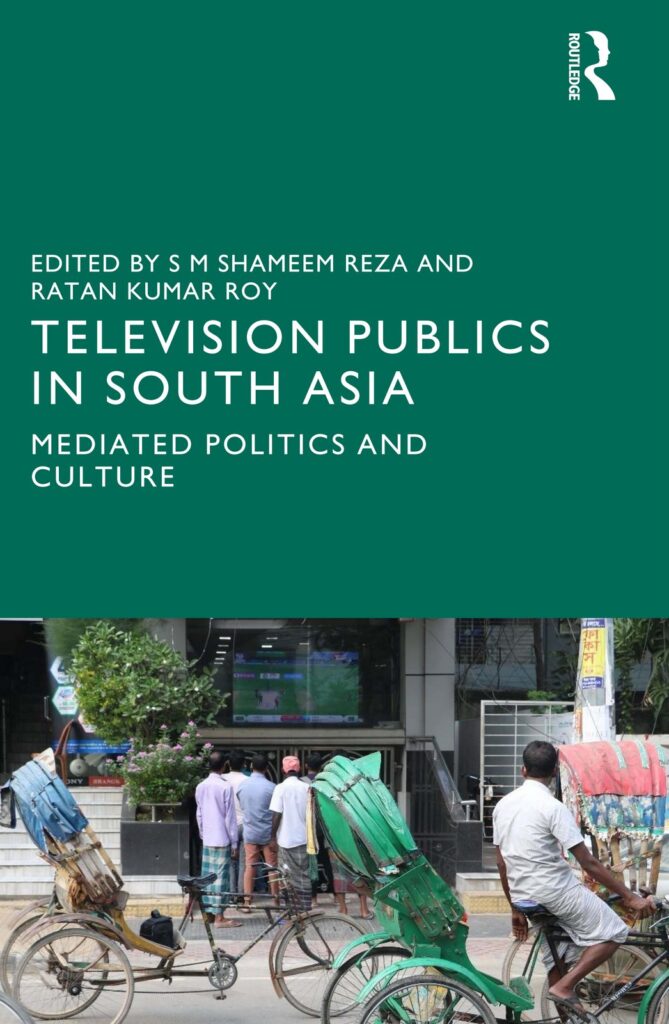
Television Publics in South Asia Mediated Politics and Culture
2023 Book Chapter, Chowdhury, Moiyen Zalal (2023) OTT-based Digital Sociality: An exploration of the viewership among Urban Youth in Bangladesh in Reza S. S. M, & Roy R. K. (Eds.) Television Publics in South Asia Mediated Politics and Culture. Delhi. Routledge.
COMING SOON
Book Chapter, Chowdhury, Moiyen Zalal. Post-Shahbag: The Rise of F-Commerce and Transformative Online “Islamic Public Sphere” in Bangladeshi Digital Space in Togawa Mashahiko (Eds.) Social Transformation and Multipolarization of Muslim Societies in South Asia: Toward an Integrated Understanding of Structural Change and Islamism in Bangladesh. Springer.
CONTACT
For academic inquiries, collaborations, photography projects, media interviews, or student communication — feel free to reach out.
SOCIAL MEDIA & DIGITAL PRESENCE
Where research, photography, writing, and everyday reflections meet the public.
I create and curate stories across multiple platforms — blending critical insight, visual
narratives, and a distinct online voice.
Sharat chowdhury — Since 2006
Pioneering blogger • First-generation social media editor • NORAD scholar • Early predictor of Shahbag • MEXT-funded researcher of Shahbag • Public writer • Photographic storyteller
I began writing online in 2006 as “Sharatchowdhury,” (শরৎ চৌধুুরী aka অন্যমনষ্ক শরৎ) becoming one of the early and influential voices of Bangladesh’s pioneering blogging era on Somewhereinblog.net.
For four years, I worked as one of the first-generation social media editors of the
platform—curating conversations, moderating communities, and helping shape one of
the earliest digital public spheres in the country.
As a NORAD scholar, I conducted one of Bangladesh’s first academic investigations into
emerging online civic engagement: “The Internet as a Public Sphere: Blogging ‘Liberation
War vs Jamaat’ Issue in Somewhereinblog — A Case Study.” Completed on 25 June 2012,
this research identified new forms of online activism and collective sentiment—patterns
that accurately anticipated the Shahbag movement that erupted on 5 February 2013.
This early foundation informed my doctoral research as a MEXT scholar at Hiroshima University.
My PhD dissertation, “Resistance Sociality in the Shahbag Movement: A Critical Understanding
of Social Media, Sociality and Resistance in Bangladesh” (2019), offers a deep ethnographic
account of how digital platforms, affect, and collective memory shaped one of the defining
social movements of contemporary Bangladesh.
That early voice continues—now evolving through research, photography, social media
analysis, teaching, and public writing.
🎓 My research on blogging and online debates (completed 25 June 2012) identified the patterns of rising digital activism that later unfolded as the Shahbag movement in February 2013 and later became the focus of my MEXT-funded PhD research.
Follow me for ongoing work, stories, research updates, and visual narratives.