Learning to Sit Still: Tea Ceremony, Memory, and Photography in Japan
A Visual Anthropology Memoir from Hiroshima
Drawing on photographs made during his years as an international student in Hiroshima, anthropologist and photographer Dr. Moiyen Zalal Chowdhury reflects on Japanese tea ceremony, ritual, memory, visual culture, and the importance of attention in the age of AI.
Returning to a Bowl of Tea
Recently, while revisiting old hard drives, I came across a small collection of photographs from my years in Japan.
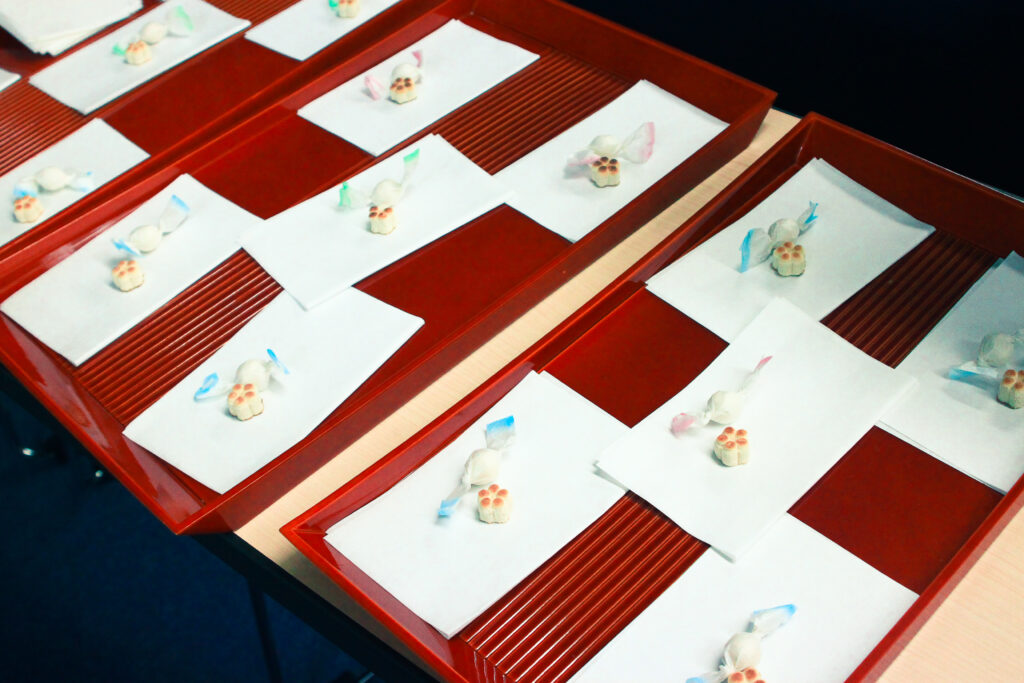
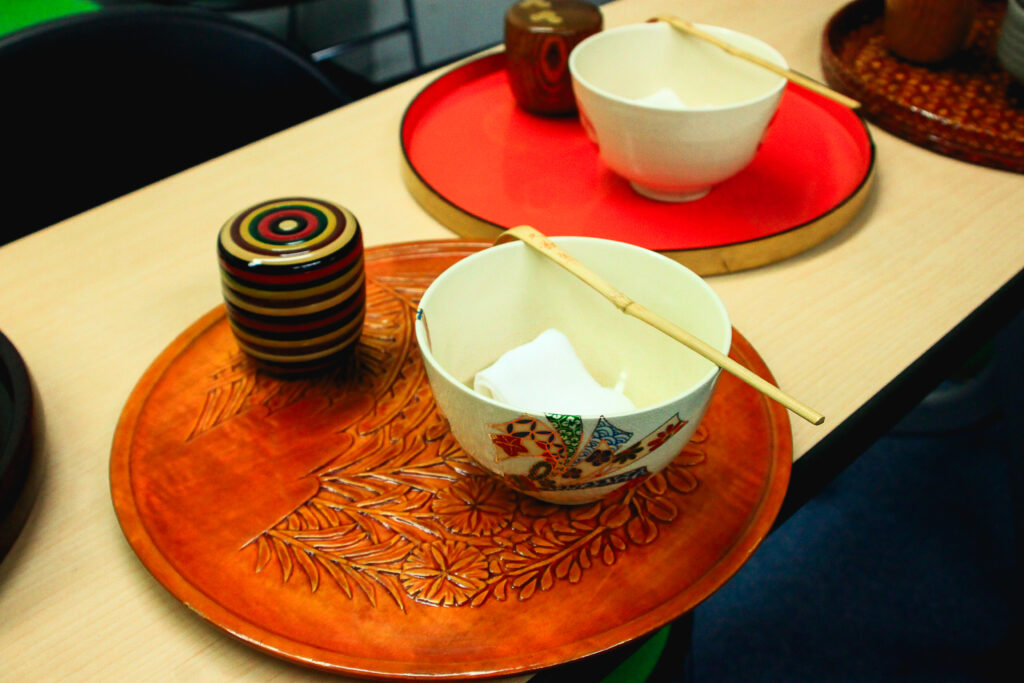
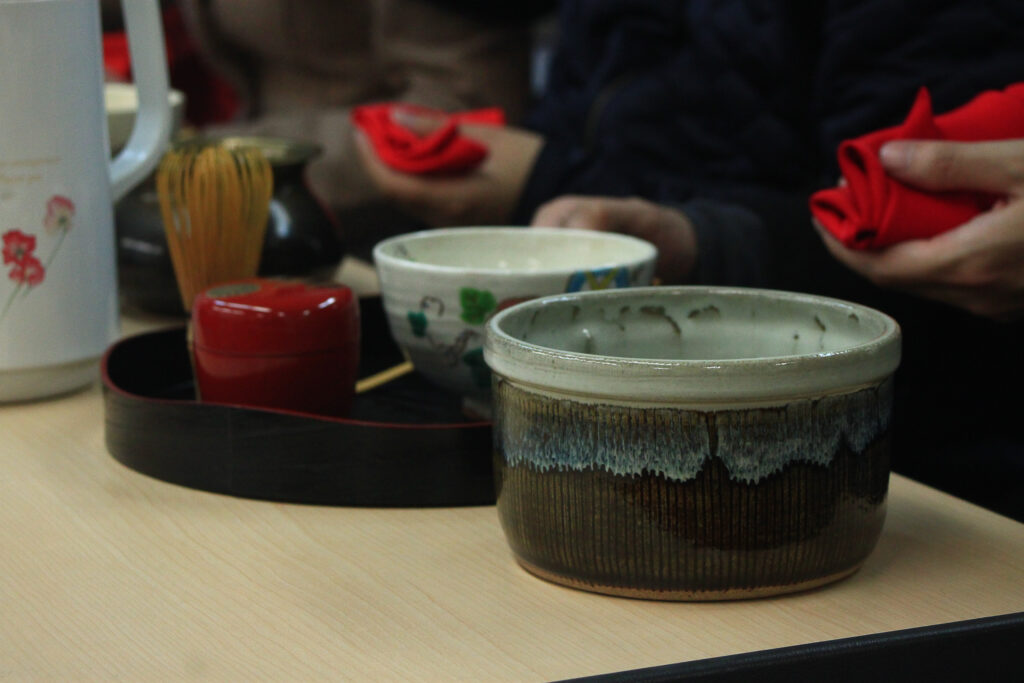
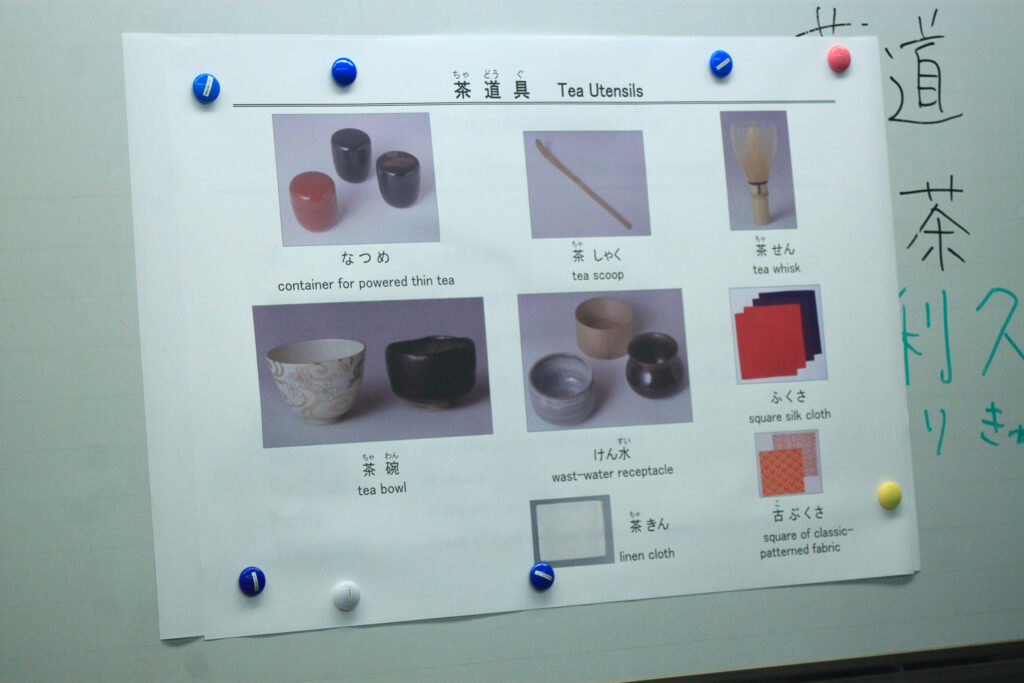
Among thousands of images—train stations, mountain roads, temples, classrooms, festivals, friends, and landscapes—these photographs appeared almost insignificant. A tea bowl resting on a tatami mat. A bamboo whisk. A folded cloth. A room filled with quiet concentration.
Nothing dramatic.
Nothing spectacular.
Yet I found myself returning to them again and again.
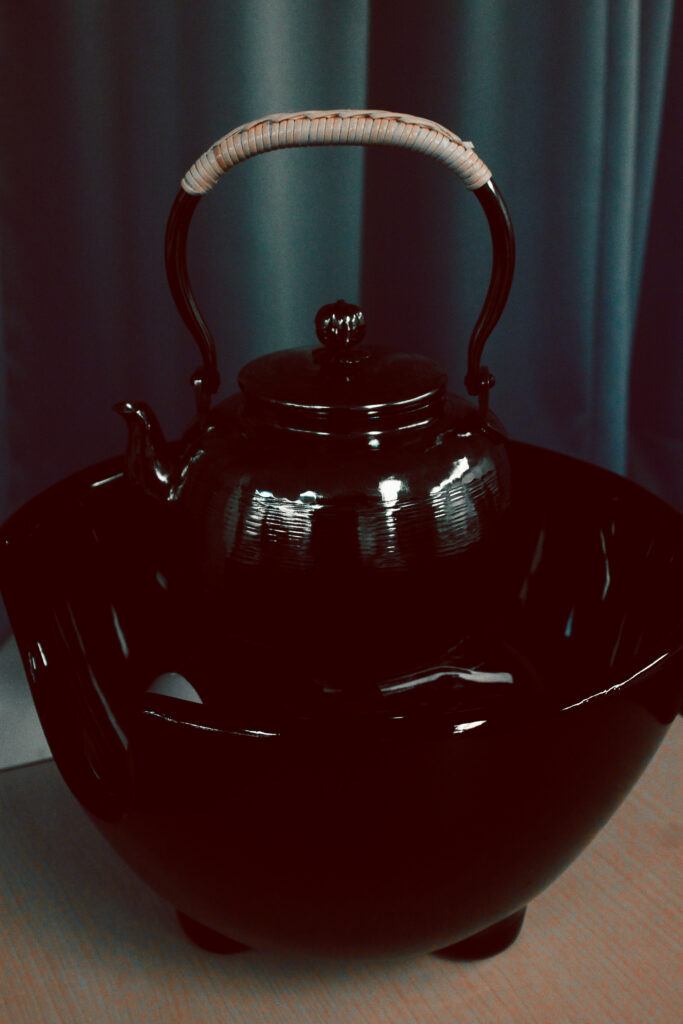
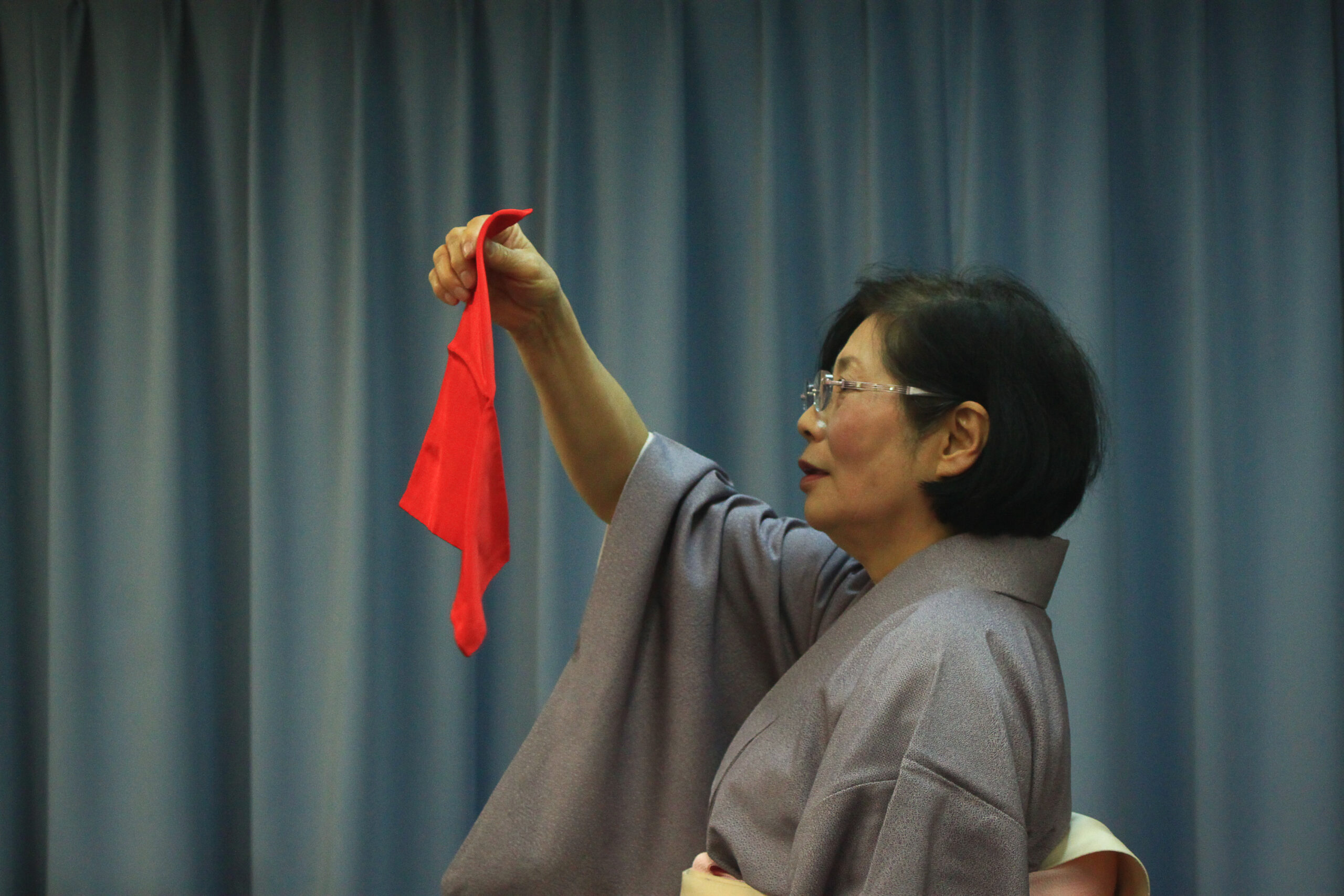
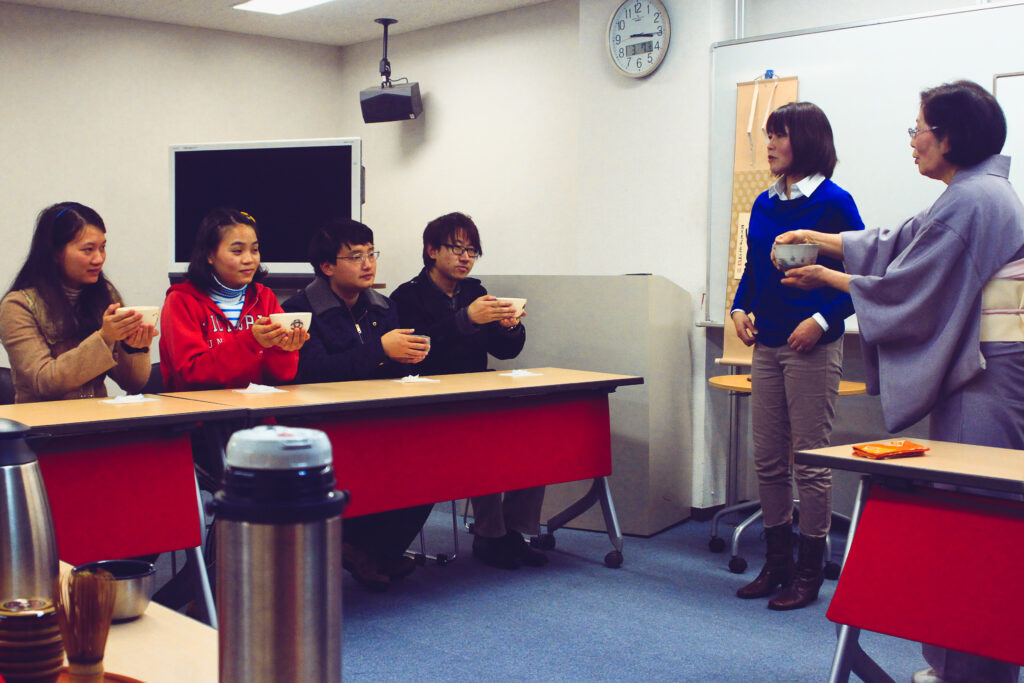
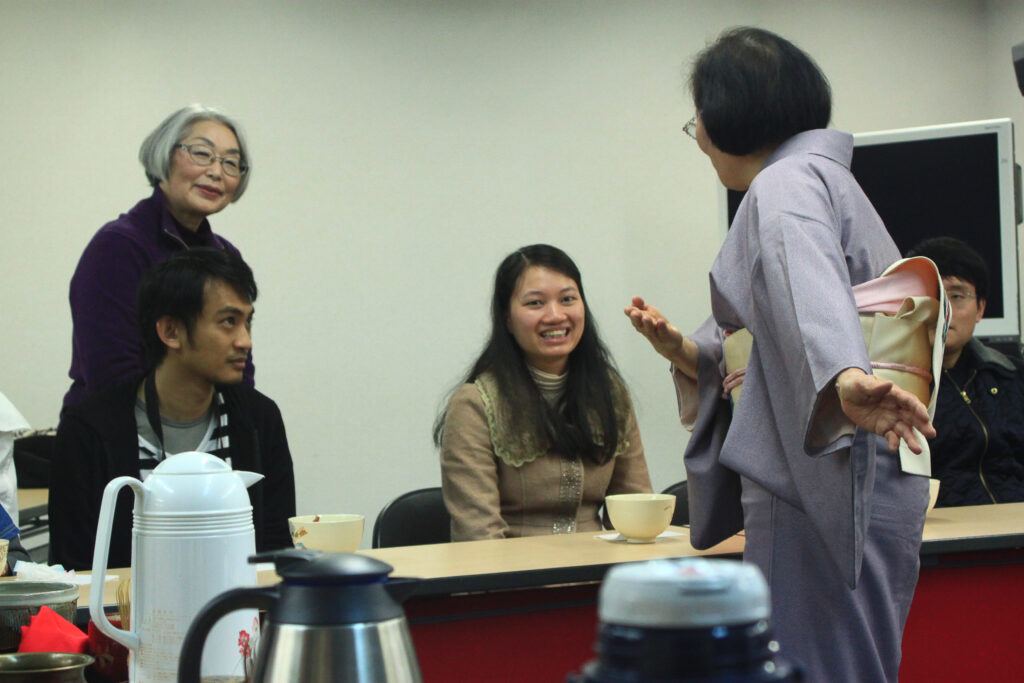
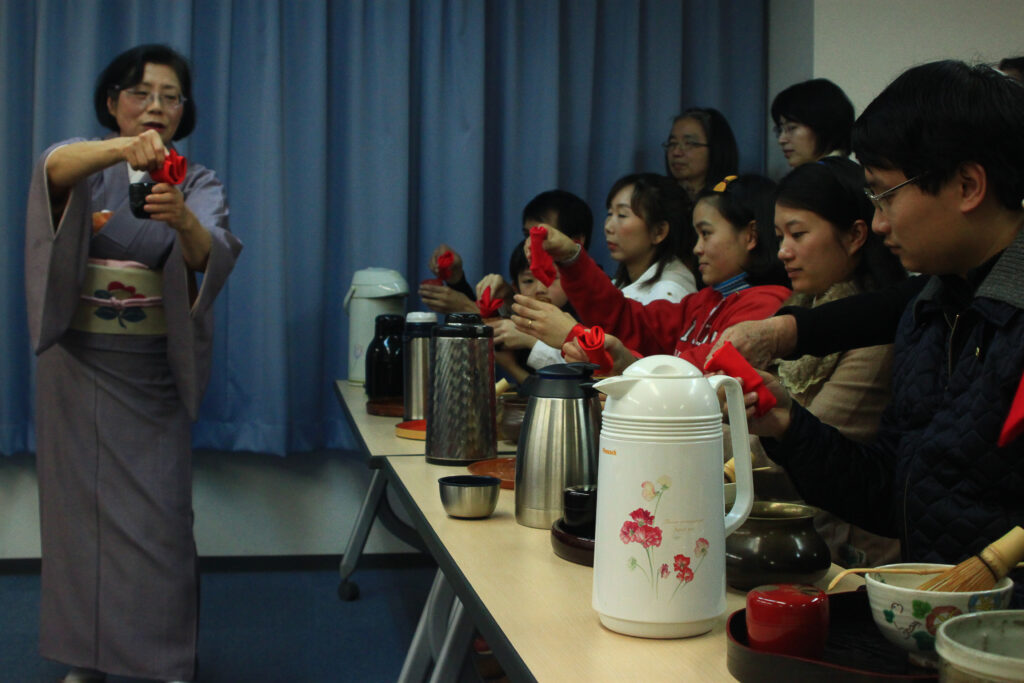
The photographs were made more than a decade ago during a Japanese tea ceremony workshop in Hiroshima. At the time, I was a graduate student trying to understand a new society, a new language, and a new way of life. Like many international students, I carried a camera almost everywhere. Photography became a way of making sense of unfamiliar surroundings. The camera allowed me to observe, remember, and slowly build a relationship with the world around me.
What I could not have known then was that these photographs would one day become more than records of an event.
They would become an archive of learning.
Looking at them today, I realize that they preserve not only a cultural activity but also a particular moment in my own intellectual and personal journey. They remind me of a time when I was beginning to understand that culture is often communicated through things that are easy to overlook: gestures, objects, silences, rhythms, and ways of paying attention.
The tea ceremony was one of those lessons.
At the time, I thought I was learning about tea.
Years later, I realized that I had been learning about attention.
Sun Square and the International Student World
When these photographs were made, I was living in Sun Square, a residence in Hiroshima that housed students from around the world.
The building was a remarkable place.
For many of us, it was our first experience of living in a truly international community. Languages mixed in elevators and hallways. Kitchens became sites of cultural exchange. Conversations moved effortlessly between countries, histories, and futures.
The ground floor housed an International Student Support Center. Throughout the year, the center organized various cultural activities intended to introduce international students to different aspects of Japanese society.
Some activities focused on language.
Others focused on local customs.
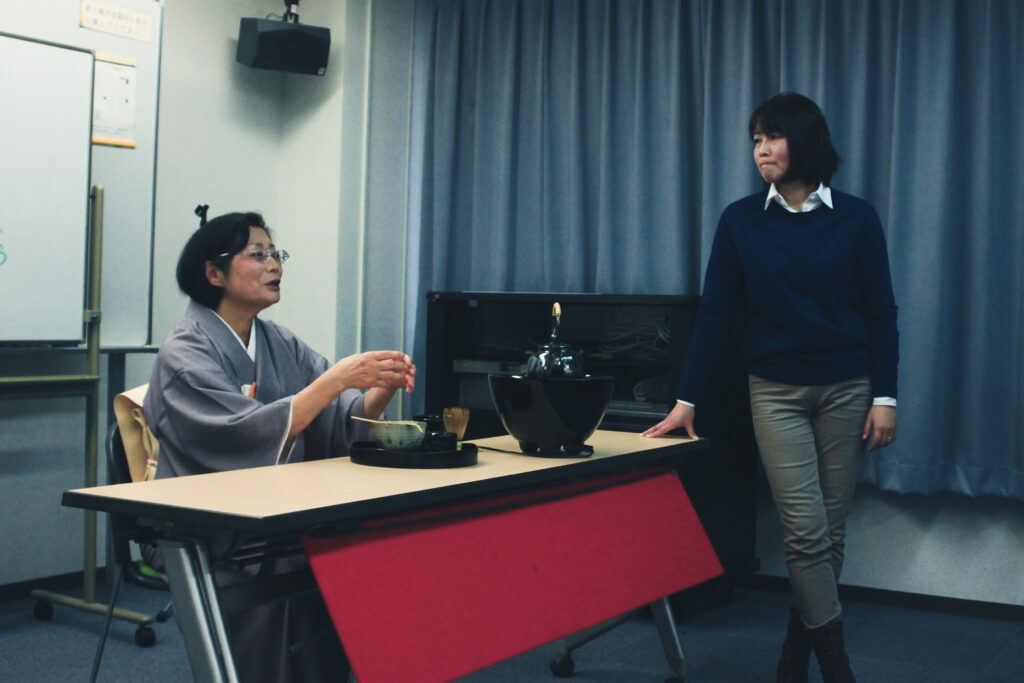
Among them was a workshop on the Japanese tea ceremony.
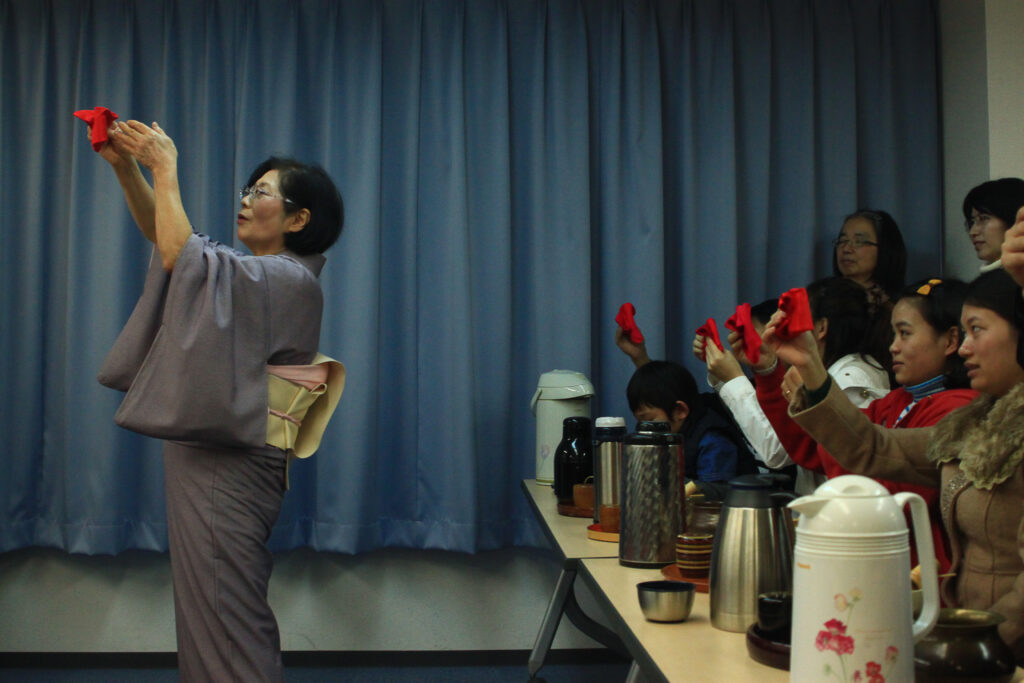
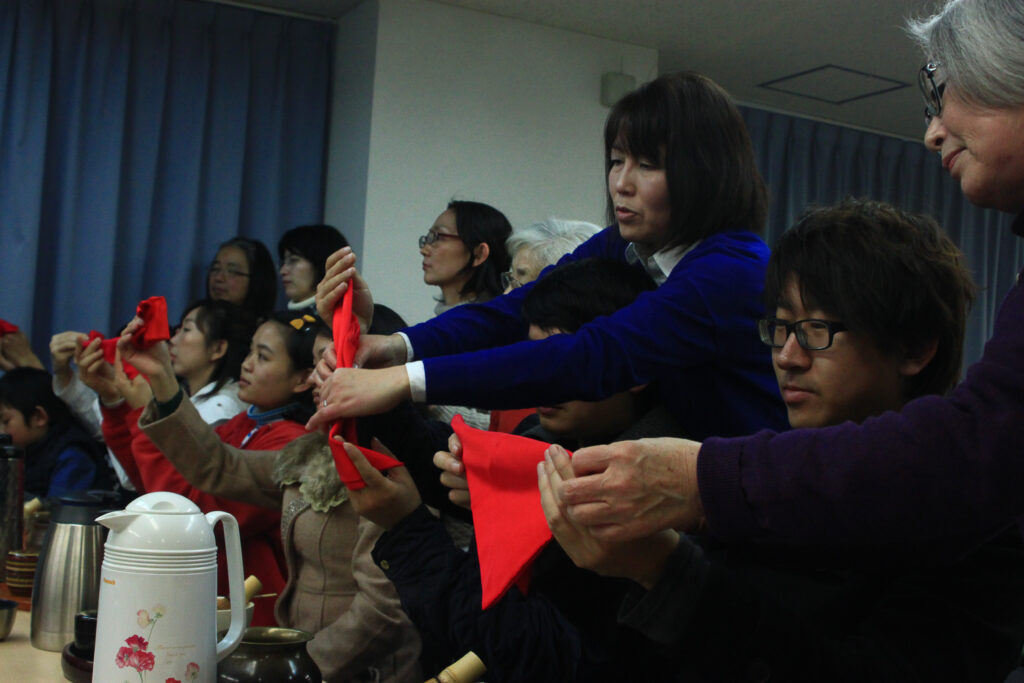
Looking back, I realize that these events served a purpose beyond cultural education. They provided opportunities for participation. They allowed international students not merely to observe Japanese culture from a distance but to experience it through practice.
Anthropologists have long argued that understanding emerges through participation rather than observation alone. The tea ceremony offered precisely such an opportunity.
We were not spectators.
We were participants.
And participation changed everything.
Entering the Tea Room
Before the tea was served, the room itself began teaching.
The space appeared almost empty.
Compared to the visual density of modern urban life, its simplicity was striking. There were few objects. Few distractions. Few demands on attention.
Tatami mats covered the floor.
A hanging scroll occupied a place of quiet importance.
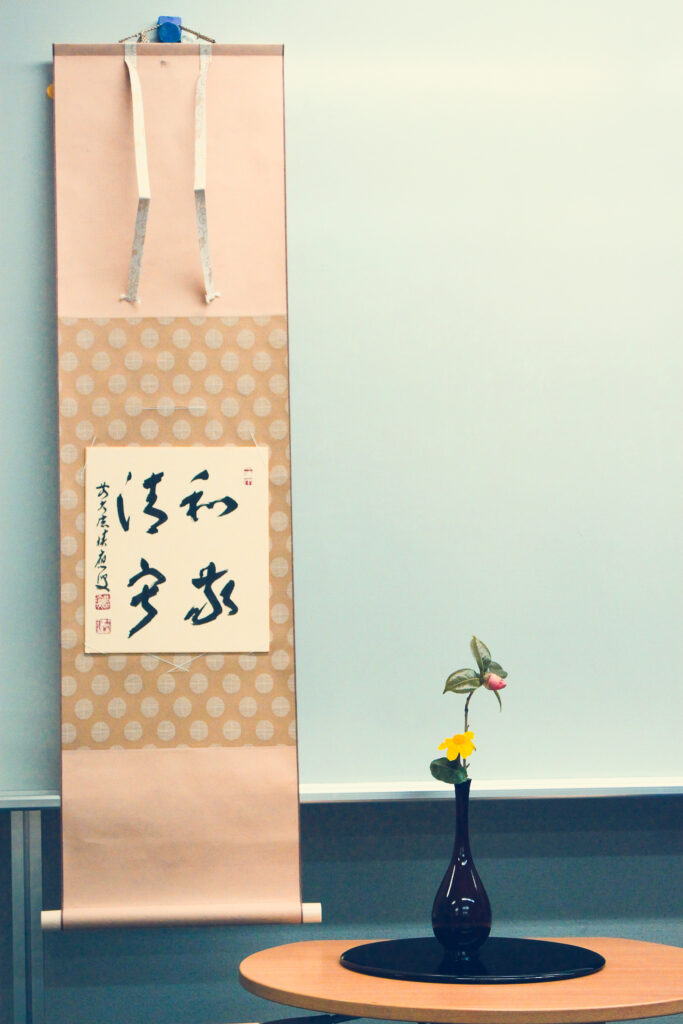
A flower arrangement rested nearby.
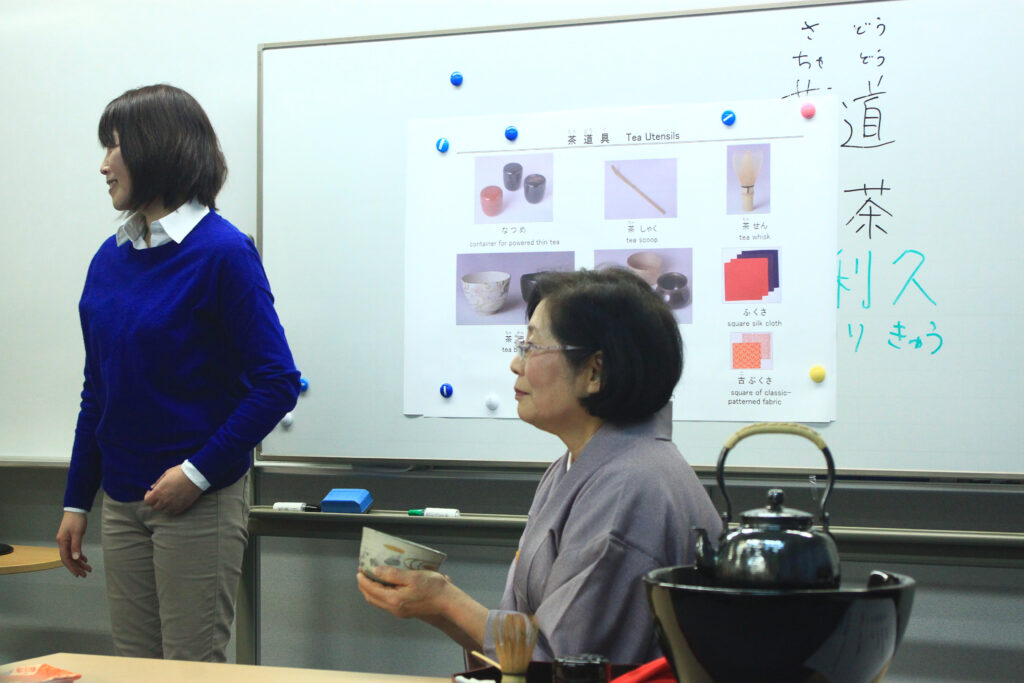
Tea bowls and utensils were arranged with careful precision.
Nothing appeared accidental.
The room seemed to operate according to a different philosophy of space.
Rather than attracting attention through abundance, it directed attention through restraint.
Years later, I would learn more about Japanese aesthetic concepts such as simplicity, impermanence, and the appreciation of subtle beauty. Yet even before I possessed the vocabulary to describe these ideas, I could feel their presence.
The room slowed people down.
It altered the rhythm of perception.
It invited a different way of seeing.
As I look back at my photographs, I notice how frequently my camera gravitated toward small details. The texture of tatami. The curve of a ceramic bowl. The relationship between light and shadow.
Without realizing it, I had already begun documenting an education in attention.
Learning Through the Body
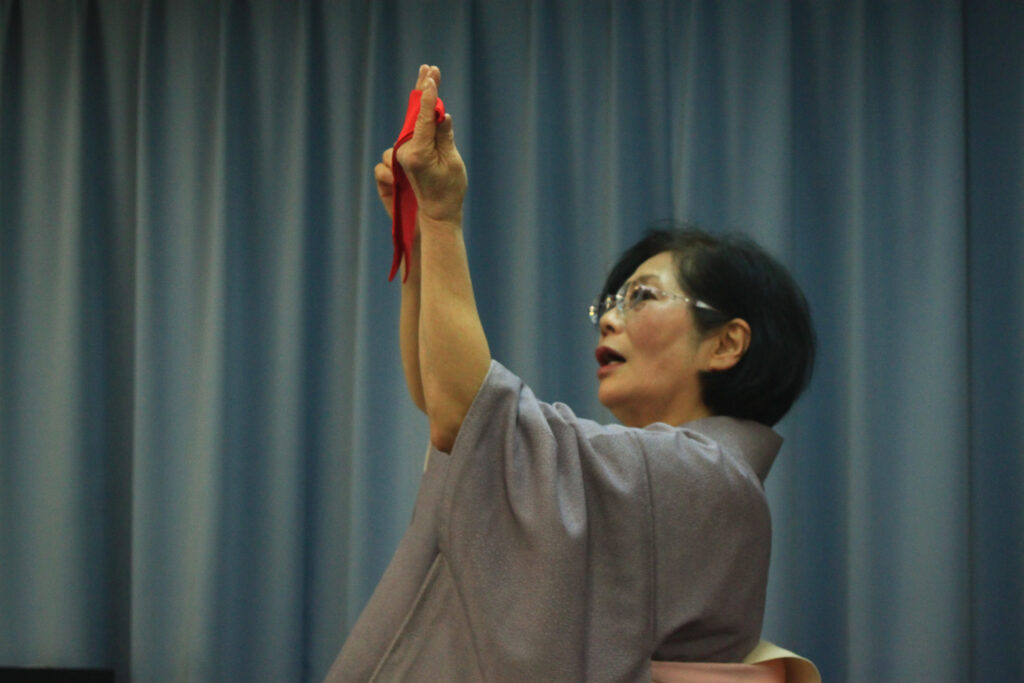
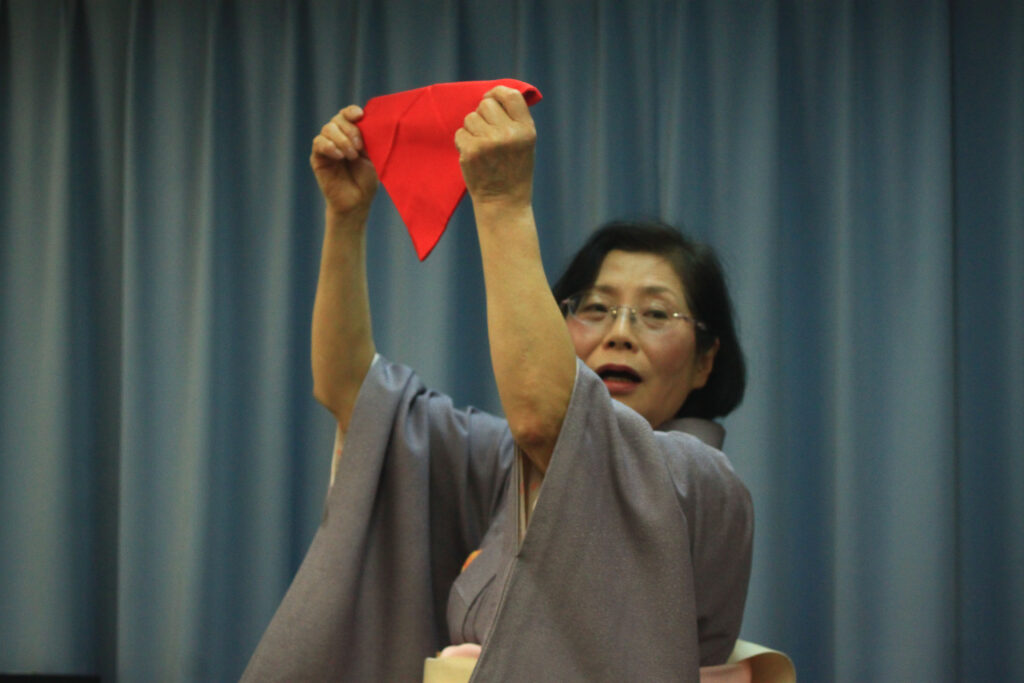
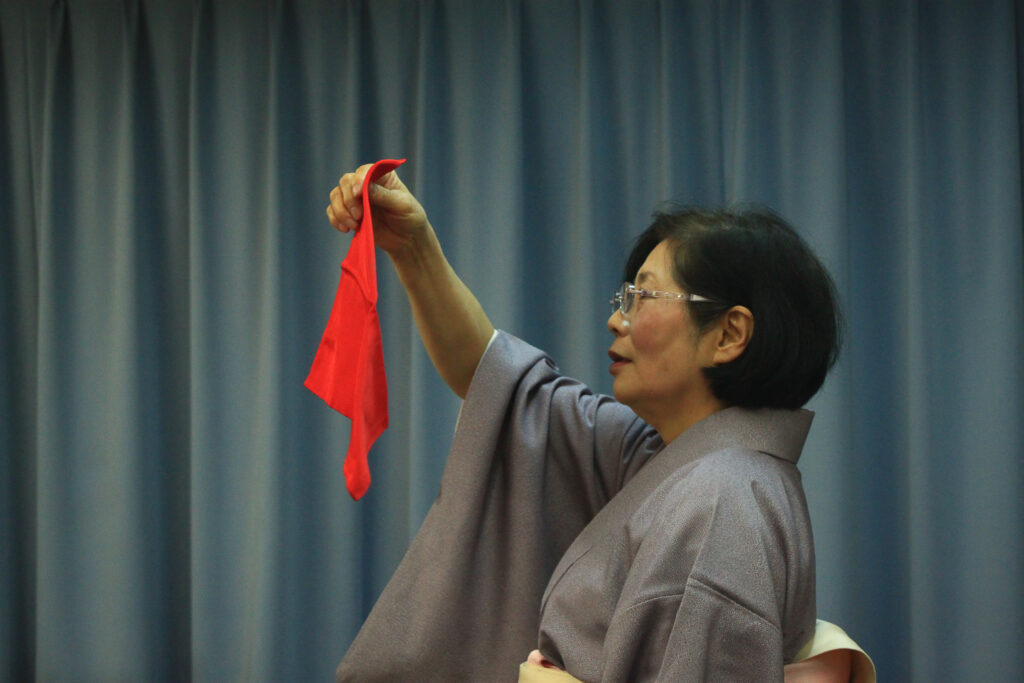
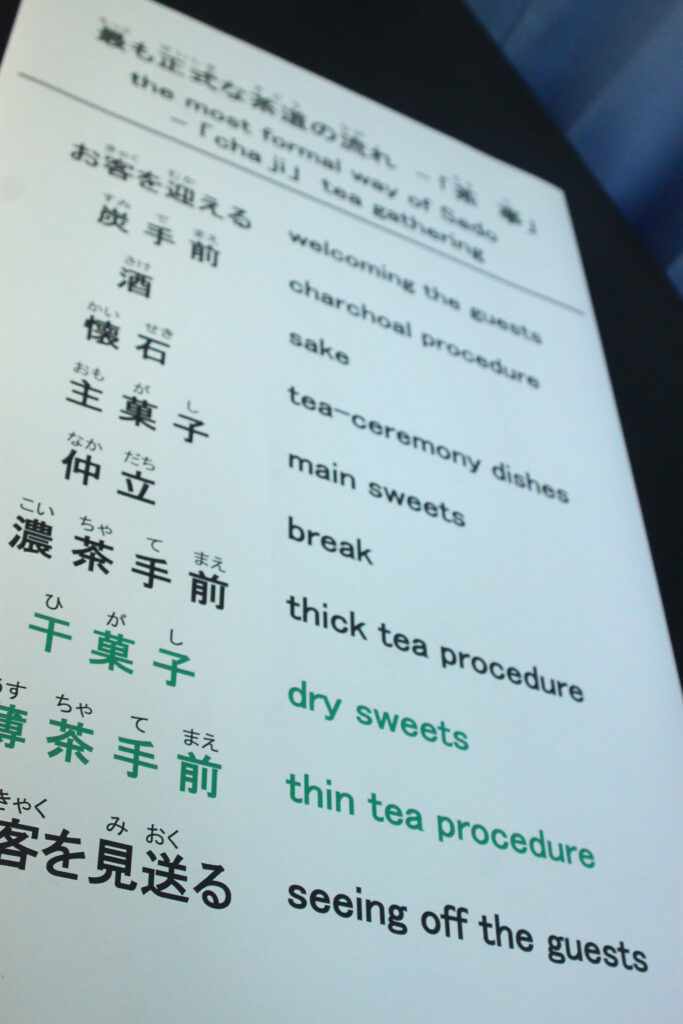
The workshop began with a series of instructions.
How to enter the room.
How to sit.
How to bow.
How to receive the tea bowl.
How to rotate it.
How to drink.
How to return it.
Each action appeared simple.
Yet simplicity proved deceptive.
Every movement carried meaning.
Every gesture communicated respect.
Every sequence reflected a tradition developed over centuries.
As international students, many of us worried about making mistakes. We concentrated intensely on remembering the correct procedures.
Gradually, however, a different realization emerged.
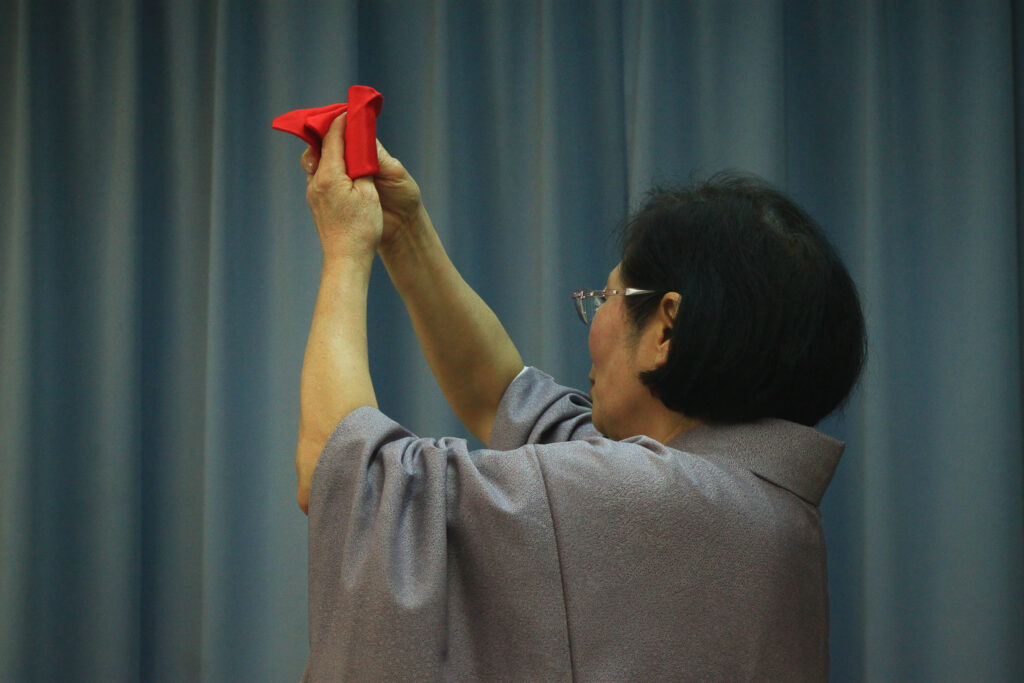
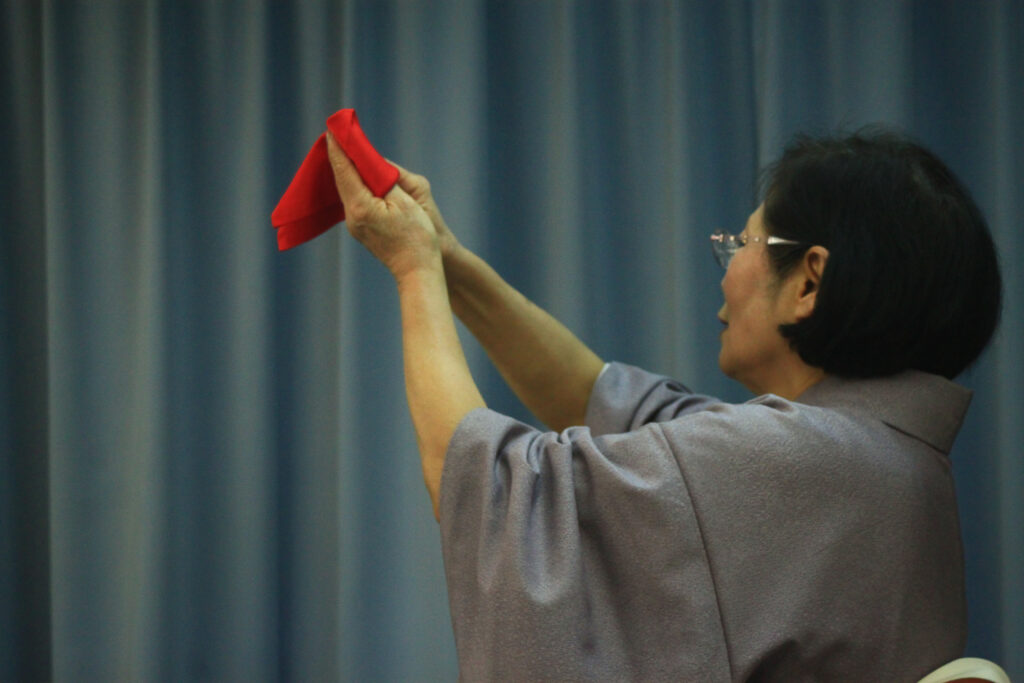
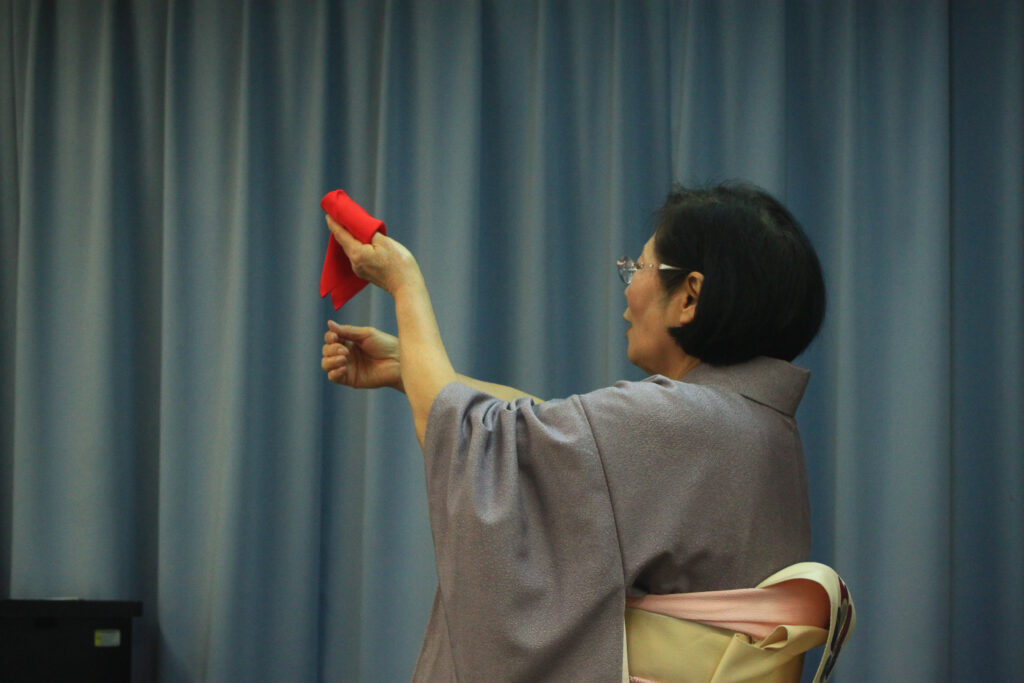
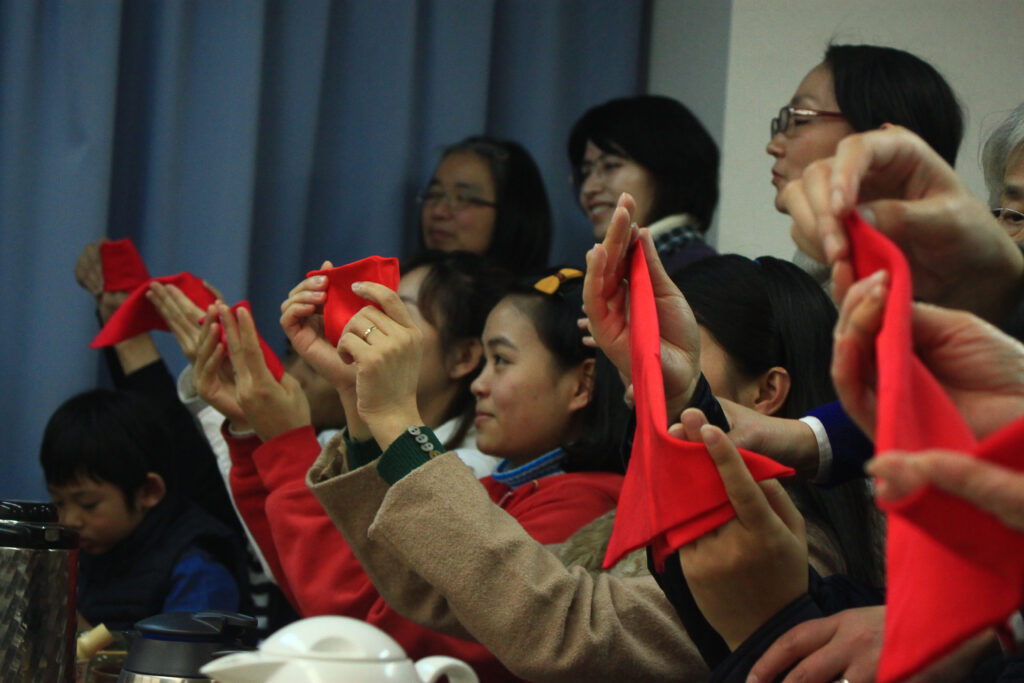
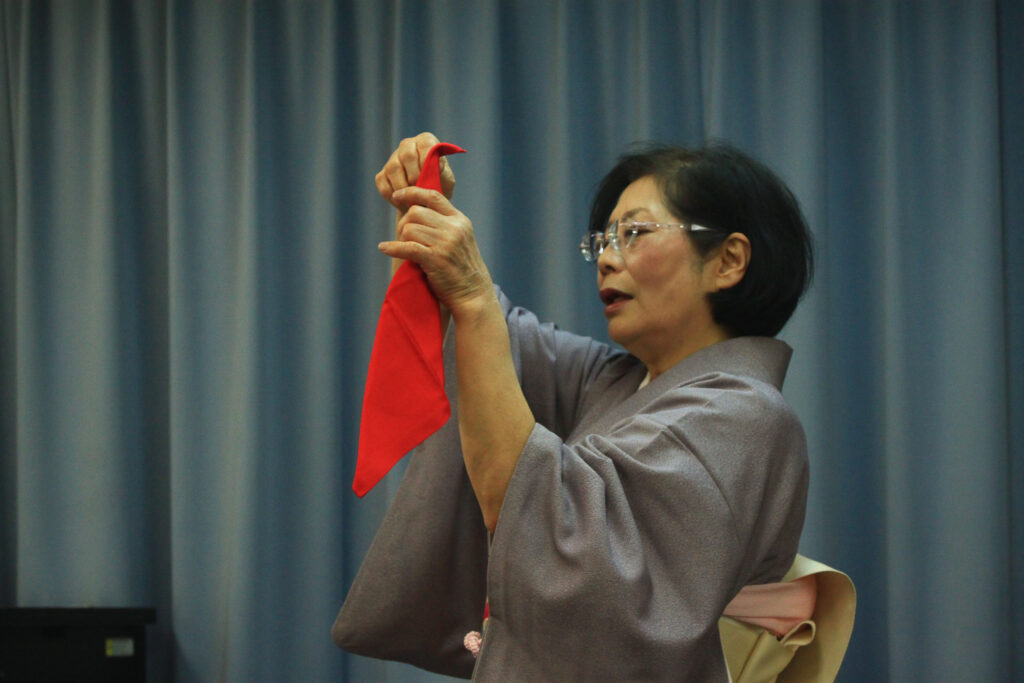
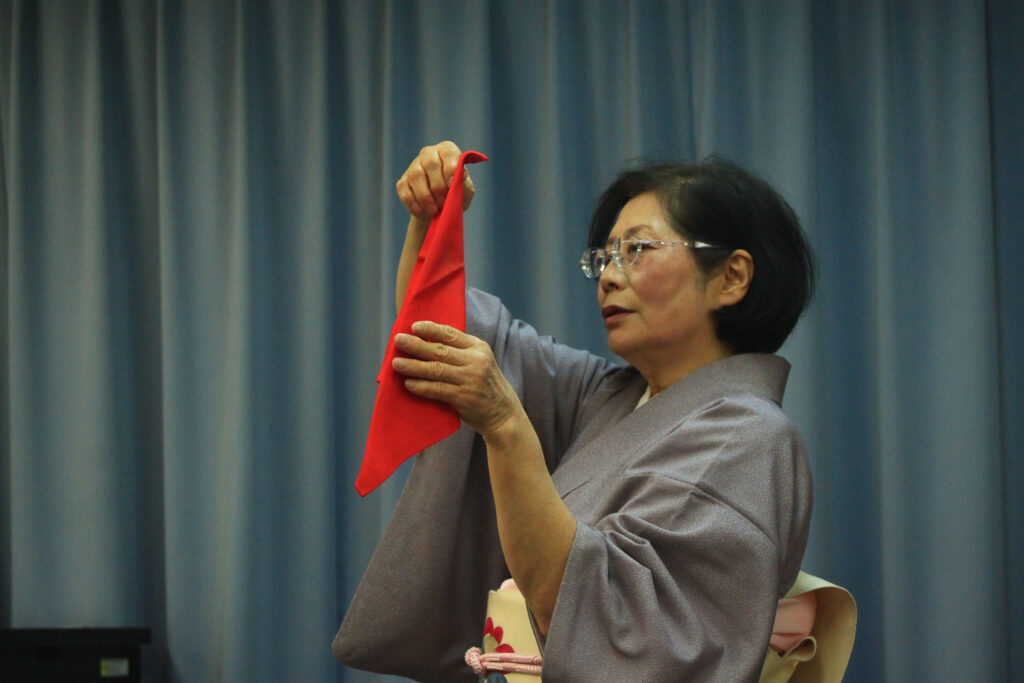
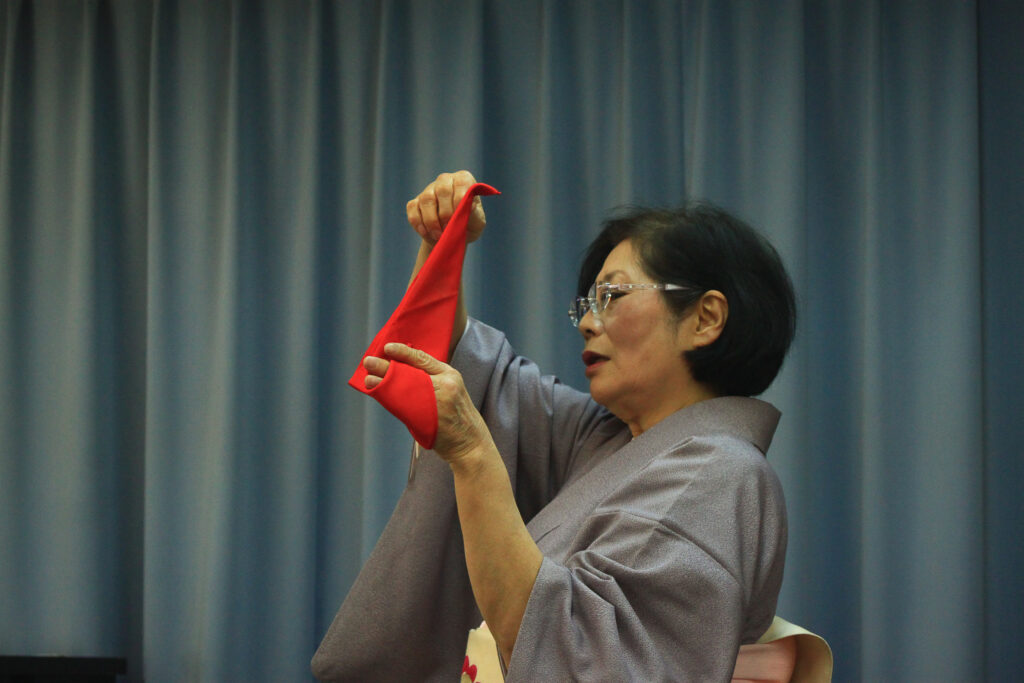
The ceremony was not a test.
It was not about achieving perfection.
It was about cultivating awareness.
The tea ceremony taught through repetition.
It taught through movement.
It taught through the body.
Years later, while reading Marcel Mauss’s famous essay on the techniques of the body, I found myself thinking about that afternoon in Hiroshima. Mauss argued that societies teach culturally specific ways of sitting, walking, eating, and moving. These practices appear natural only because they have been learned so thoroughly.
The tea ceremony offered a vivid example.
Knowledge was not being transmitted through abstract explanations.
Knowledge was being embodied.
The body itself became a site of education.
For an anthropologist, this was a powerful lesson.
Culture is not merely a collection of ideas.
It is something lived.
Something practiced.
Something performed through everyday actions.
Tea Ceremony and the Anthropology of Attention
What struck me most about the ceremony was its relationship to time.
Nothing happened quickly.
Water was heated carefully.
Tea was prepared deliberately.
Movements unfolded without haste.
Silence occupied a meaningful place within the experience.
Waiting was not a problem to be solved.
Waiting was part of the practice.
This stood in sharp contrast to the logic that governs much of contemporary life.
Modern institutions often celebrate speed, productivity, and efficiency.
The tea ceremony appeared to value something else.
Presence.
Patience.
Attentiveness.
The ceremony transformed ordinary actions into opportunities for awareness.
Preparing tea became an exercise in attention.
Serving tea became an exercise in attention.
Receiving tea became an exercise in attention.
The tea itself seemed almost secondary.
What mattered was the quality of engagement.
The ceremony reminded participants that meaning often resides not in outcomes but in processes.
This lesson has remained with me long after the taste of the tea itself has faded from memory.
Learning to See Slowly
At the time, I did not realize how much the tea ceremony would influence my understanding of photography.
Photography is often associated with speed.
Photographers speak about decisive moments, fleeting gestures, and split-second decisions.
Yet some of the photographs that continue to matter most to me are not dramatic images.
They are photographs of ordinary things.
A quiet street.
Rain on a window.
A bicycle leaning against a wall.
A bowl resting after use.
These images contain little action.
Yet they contain attention.
The tea ceremony helped me understand that photography is not simply about recording events.
It is about learning how to see.
More precisely, it is about learning how to see slowly.
A meaningful photograph is rarely produced by technical skill alone.
It emerges from a relationship.
A relationship between photographer and subject.
A relationship between observer and world.
A relationship built through time, patience, and presence.
The tea ceremony and photography are different practices, but both depend upon attention.
Both invite participants to notice what is easily overlooked.
Both reward patience.
Both reveal meaning through careful observation.
Presence in the Age of AI
When these photographs were made, artificial intelligence played no role in everyday visual culture.
Today, the situation is very different.
Images can be generated without cameras.
Landscapes can be created without places.
Faces can be produced without people.
Entire worlds can emerge from prompts.
These developments raise important questions about creativity, authorship, and representation.
Yet when I think about such transformations, I often find myself returning to the tea room.
The tea ceremony reminds us that meaning does not reside solely in products.
Meaning emerges through participation.
The significance of a bowl of tea cannot be separated from the gestures that prepared it, the people who shared it, and the relationships that made the encounter possible.
The same is true of photography.
A photograph is more than an image.
It is evidence of attention.
Someone stood in a particular place.
Someone waited.
Someone looked.
Someone cared enough to make the image.
This does not diminish the possibilities of new technologies.
Rather, it reminds us that human encounters remain important.
Not everything valuable can be accelerated.
Not everything meaningful can be automated.
The tea ceremony teaches a lesson that feels surprisingly contemporary: attention is becoming one of the rarest and most valuable resources of our time.
Conclusion: What Remains
Looking back, I realize that I remember very little about the taste of the tea itself.
I cannot recall every instruction we received.
I cannot reconstruct every conversation that followed.
Time has carried many of those details away.
What remains is something else.
I remember the slowness.
I remember the concentration.
I remember the feeling that every gesture mattered.
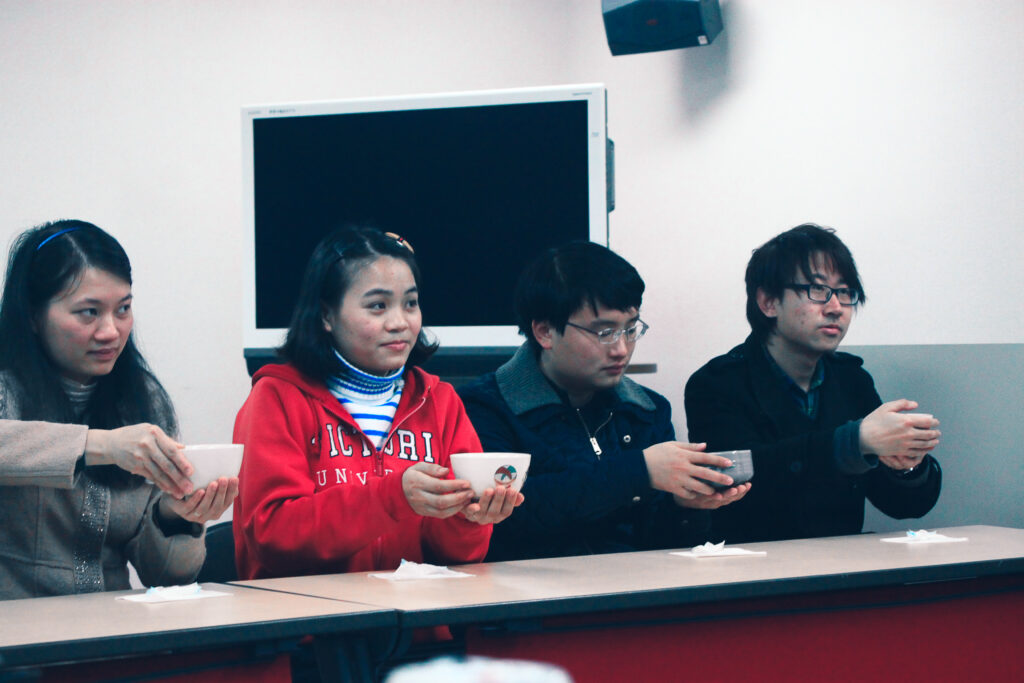
I remember a room filled with international students discovering, through a bowl of tea, that culture can be transmitted not only through language but through movement, objects, spaces, and shared attention.
More than a decade later, these photographs continue to teach me.
They remind me that photography can be a form of memory.
They remind me that anthropology begins with careful observation.
They remind me that learning often occurs through participation rather than explanation.
Most importantly, they remind me that the tea ceremony was never simply about tea.
It was about learning how to be present.
It was about learning how to attend to the world.
And perhaps that is why these photographs still matter.
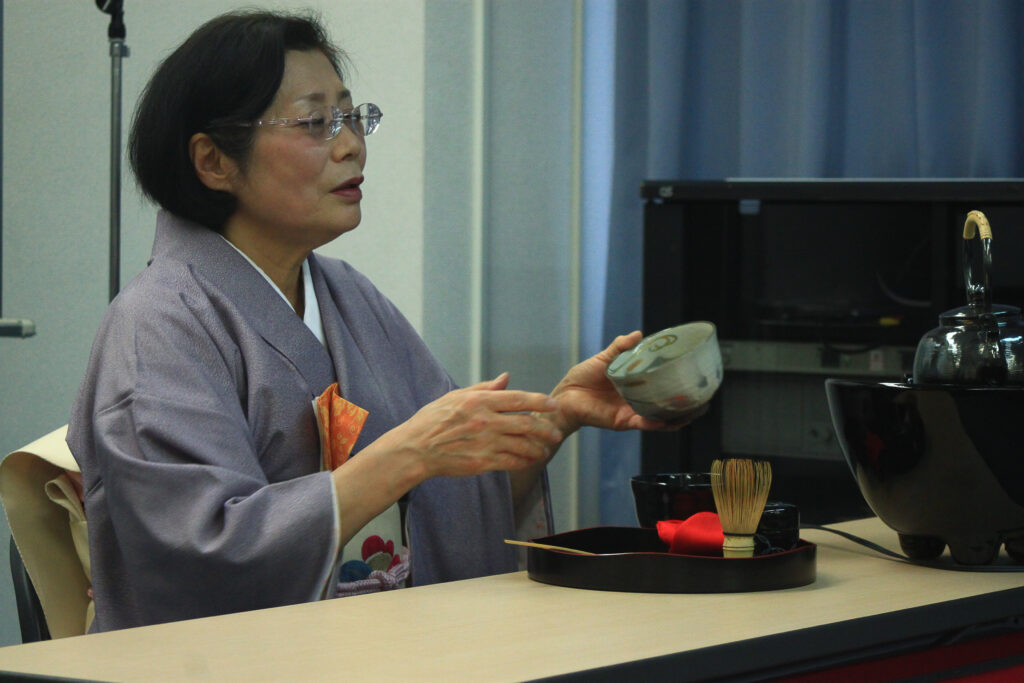
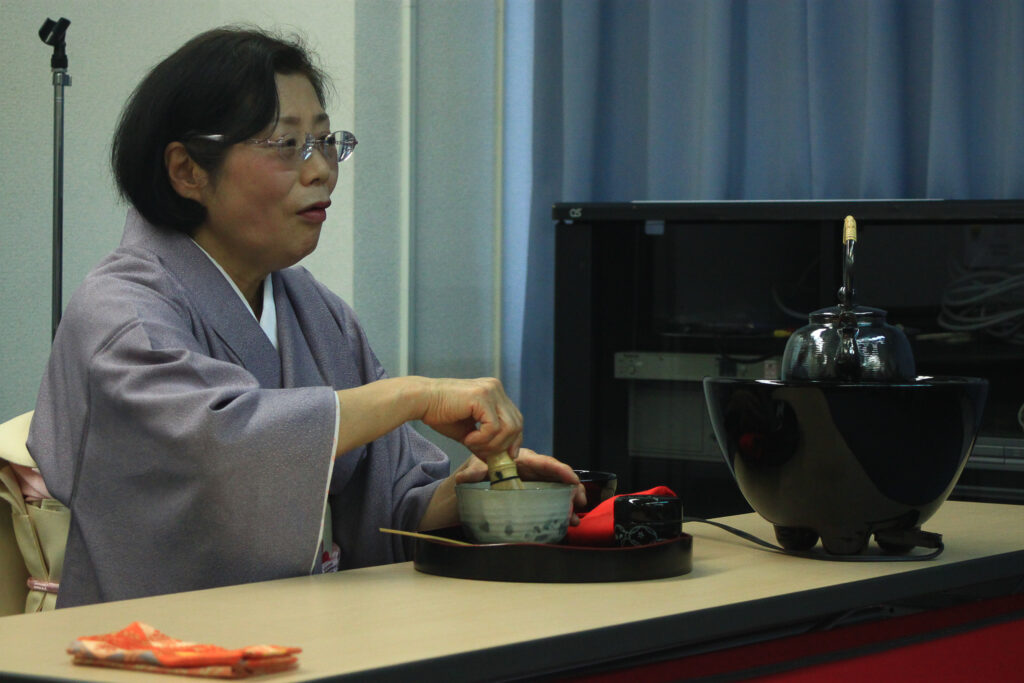
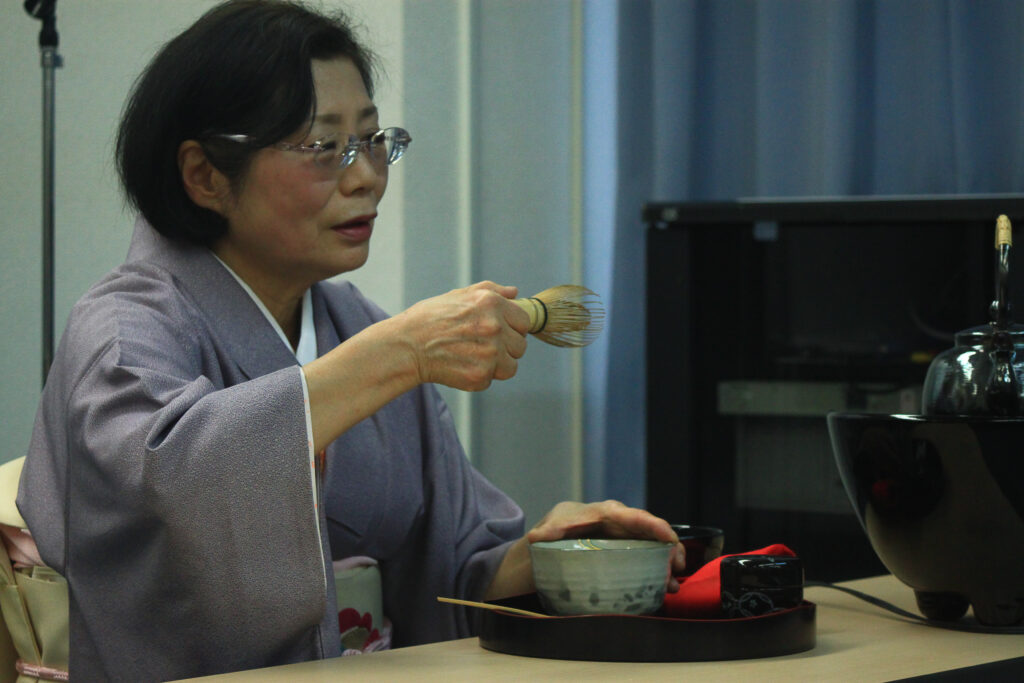
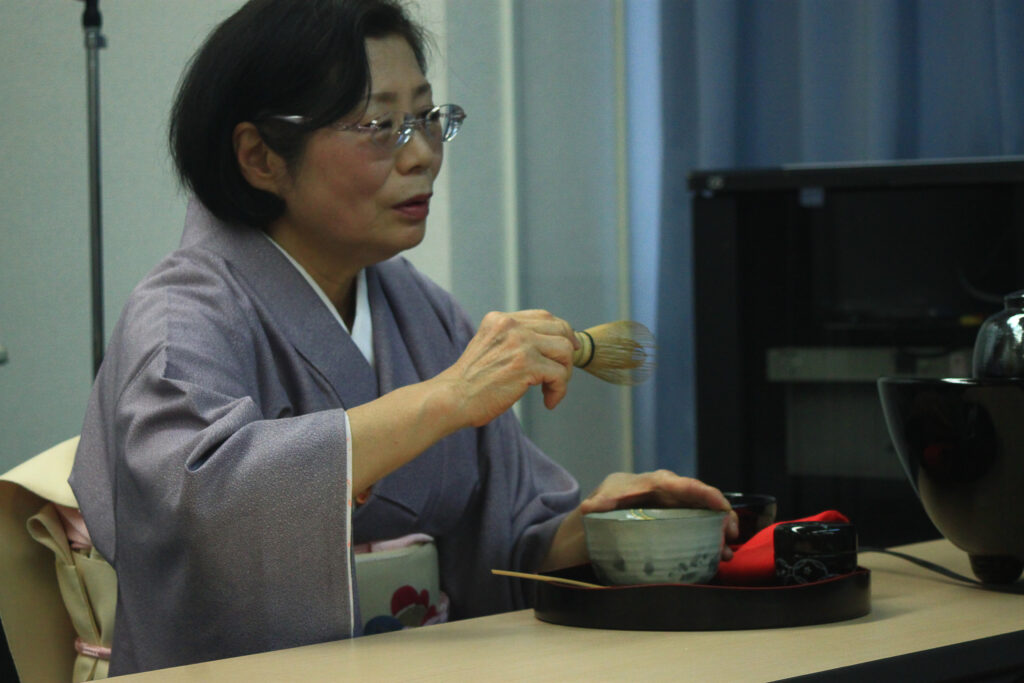
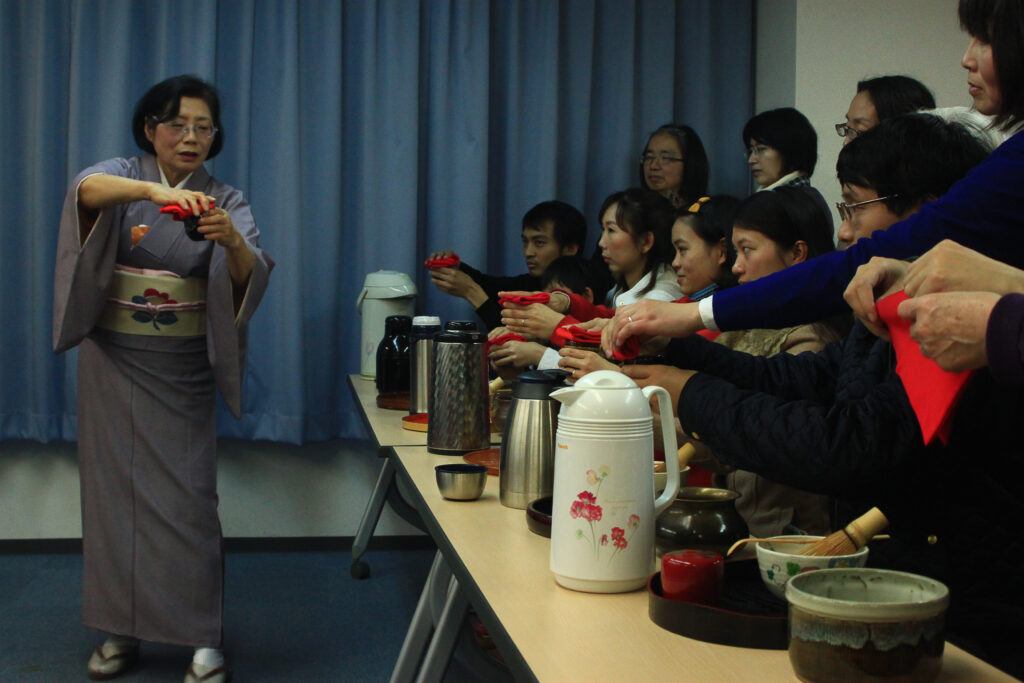
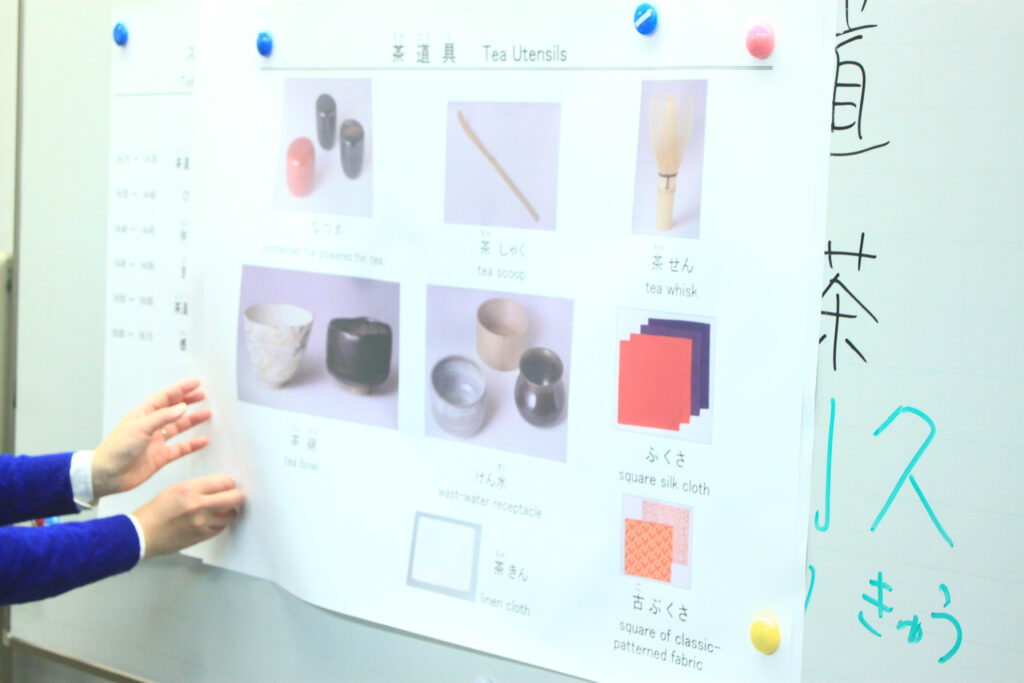
They preserve a moment when a group of international students gathered in a room in Hiroshima and discovered that one of the most profound lessons a culture can offer is not how to think, but how to pay attention.