Revisiting Shoji Ueda, Friendship, and Photography in Rural Japan.
A personal and anthropological reflection on Shoji Ueda, the Shoji Ueda Museum of Photography, Mount Daisen, friendship, memory, and photography in rural Japan.
Part I: The Road to Shoji Ueda
Some journeys begin long before we arrive at our destination.
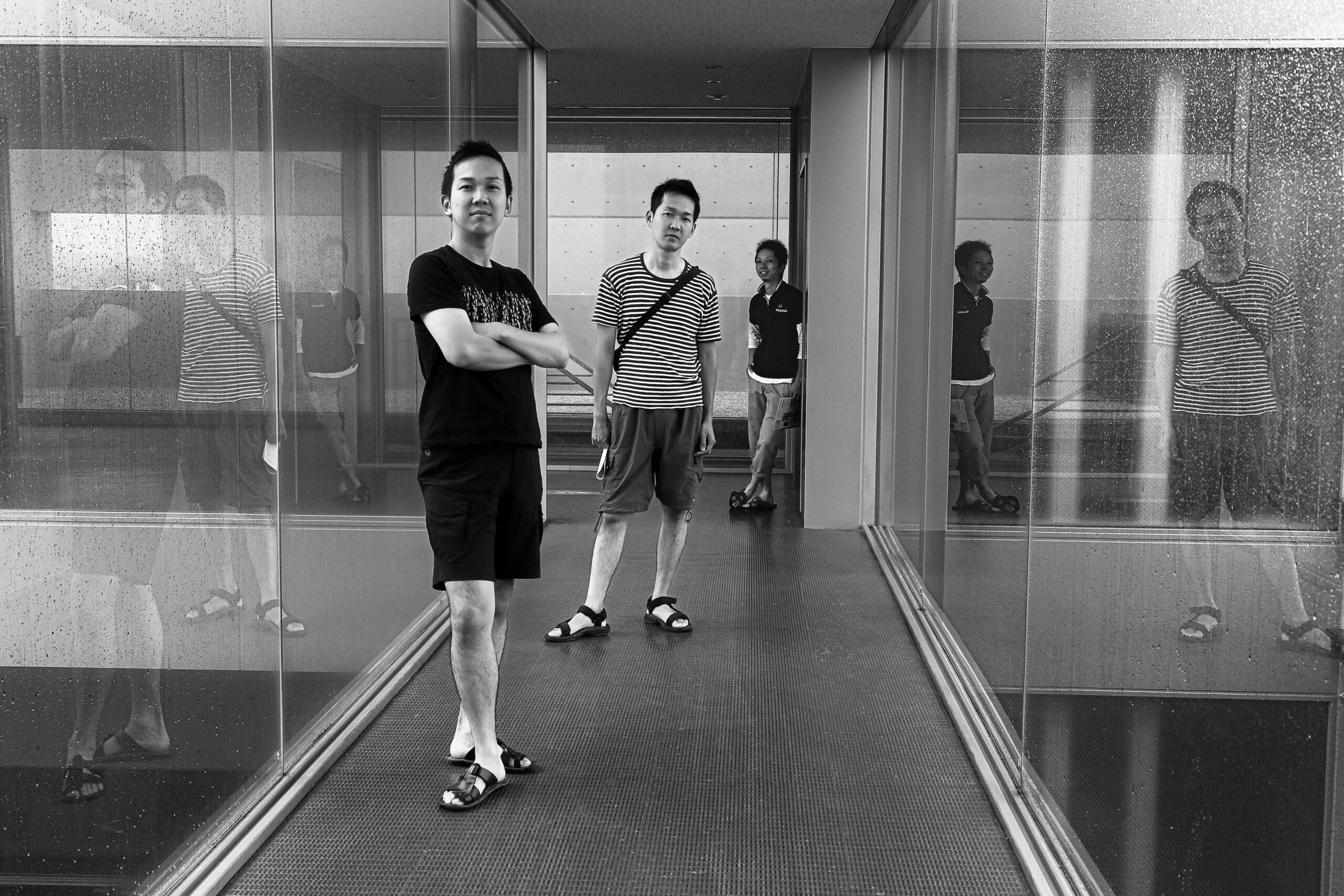
In the summer of 2015, I travelled across rural western Japan with three Japanese friends. Our destination was the Shoji Ueda Museum of Photography, a place I had wanted to visit ever since discovering the work of one of Japan’s most distinctive photographers. Yet, looking back more than a decade later, I realize that the story of that day does not begin at the museum. It begins on the road.
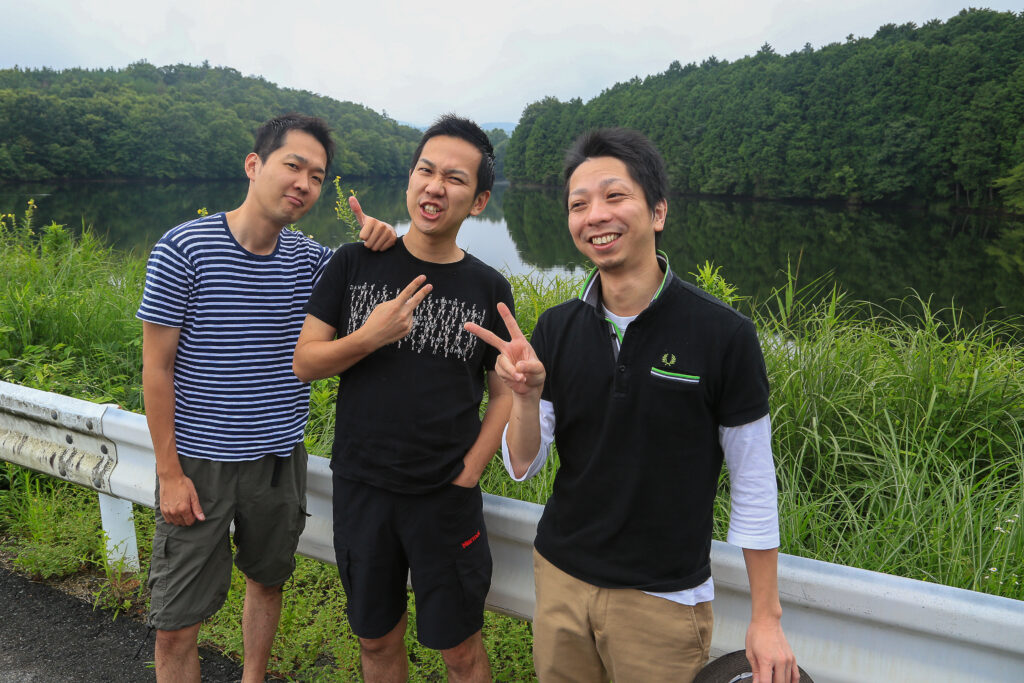
The sky was heavy with clouds. Rain drifted across the mountains in intermittent curtains, softening the outlines of forests and villages. Through the car window, the landscape unfolded slowly: rivers running alongside narrow roads, rice fields glowing in shades of green, clusters of traditional houses gathered in valleys, and distant mountains disappearing into mist.
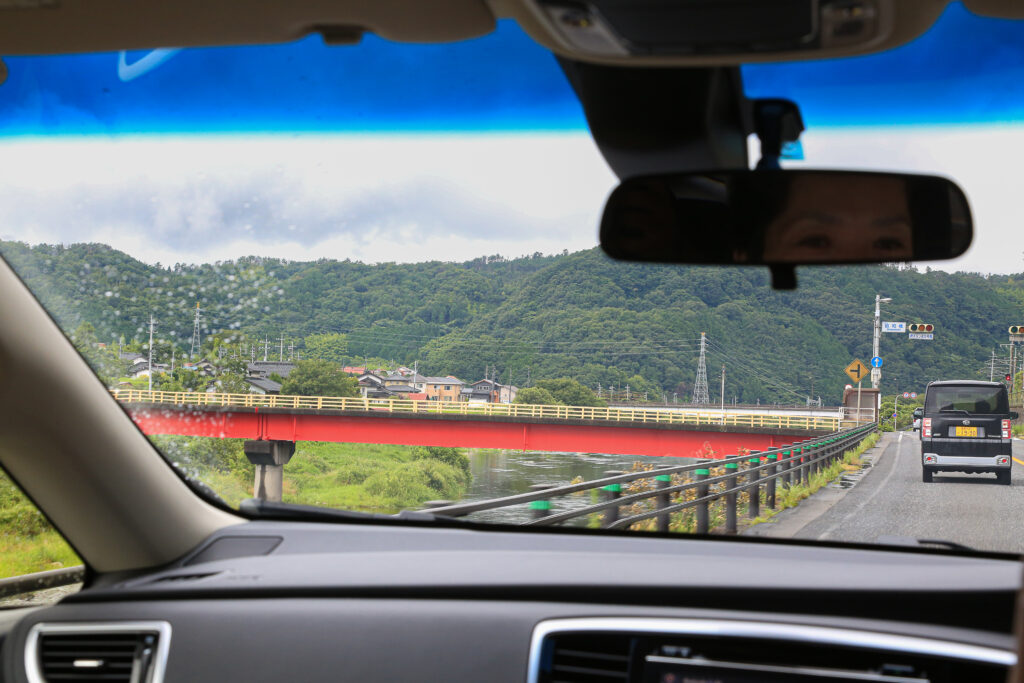

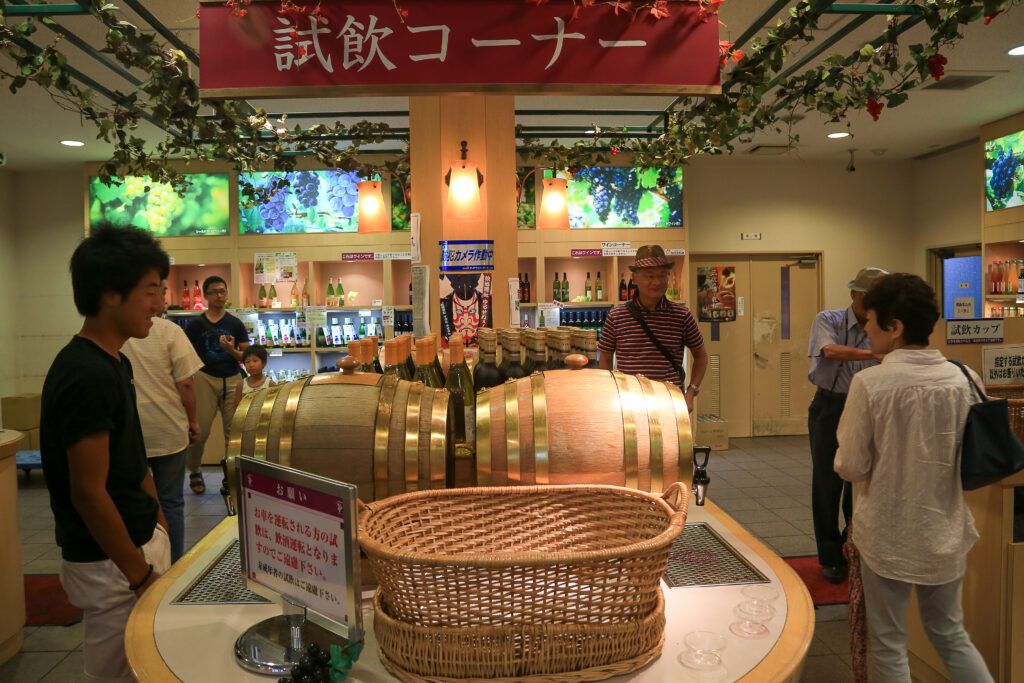
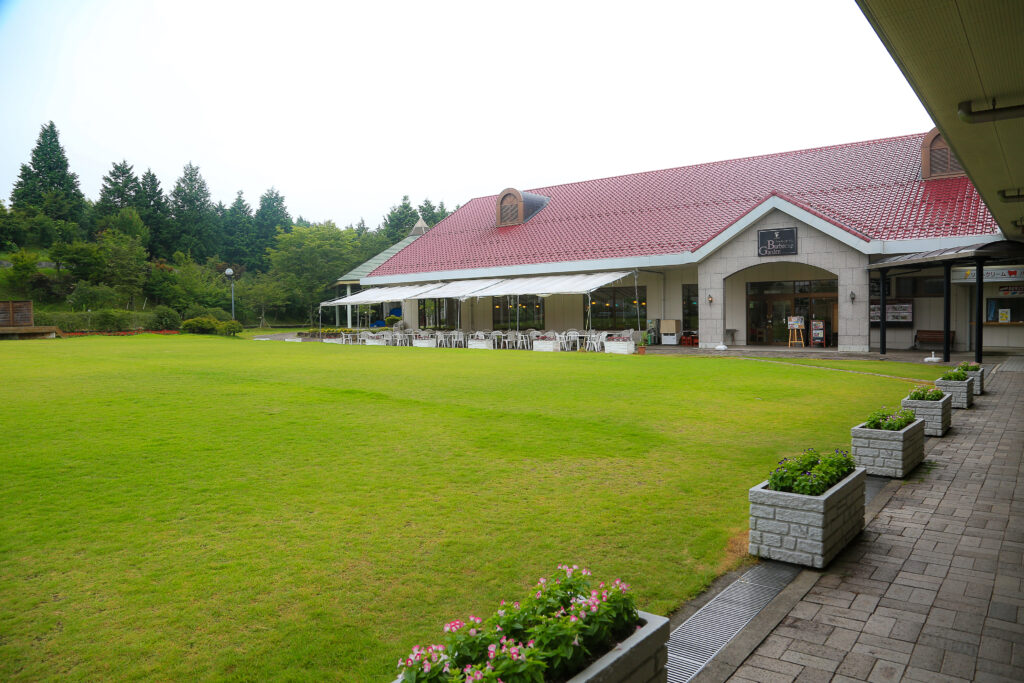
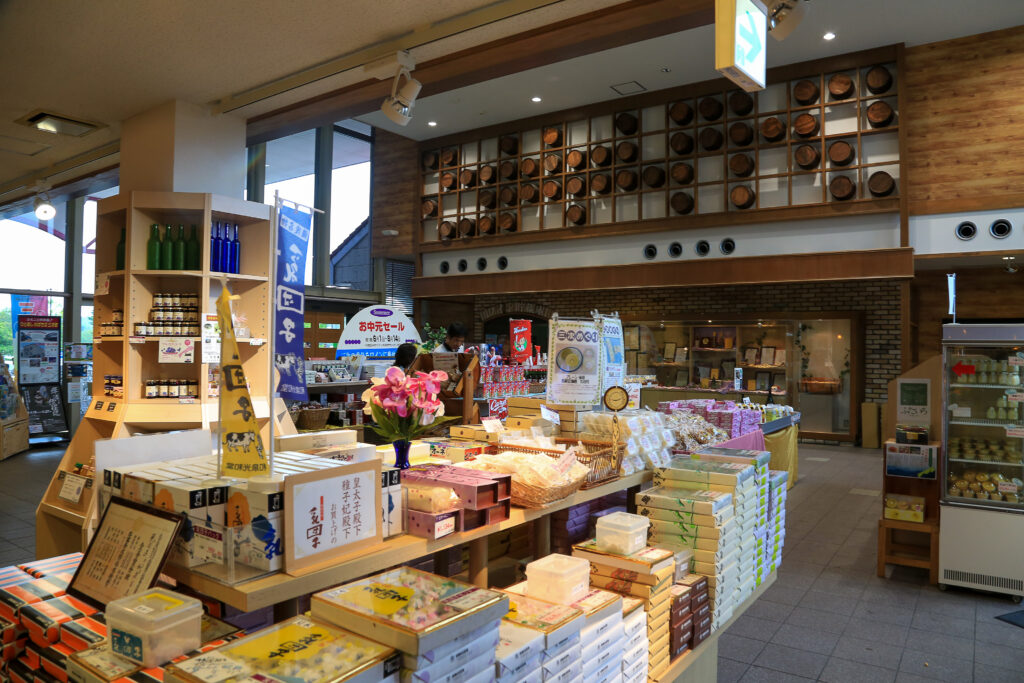
For someone raised in Bangladesh and living in Japan as a researcher, these journeys were never simply about moving from one place to another. They were opportunities to encounter another way of inhabiting the world. Rural Japan possessed a rhythm entirely different from the intensity of Tokyo or Osaka. The roads seemed quieter. The distances felt slower. Even the rain appeared to linger longer on leaves, rooftops, and riverbanks.
Inside the car, however, there was laughter.
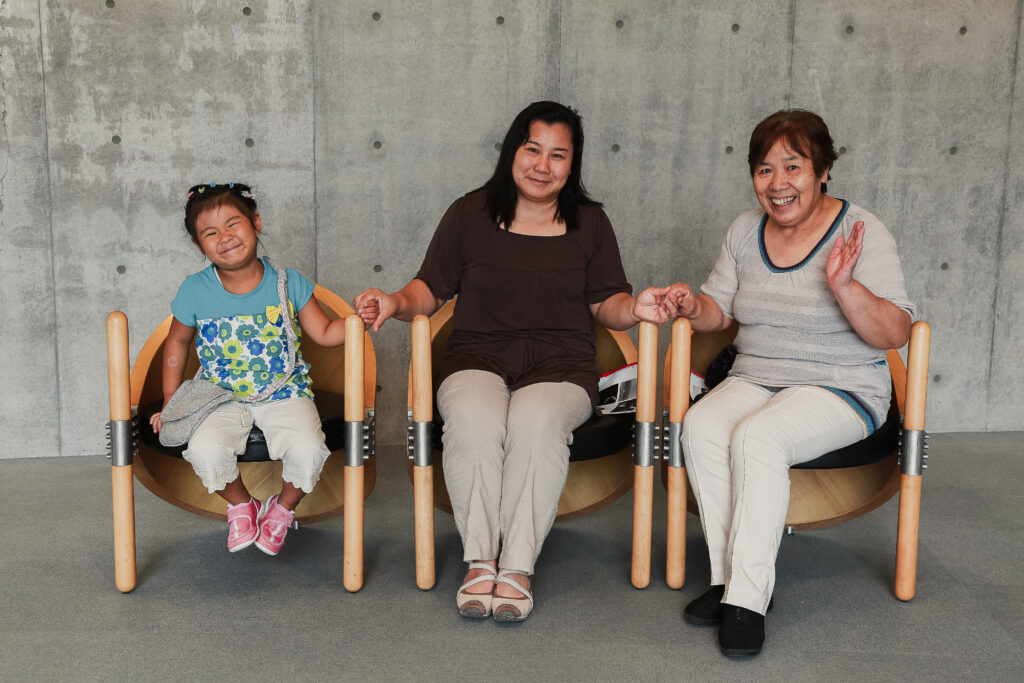
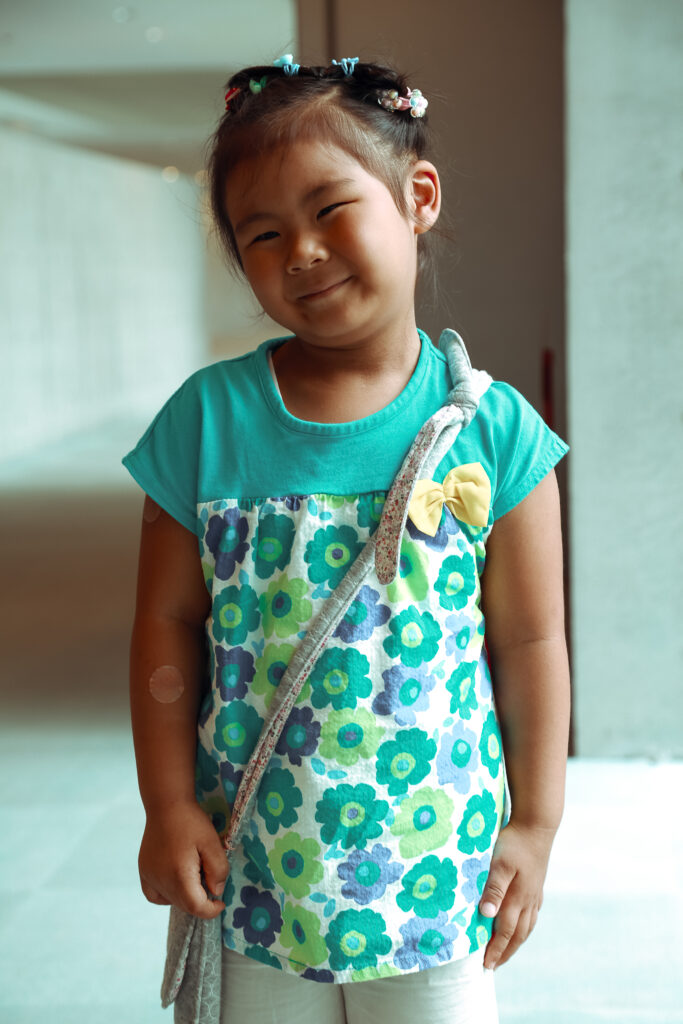
My friends joked, pointed out local landmarks, shared stories, and occasionally teased one another. The journey itself became part of the destination. Looking at the photographs today, what strikes me most is not the museum we were travelling to, but the friendships that made the journey possible. Like many moments in life, it seemed ordinary at the time. None of us could have known that more than a decade later these photographs would become fragments of memory, carrying us back to a version of ourselves that no longer exists.
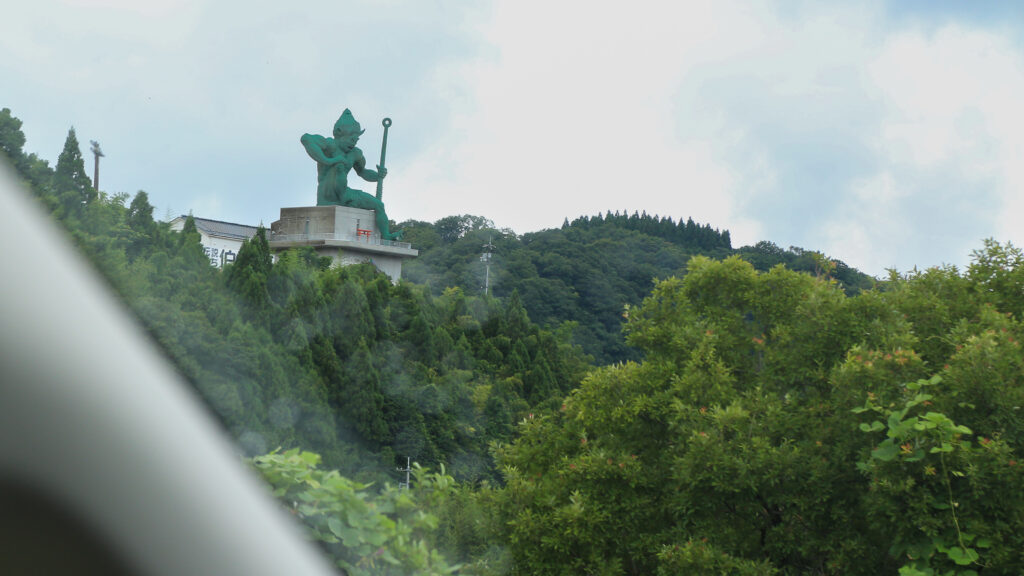
As we approached the foothills of Mount Daisen, the landscape became increasingly dramatic. Thick forests covered the slopes. Clouds moved across the mountains like slow waves. Small towns appeared between valleys and rivers, each carrying its own history, folklore, and rhythms of everyday life.
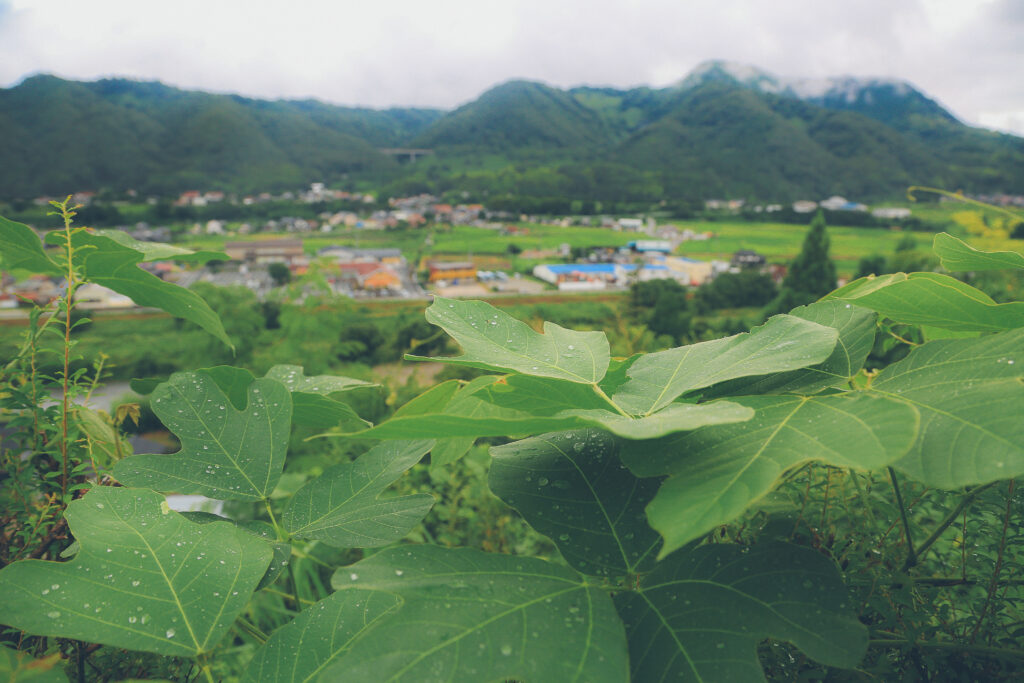
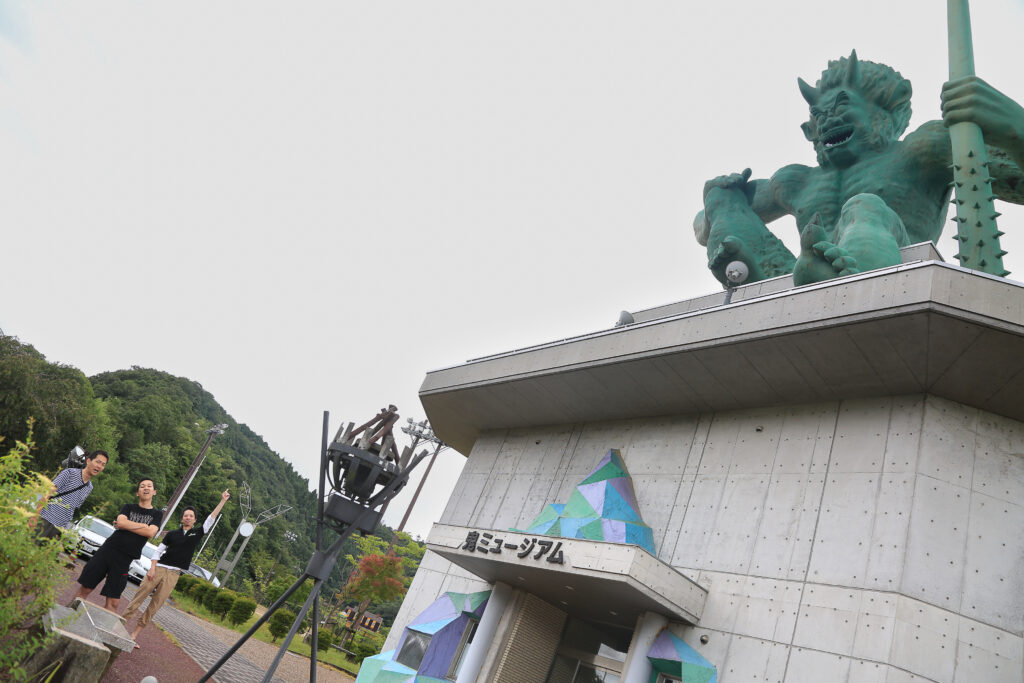
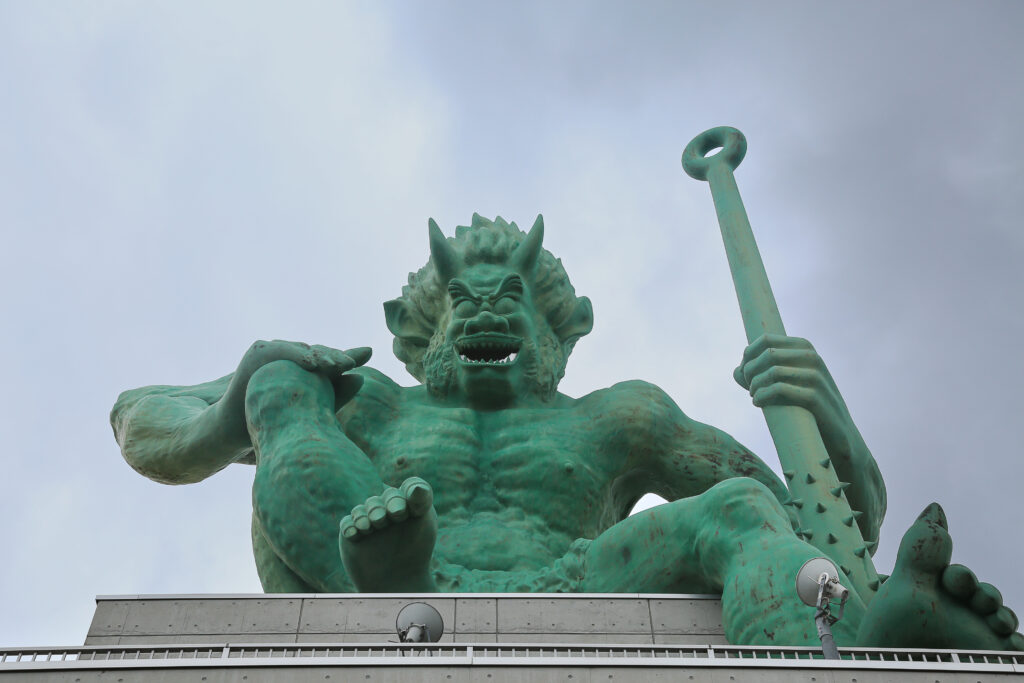
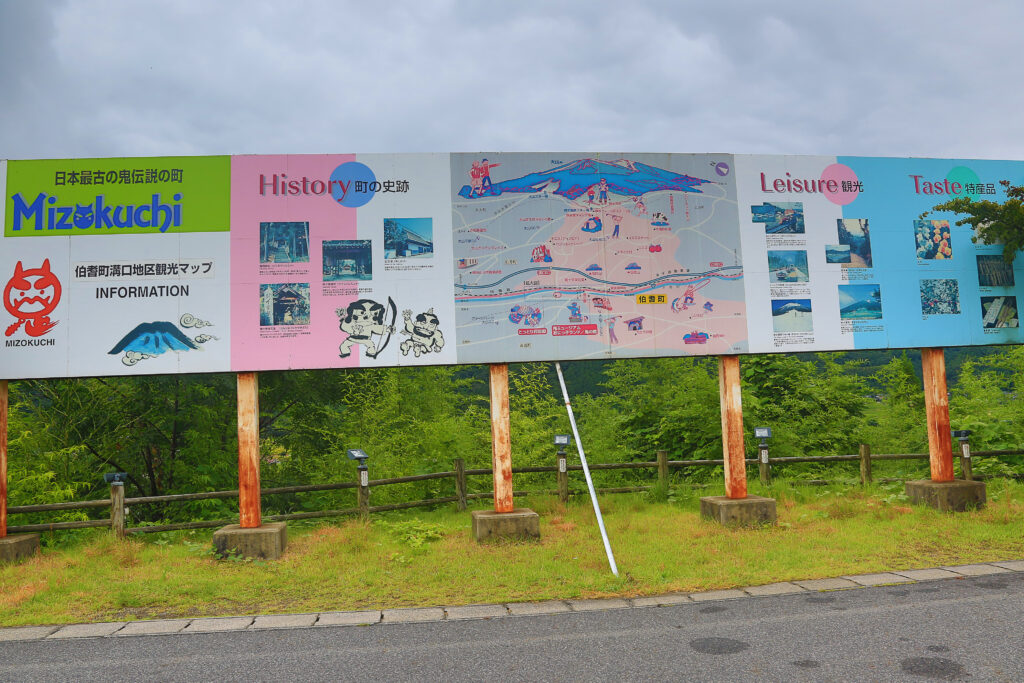
One of our stops was in Mizokuchi, a town known for its Oni legends. There, standing above the landscape, was a colossal green Oni—a demon-like figure from Japanese folklore. My friends immediately turned the stop into a playful event. We posed for photographs beneath the giant statue, laughing at its exaggerated expression and imposing size.
At the time, it felt like nothing more than a spontaneous roadside detour.
Today, I see it differently.
The giant Oni was more than a tourist attraction. It was part of a cultural landscape where mythology, memory, and place remain intertwined. Rural Japan often preserves its histories not only through museums and archives but also through stories, legends, local rituals, and monuments that inhabit the landscape itself. The Oni stood as a reminder that places carry narratives long before visitors arrive and long after they leave.
Looking back, I find it fitting that our journey to Shoji Ueda began with folklore.
Shoji Ueda’s photographs occupy a fascinating space between reality and imagination. His images are carefully staged, yet they never feel artificial. They emerge from real landscapes, real people, and real relationships while simultaneously creating worlds that seem suspended between documentary and dream. The encounter with the Oni now feels like an unexpected prelude to that visual philosophy. Before entering Ueda’s world, we first passed through a landscape where myth still watched over the mountains.
The closer we came to Mount Daisen, the more I sensed the geography that had shaped Ueda’s imagination. Unlike many photographers associated with metropolitan modernity, Ueda remained deeply connected to the San’in region. The vast sand dunes of Tottori, the open skies, the changing weather, and the rural landscape became integral elements of his visual language. His photographs cannot be fully understood apart from the places that inspired them.
At the time, however, I knew very little of this.
I was simply travelling with friends.
I was enjoying the road, the conversation, the rain, the mountains, and the unexpected discoveries that appeared along the way.
Only later would I realize that the journey itself had already begun teaching me something about photography.
Photography is not always found in the decisive moment. Sometimes it resides in movement. In landscapes passed through. In conversations half remembered. In friendships that survive only in photographs. In places we did not know would become important.
Years later, when I revisit these images, I no longer see them merely as records of a trip to a museum.
I see a road.
I see friendship.
I see a younger version of myself moving through a landscape that would eventually become part of my own archive of memory.
And somewhere beyond the next bend in the road, hidden beneath the clouds and framed by the mountains of western Japan, waited the Shoji Ueda Museum of Photography.
Part II: Entering Shoji Ueda’s World
The Shoji Ueda Museum of Photography stands in Hōki, Tottori Prefecture, at the foot of Mount Daisen, one of Japan’s most iconic mountains. Opened in 1995 while Shoji Ueda was still alive, the museum was established not merely as a repository of photographs but as a space dedicated to preserving and communicating his unique vision of the world.
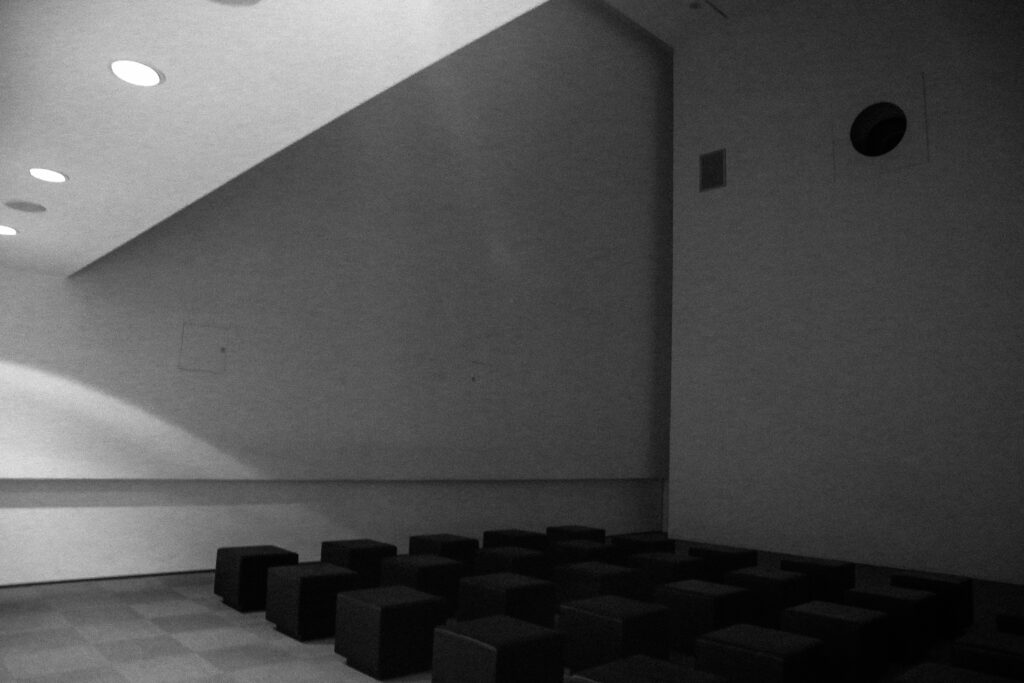
Unlike many photography museums located in major cities, the museum’s location is inseparable from its meaning. Shoji Ueda spent most of his life in the San’in region of western Japan, far from Tokyo’s cultural and artistic centers. Rather than leaving his hometown to pursue a career in the capital, he remained deeply rooted in the landscapes that shaped his imagination. The museum reflects this commitment to place.
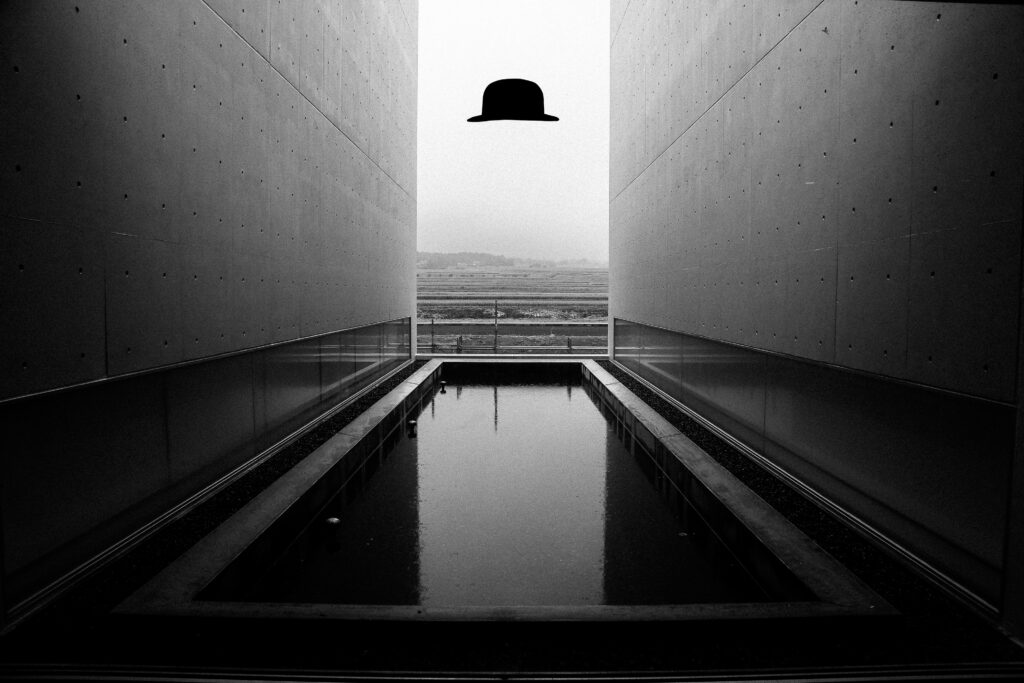
The building itself is an architectural statement.
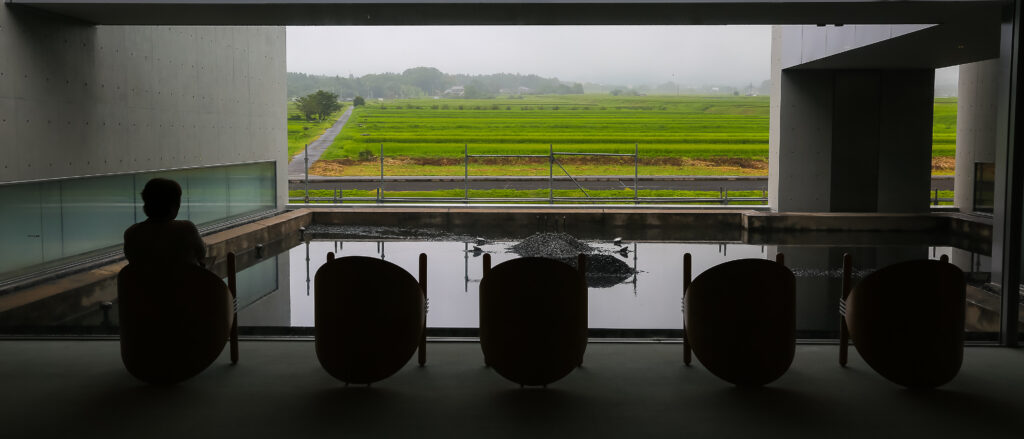
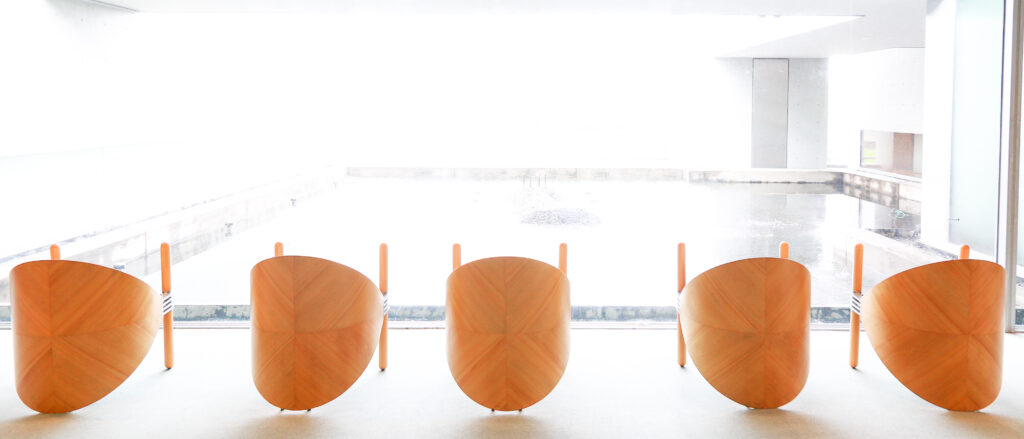
Designed by the renowned Japanese architect Shin Takamatsu, the museum does not simply contain photographs; it behaves like a camera. Throughout the building, carefully positioned windows and viewing corridors frame Mount Daisen as if it were a photograph. Walls, openings, reflections, and sightlines transform the surrounding landscape into a series of visual compositions. Visitors do not merely look at photographs inside the museum. They become participants in an act of seeing.
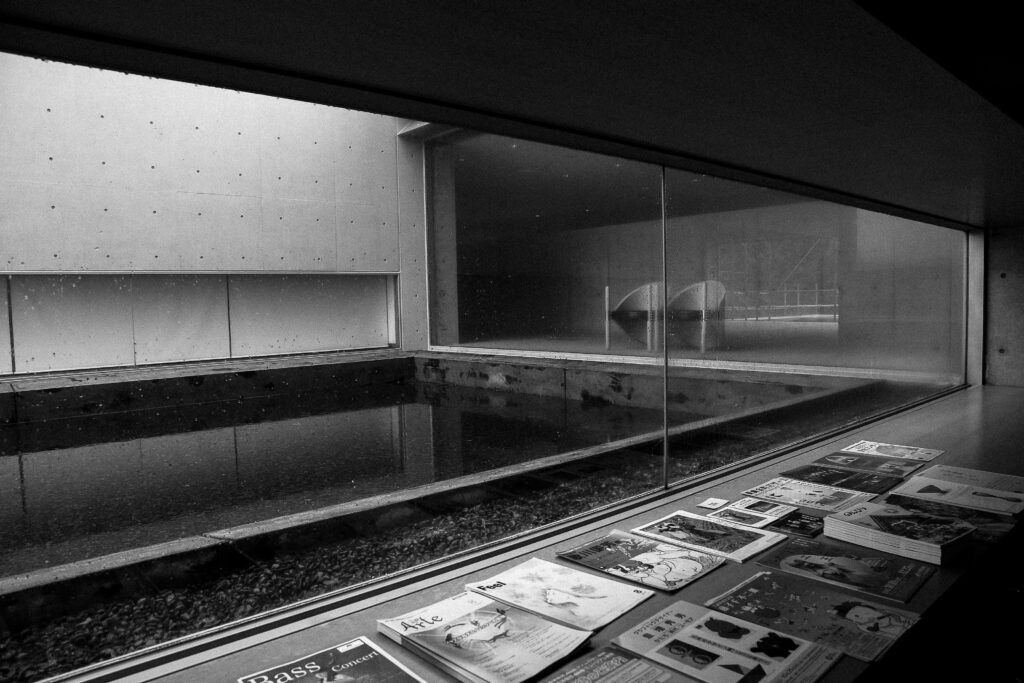
This architectural relationship between photography and landscape is deeply connected to Ueda’s own artistic philosophy. Throughout his career, he photographed the people, places, and environments of Tottori and the wider San’in region. The famous Tottori Sand Dunes became his outdoor studio, a vast natural stage where family members, children, friends, and strangers appeared in carefully arranged compositions that blurred the boundaries between documentary and performance.
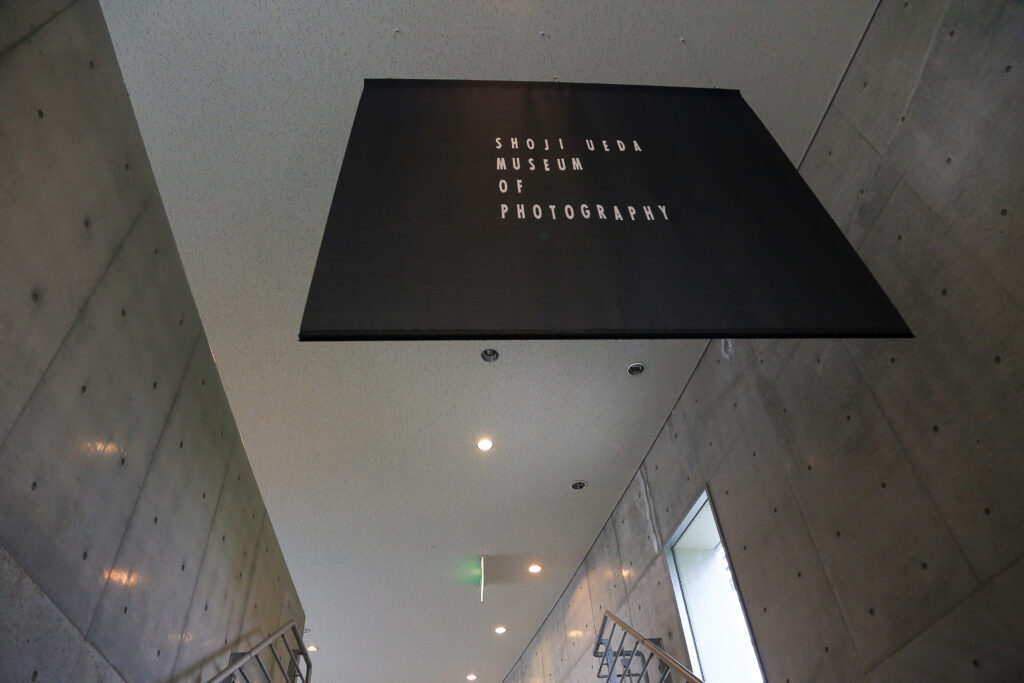
Standing inside the museum, one begins to understand that Ueda’s photographs are impossible to separate from their geography. The mountain visible through the museum’s windows is not simply scenery. It belongs to the same visual world that produced his photographs.
Shoji Ueda was born in 1913 in Sakaiminato, Tottori Prefecture. He became interested in photography at a young age and eventually developed one of the most distinctive visual styles in twentieth-century Japanese photography. While many photographers pursued urban subjects, social reportage, or political themes, Ueda created images that were playful, poetic, theatrical, and often quietly surreal.
His photographs frequently featured members of his own family. Children stood against vast landscapes. Figures appeared isolated within the emptiness of sand dunes. Everyday people became actors within carefully constructed visual scenes. These photographs felt both real and dreamlike at the same time.
Critics eventually coined the term “Ueda-chō” (Ueda Style) to describe this unique approach. The phrase refers not only to his compositional techniques but also to his ability to transform ordinary people and ordinary places into images that feel simultaneously intimate and mysterious.
One of the most striking aspects of Ueda’s work is that he challenged the conventional distinction between documentary and fiction. His images were often staged, yet they remained deeply truthful. They did not document events as they unfolded; instead, they revealed relationships between people, landscape, memory, and imagination.
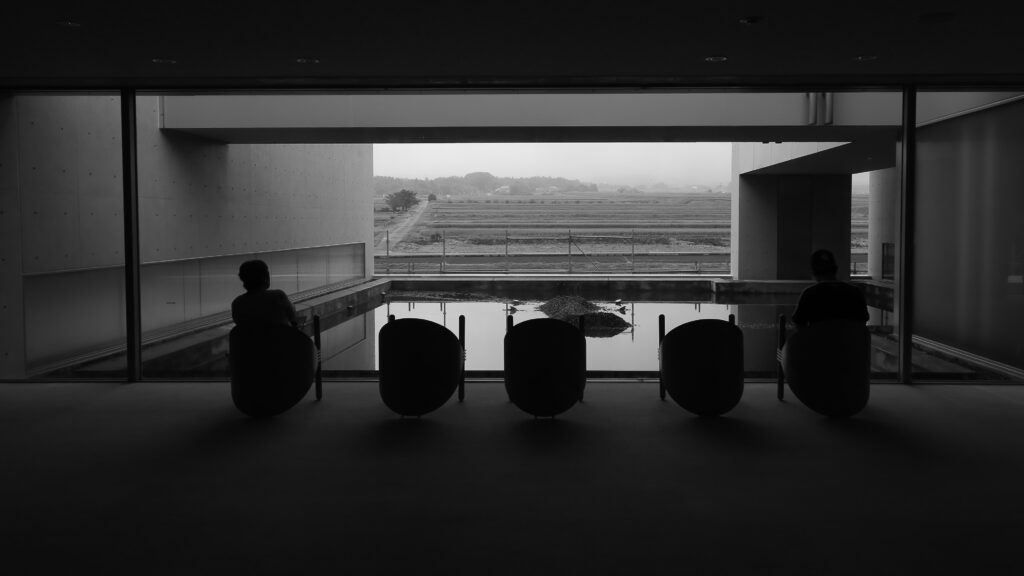
Today, in an era saturated with digital images and AI-generated visual worlds, this aspect of Ueda’s work feels particularly relevant. His photographs remind us that the authenticity of an image does not necessarily depend on spontaneity. An image may be carefully constructed and still communicate something profoundly real about human experience.
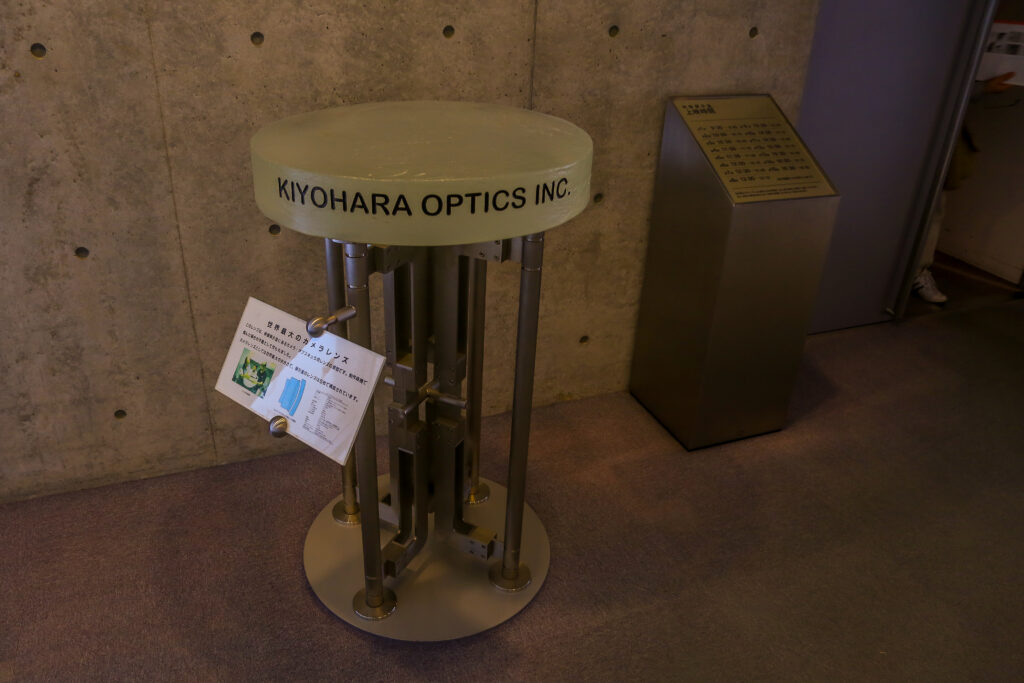
The museum houses thousands of photographs, negatives, publications, personal materials, and archival documents related to Ueda’s life and work. Yet what remains most memorable is not simply the collection itself. It is the atmosphere created by the encounter between architecture, landscape, and photography.
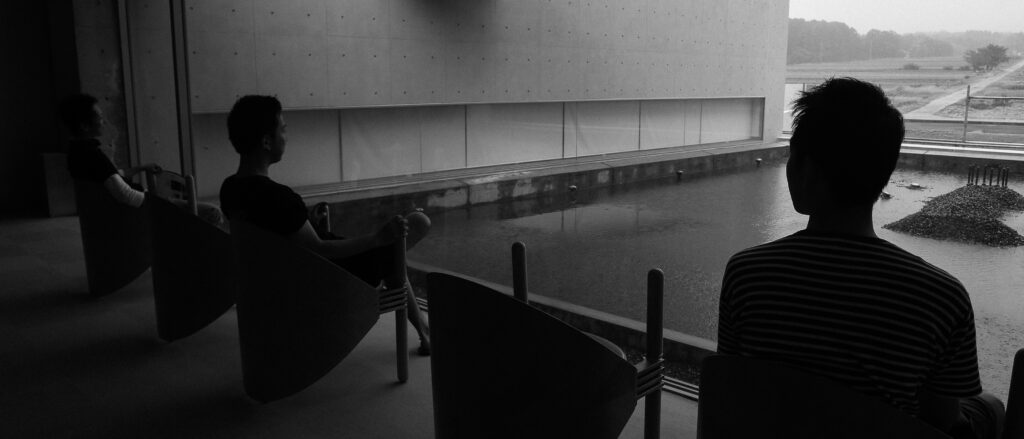
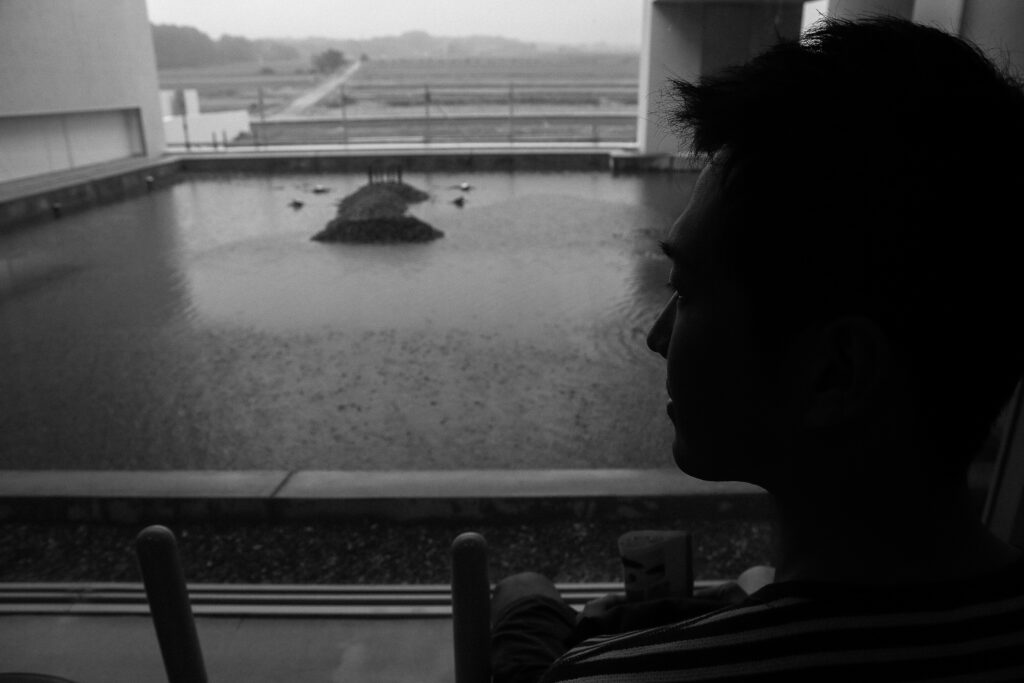
As I walked through the museum in 2015, I was primarily a visitor and photographer. I admired the images, appreciated the architecture, and enjoyed the experience. More than a decade later, returning to those memories as a visual anthropologist, teacher, and researcher, I find myself seeing the museum differently.
It is not merely a museum dedicated to a photographer.
It is a museum dedicated to a way of seeing.
The building frames Mount Daisen.
Ueda framed the landscapes of Tottori.
And through both, visitors are invited to reconsider the relationship between place, memory, and the photographic imagination.
Part III: Shoji Ueda and the Art of Constructed Reality
If the museum teaches visitors how to see, Shoji Ueda’s photographs teach them how to question what they are seeing.
Photography has long been associated with truth. Since its invention, the camera has often been understood as a device capable of recording reality objectively. Yet Shoji Ueda spent much of his career quietly challenging this assumption. His photographs reveal that truth and reality are not always the same thing.
Many of Ueda’s most famous images were carefully staged. Family members, children, friends, and local residents were positioned deliberately within landscapes. People stood in improbable arrangements. Figures appeared isolated within vast expanses of sand. Everyday life became performance.
Yet these photographs never feel deceptive.
Instead, they reveal a different kind of truth.
Ueda was not interested in documenting events as they happened. He was interested in creating situations through which relationships between people, landscape, memory, and imagination could become visible. His work occupies a unique territory between documentary photography and visual theatre.
The Tottori Sand Dunes became the most important stage for this exploration. Stretching along the Sea of Japan, the dunes provided an environment unlike any other in the country. The landscape appeared almost abstract—vast, open, and stripped of unnecessary detail. Against this backdrop, human figures became compositional elements. A child standing alone, a family arranged in a line, or a group of girls facing the camera could transform the dunes into a surreal performance space.
One of Ueda’s best-known photographs, Four Girls (1939), illustrates this approach perfectly. Four young women stand within the dunes, their arrangement appearing simultaneously spontaneous and carefully choreographed. The image feels playful, yet unsettling. Ordinary, yet dreamlike. Documentary, yet theatrical.
This tension became one of the defining characteristics of what critics later called Ueda-chō—the Ueda Style.
The term refers not simply to his visual techniques but to an entire photographic philosophy. Ueda demonstrated that photography could remain deeply connected to reality while embracing imagination. He showed that staging a photograph does not necessarily make it less truthful.
As a visual anthropologist, I find this particularly compelling.
Anthropology has long wrestled with questions of representation. Ethnographers often debate whether it is possible to present social reality objectively. We know that observation is never neutral. Fieldnotes are selective. Narratives are constructed. Archives are incomplete. Every act of representation involves choices.
Ueda’s photography offers a useful parallel.
His images openly acknowledge construction. Rather than pretending to be invisible, the photographer becomes a participant in the creation of meaning. Yet this construction does not diminish the emotional or social reality contained within the image. On the contrary, it often reveals dimensions of experience that straightforward documentation cannot capture.
This insight feels remarkably contemporary.
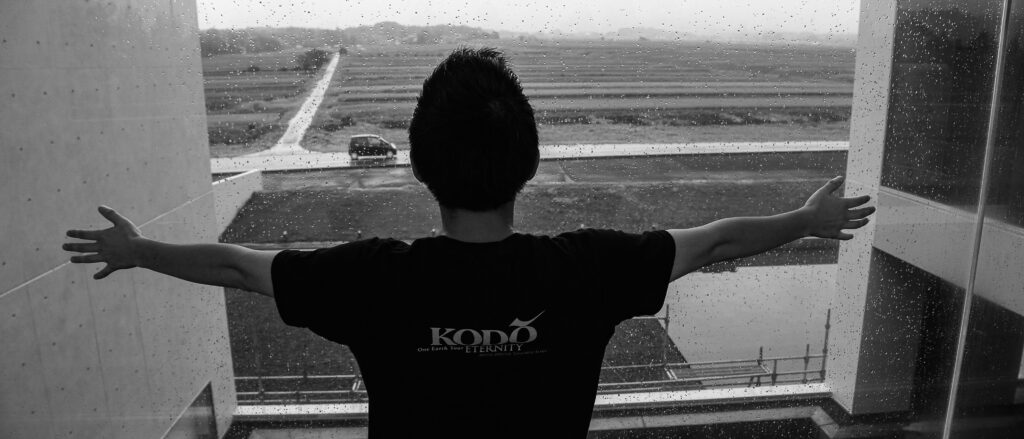
Today, photography exists within a visual environment increasingly shaped by digital manipulation, algorithmic platforms, and artificial intelligence. Images can be generated without a camera, without a location, and without any direct encounter with the world. The distinction between photographic evidence and visual fabrication has become increasingly unstable.
Against this backdrop, Ueda’s work offers an important lesson.
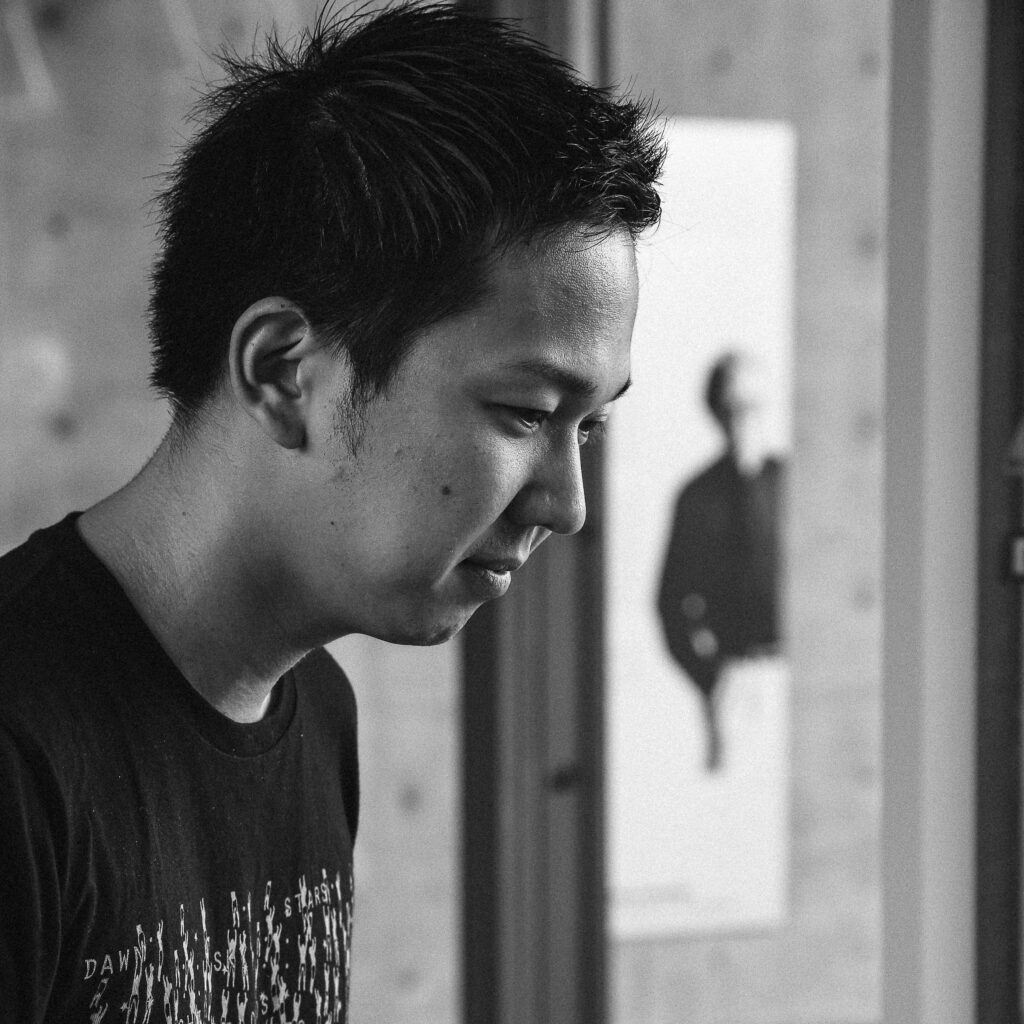
His photographs were staged, but they were never detached from reality. The people were real. The relationships were real. The landscapes were real. The encounters were real. Construction emerged from engagement rather than simulation.
In this sense, Ueda reminds us that authenticity is not simply a question of whether an image is staged. It is also a question of whether the image emerges from a genuine relationship between photographer, subject, and place.
That lesson remains profoundly relevant today.
Photography, Memory, and the Afterlife of Places
The longer I live, the more I realize that photographs do not preserve the past.
They transform it.
Susan Sontag (1977) famously argued that photographs create a way of possessing reality. They allow us to collect fragments of the world and carry them into the future. Yet photographs are never neutral containers of memory. They are selective. They preserve some details while allowing countless others to disappear.
Looking back at my photographs from the journey to the Shoji Ueda Museum, I am reminded that the images themselves have changed. Not physically, but socially and emotionally. What once appeared as simple travel photographs have become part of a personal archive through which I revisit a former life.
The roads remain in the photographs.
The mountains remain.
The museum remains.
Yet the meanings have shifted.
The photographs now speak less about geography and more about time.
As Geoffrey Batchen (2004) suggests, photographs often function not merely as records but as objects through which memory itself is produced and maintained. We do not simply remember through photographs; we learn how to remember through them.
For me, the photographs from that day have become a way of returning to a particular period of my life in Japan—one defined by friendship, intellectual curiosity, movement, and possibility.
Landscape, Place, and Visual Anthropology
Shoji Ueda’s work also raises important questions about the relationship between photography and place.
As visual anthropologists have long argued, places are never merely physical locations. They are assemblages of memory, practice, social relations, and cultural imagination (Pink, 2021).
The landscapes that appear in Ueda’s photographs are not empty backdrops. The sand dunes, skies, villages, and horizons of Tottori are active participants in the production of meaning.
This becomes especially evident when visiting the museum itself.
The building does not isolate photography from the surrounding environment. Instead, it repeatedly frames Mount Daisen, integrating the landscape into the act of viewing. Architecture becomes a visual device. The mountain becomes an image.
In this sense, the museum functions as an anthropological lesson.
It reminds visitors that seeing is always situated.
We never encounter images outside of place.
We see from somewhere.
We remember from somewhere.
And we tell stories from somewhere.
Shoji Ueda in the Age of AI
The contemporary relevance of Ueda’s work emerges most clearly when viewed against today’s visual environment.
We now inhabit a world increasingly saturated with algorithmically curated images, synthetic photographs, and AI-generated visual realities.
In such a context, discussions of photographic authenticity often become trapped within a simple question:
“Is the image real?”
Ueda encourages us to ask a different question:
“What relationships made this image possible?”
His photographs were frequently staged.
People were positioned deliberately.
Scenes were arranged.
Compositions were carefully constructed.
Yet these images emerged from genuine encounters between photographer, people, and landscape.
The relationships were real.
The place was real.
The experience was real.
This distinction matters.
As Ariella Azoulay (2008) argues, photography is not simply an image but a social relationship involving photographers, subjects, viewers, and institutions. The meaning of a photograph emerges from these relationships rather than from visual appearance alone.
Seen from this perspective, Ueda’s work offers an important lesson for the age of artificial intelligence.
Authenticity does not necessarily reside in spontaneity.
Nor does it reside in technological purity.
Rather, authenticity emerges from engagement with the world.
The camera remains meaningful not because it guarantees truth but because it records encounters.
Returning Home Through Photographs
When I visited the Shoji Ueda Museum in 2015, I could not have imagined that I would one day revisit those photographs from the perspective of a visual anthropologist, teacher, writer, and photographer.
The museum preserved Shoji Ueda’s vision.
My photographs preserved a journey.
Together they reveal something fundamental about photography.
Photographs do not stop time.
They create pathways back into it.
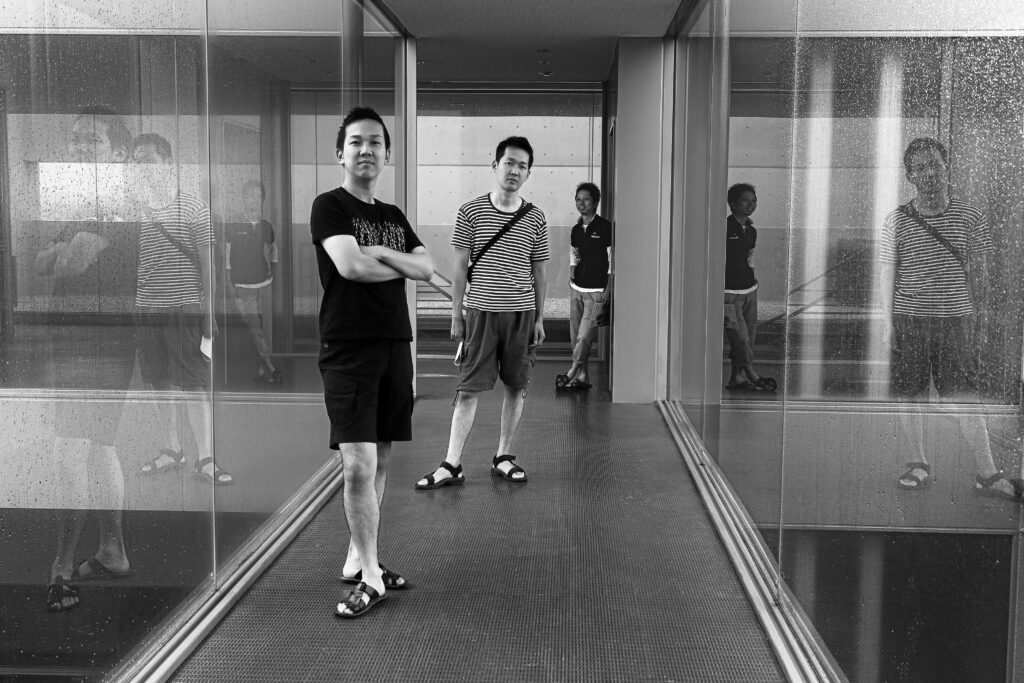
Years later, I find myself returning not only to a museum, a mountain, or a photographer, but also to a younger version of myself moving through rural Japan with three friends.
The journey ended long ago.
The friendships have evolved.
Life has moved forward.
Yet the photographs remain.
And through them, so does a small part of that world.
Conclusion
When I first visited the Shoji Ueda Museum of Photography in 2015, I arrived as a doctoral researcher living in Japan, accompanied by three Japanese friends. At the time, I saw the trip primarily as an opportunity to experience the work of an important photographer.
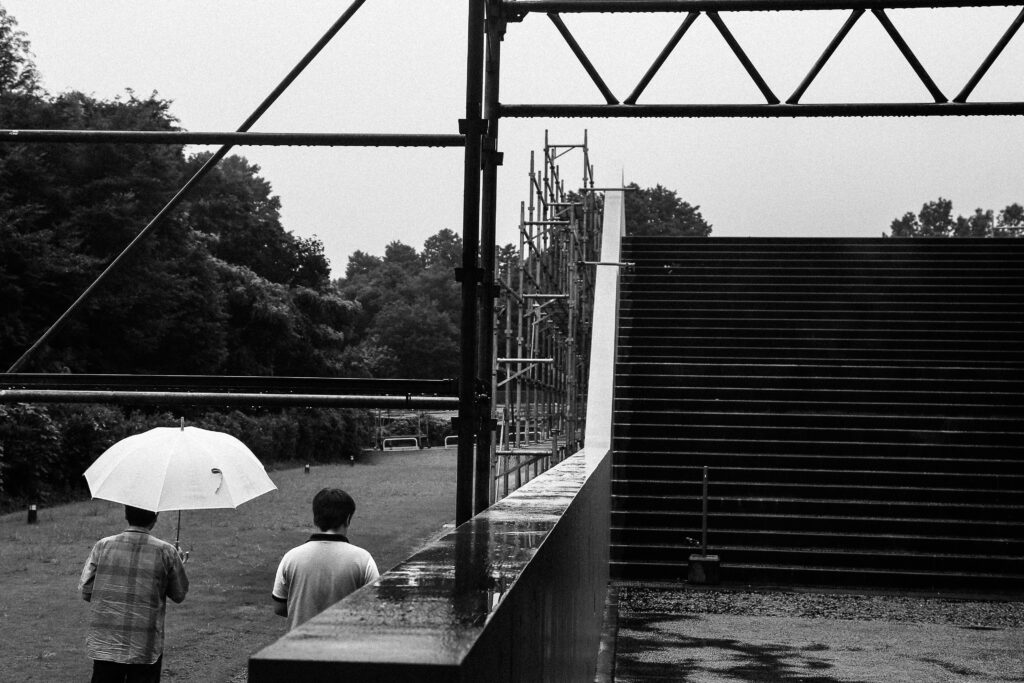
More than a decade later, I understand the journey differently.
The photographs I made that day no longer function simply as records of a museum visit. They have become part of my own archive of memory.
I remember the road winding through rural valleys.
I remember the rain moving across the mountains.
I remember stopping beneath a giant Oni statue and laughing with friends.
I remember the villages, the rivers, and the green landscape stretching toward Mount Daisen.
And I remember entering a museum dedicated to a photographer who spent his life transforming ordinary places into extraordinary images.
Perhaps that is why the visit remains meaningful.
Shoji Ueda taught us that photography does not require dramatic events or famous locations. It can emerge from familiar landscapes, family relationships, local histories, and everyday encounters. The extraordinary often resides within the ordinary.
Looking back at my own photographs from that day, I realize that they now perform a function similar to Ueda’s images.
They preserve not merely what I saw.
They preserve how a particular moment felt.
The friends in those photographs have continued with their own lives. I have continued with mine. The conversations have faded. The journey has ended. Yet the photographs remain.
In the end, this may be one of photography’s most enduring powers.
Not simply its ability to record the world, but its ability to return us to versions of ourselves that would otherwise be lost.
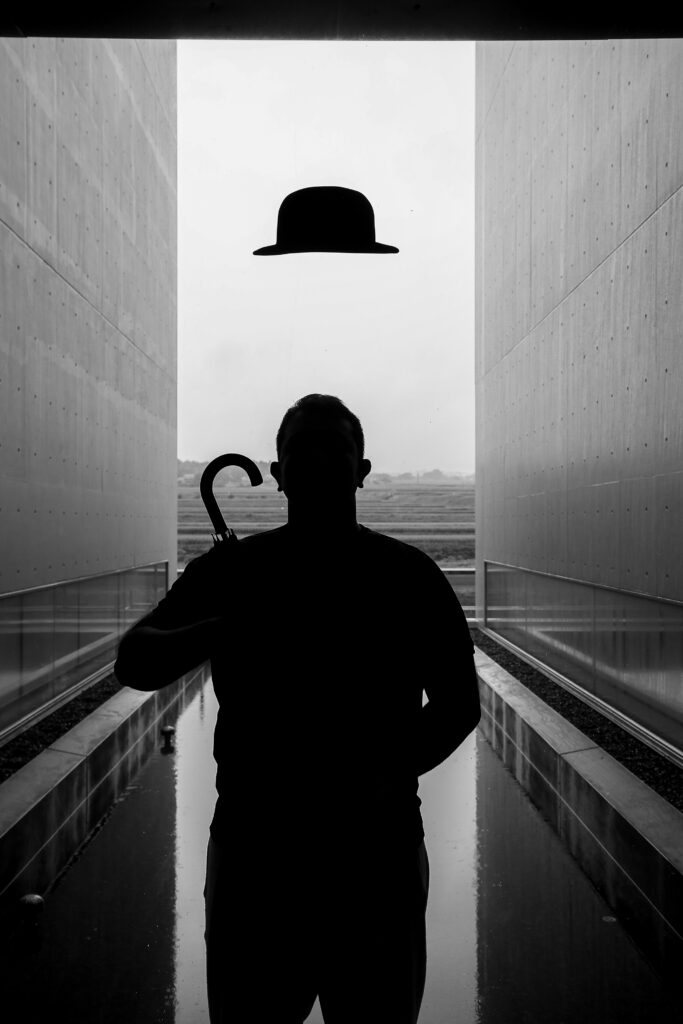
The Shoji Ueda Museum was built to preserve a photographer’s vision.
Unexpectedly, it also became part of the story through which I preserve my own.
References
Azoulay, A. (2008). The civil contract of photography. Zone Books.
Batchen, G. (2004). Forget me not: Photography and remembrance. Princeton Architectural Press.
Berger, J. (1980). About looking. Pantheon Books.
Japan National Tourism Organization. (n.d.). Shoji Ueda Museum of Photography. Retrieved May 26, 2026, from https://www.japan.travel/en/spot/939/
Kaneko, R., & Vartanian, I. (2009). Japanese photobooks of the 1960s and 70s. Aperture.
Pink, S. (2021). Doing visual ethnography (4th ed.). Sage.
Shoji Ueda Museum of Photography. (n.d.). Official website. Retrieved May 26, 2026, from https://www.japro.com/ueda/
Sontag, S. (1977). On photography. Farrar, Straus and Giroux.
Ueda, S. (1991). Shoji Ueda photographs. Kyoto Shoin.
Ueda, S. (2007). Shoji Ueda. Kyuryudo Art Publishing.
Vartanian, I. (Ed.). (2005). Setting sun: Writings by Japanese photographers. Aperture.
Wells, L. (Ed.). (2021). Photography: A critical introduction (6th ed.). Routledge.