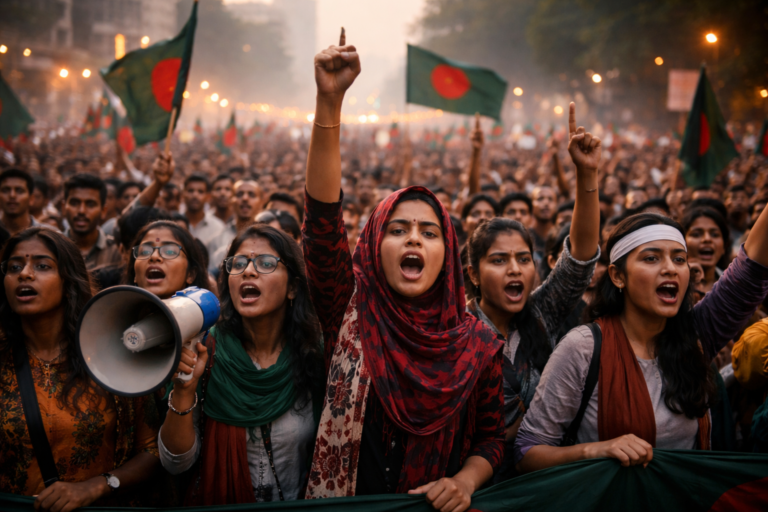
After July: Permanent Demand, Fragile Civil Society, and the Return of the Mob
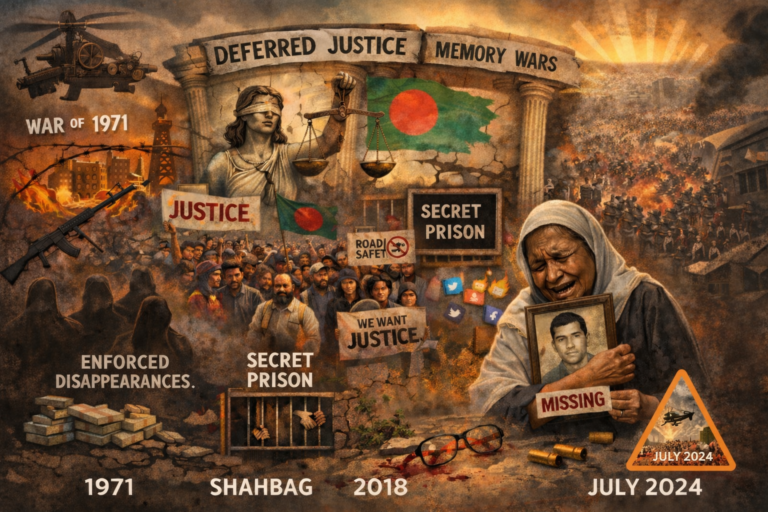
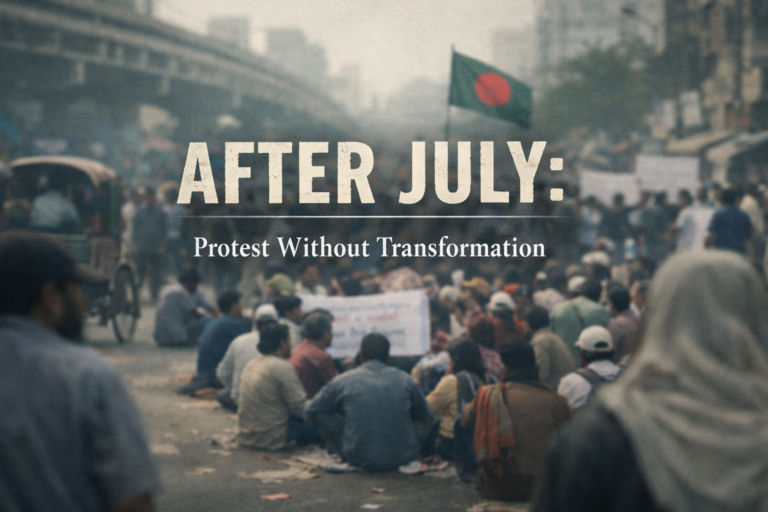
After July 2024, Bangladesh did not enter stability or revolution—but an era of permanent demand. This essay explains why protests persist without transformation.
A brief anthropological note Recent discussions around serial killing in Bangladesh have raised an important but easily misunderstood question. The issue is not whether serial killing is widespread—it is not—but how certain forms of violence become recognizable as patterns in the first place. In Bangladesh, identified cases of serial killing remain rare. That is a…
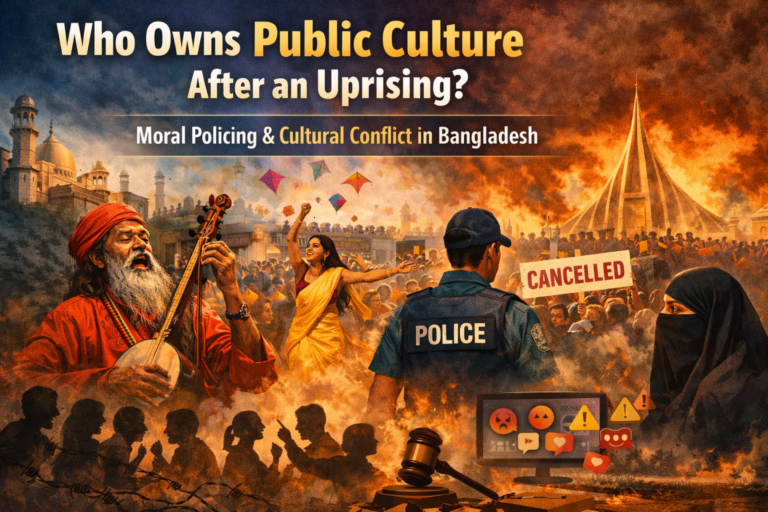
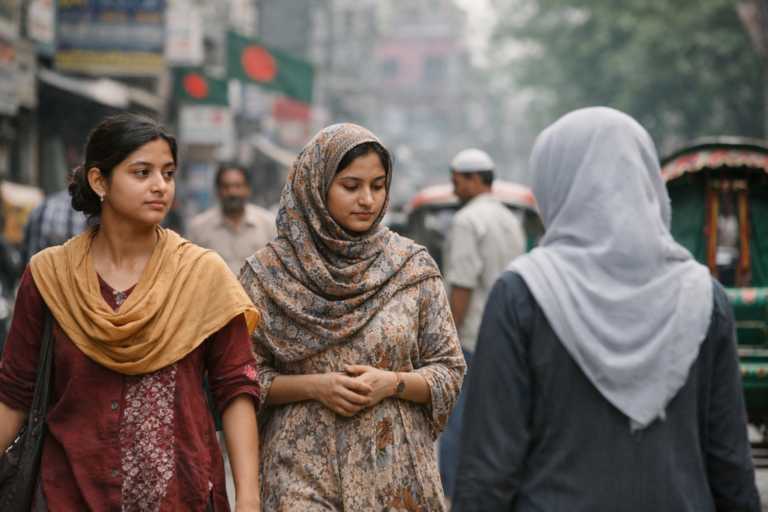
In post–July 2024 Bangladesh, women’s religious visibility has become a site of political struggle. This essay shows how moral anxiety, victimhood narratives, and power converge—and why forcing women into “secular” or “religious” roles is itself a form of coercion.
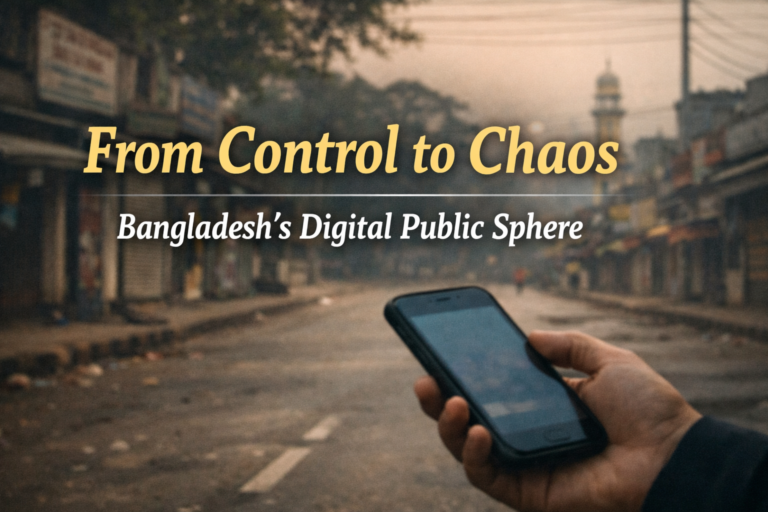
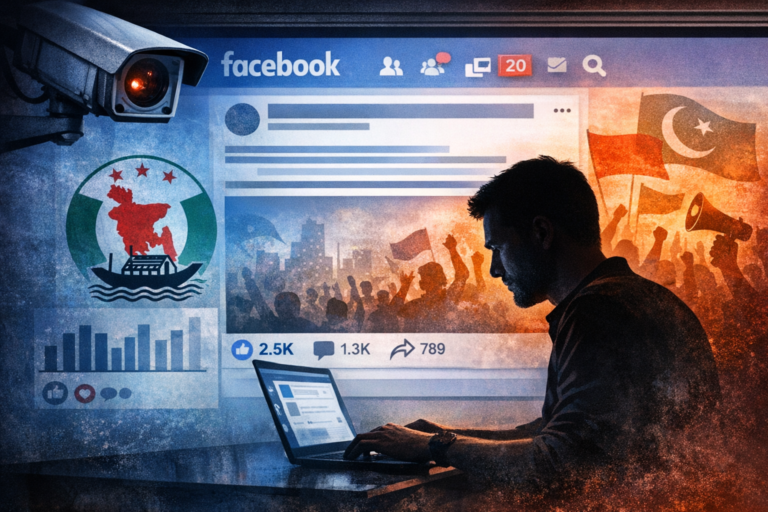
In Bangladesh, Facebook posts no longer express opinion—they function as proof of loyalty. This essay examines visibility, surveillance, and populism in intellectual life.
Why relationships after 40 feel fragile in Dhaka—where class, migration, religion, and gigacity life quietly reshape intimacy.
From light to code to language: photography is mutating into promptography. This canonical essay traces how image-making has shifted technologically and politically—and why the consequences are sharper in Bangladesh and the Global South.
How dopamine-driven social media addiction is reshaping offline behavior, morality, youth culture, and intergenerational ethics—globally and in Bangladesh.
একটি জায়গা, যেখানে না-থাকার মধ্যেই টান তৈরি হয়।
একটি বাইক সারানোর গল্প দিয়ে শুরু হয়ে ঢাকার জ্যাম, ব্যক্তিগত শোক, কবুতরের নেশা ও নগরের দূরত্বকে ছুঁয়ে যাওয়া একটি শহুরে গদ্য।
রাষ্ট্র যখন কেবল সরকার নয়, বরং ভাষ্কর হয়ে ওঠে—উন্নয়ন, কনভেনিয়েন্স ও নীরবতার ভেতর দিয়ে কীভাবে দৃষ্টি আটকে যায়, সেই প্রশ্নের কবিতা।