Who Owns Public Culture After an Uprising?
After an uprising, culture often carries what politics cannot. This essay explores how music, festivals, clothing, and public joy become contested sites in post-uprising Bangladesh.
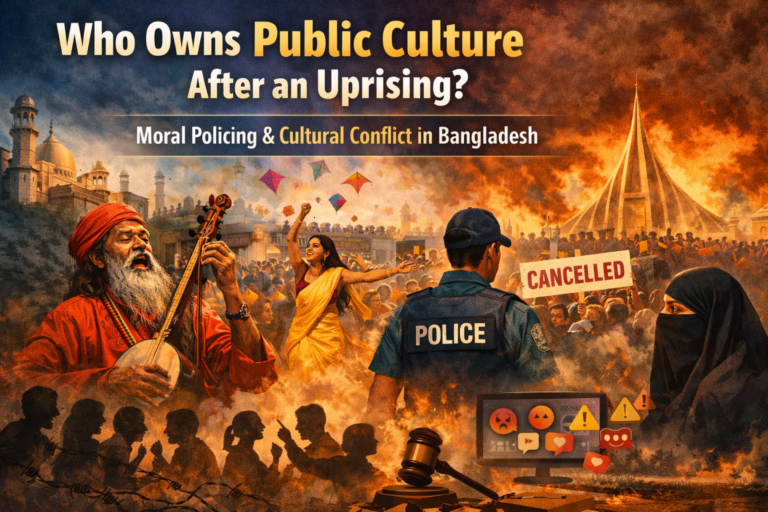
After an uprising, culture often carries what politics cannot. This essay explores how music, festivals, clothing, and public joy become contested sites in post-uprising Bangladesh.
A brief anthropological note Recent discussions around serial killing in Bangladesh have raised an important but easily misunderstood question. The issue is not whether serial killing is widespread—it is not—but how certain forms of violence become recognizable as patterns in the first place. In Bangladesh, identified cases of serial killing remain rare. That is a…
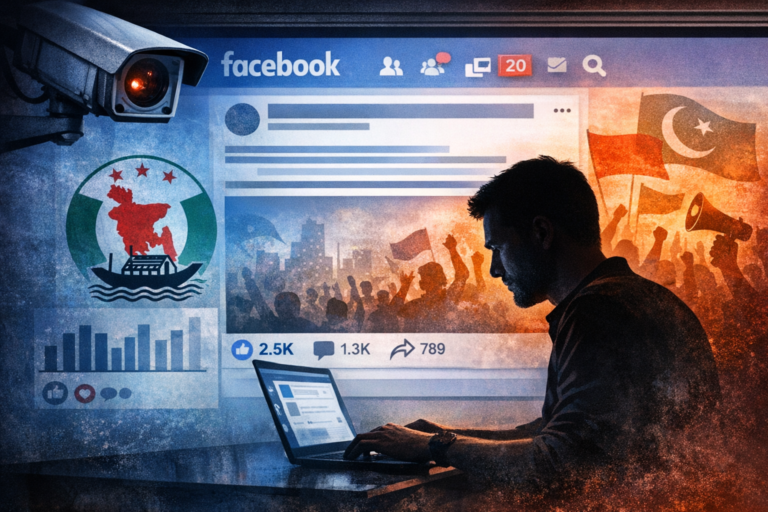
In Bangladesh, Facebook posts no longer express opinion—they function as proof of loyalty. This essay examines visibility, surveillance, and populism in intellectual life.
From light to code to language: photography is mutating into promptography. This canonical essay traces how image-making has shifted technologically and politically—and why the consequences are sharper in Bangladesh and the Global South.
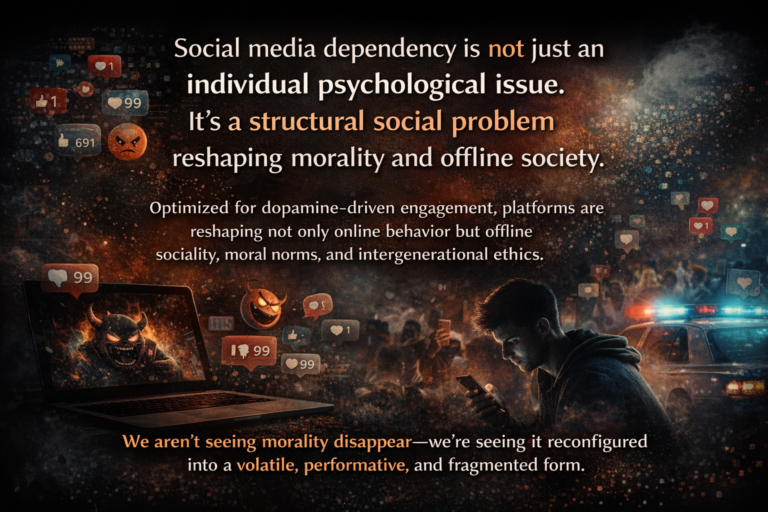
How dopamine-driven social media addiction is reshaping offline behavior, morality, youth culture, and intergenerational ethics—globally and in Bangladesh.
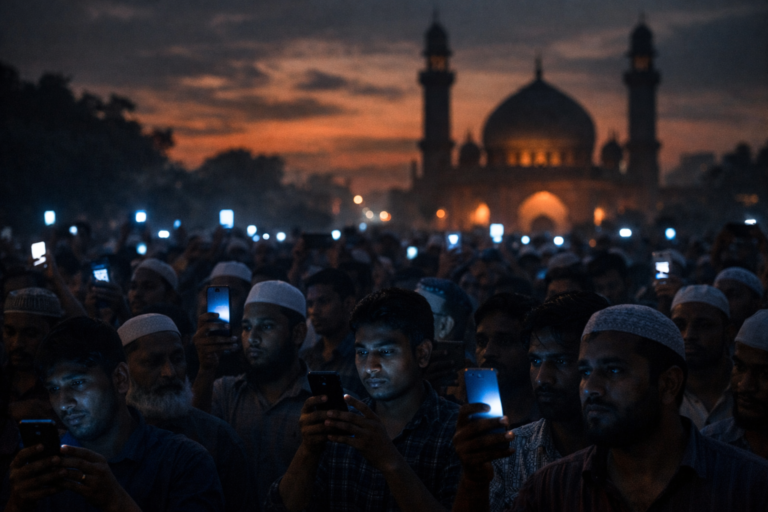
How subalternity, social media, and religion intersect in Bangladesh, producing Islamophobia, Islamo-fascism, and new forms of authoritarian power.
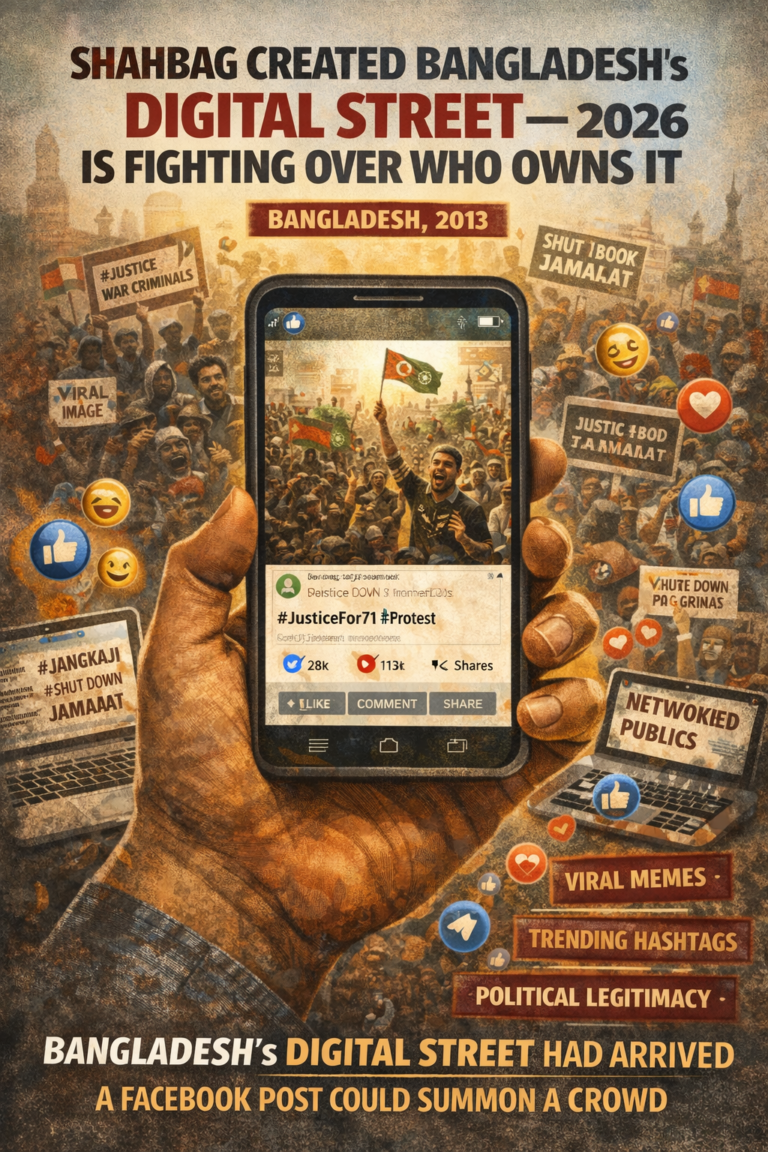
In 2013, Bangladesh’s politics changed forever—not in parliament, but on Facebook. The Shahbag movement created the country’s first digital street, where legitimacy was produced through visibility, circulation, and attention rather than organisations or party hierarchies. Thirteen years later, as the 2026 election approaches, that unresolved digital terrain has become the central battleground of politics—louder, faster, and far more manipulated, but still decisive.
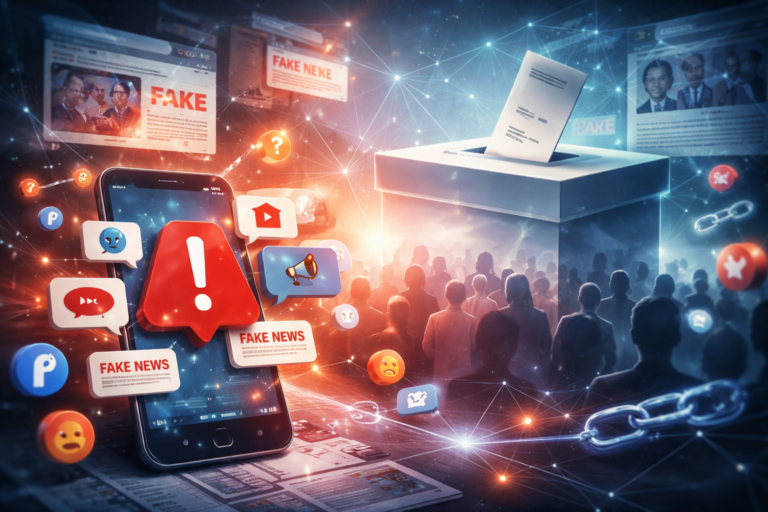
How misinformation, disinformation, and malinformation shape elections not only by spreading falsehoods, but by governing fear, silence, and moral belonging in digital political life.
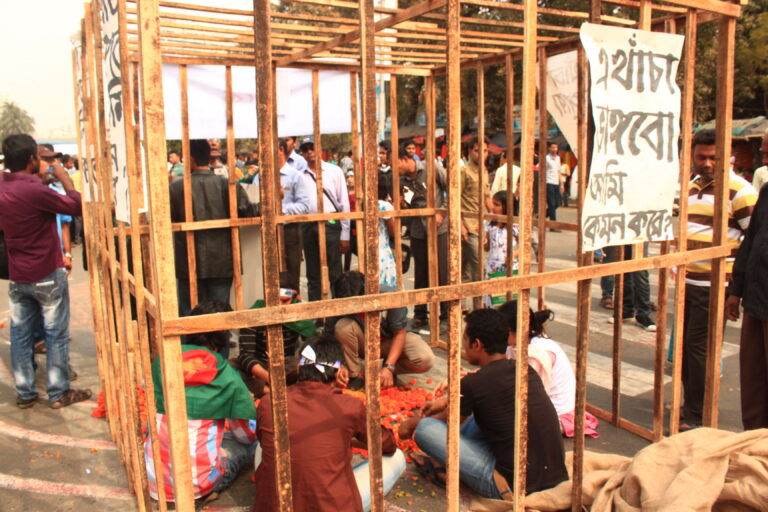
“An anthropological reading of public assemblies in post–July 2024 Bangladesh, examining how presence, legitimacy, and institutional fragility interact.”