After Control and Chaos
Bangladesh has moved from digital censorship to speech chaos—but repeal alone cannot repair the damage. This essay explores what real repair would require: legally, institutionally, and socially.
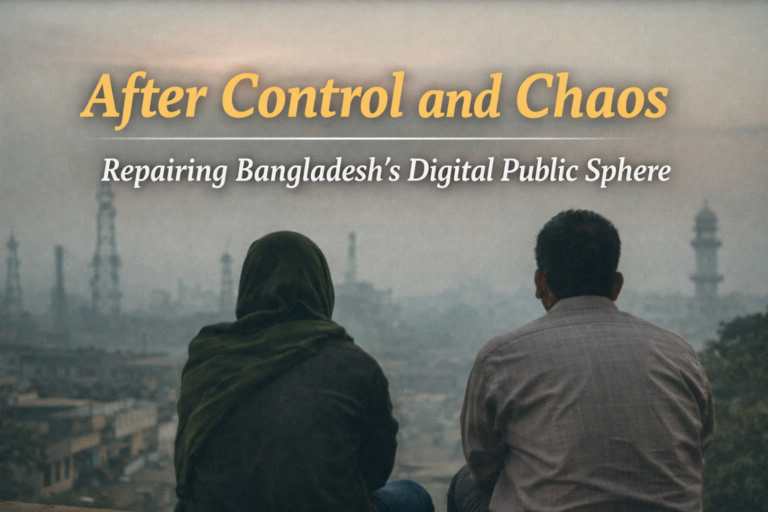
Bangladesh has moved from digital censorship to speech chaos—but repeal alone cannot repair the damage. This essay explores what real repair would require: legally, institutionally, and socially.
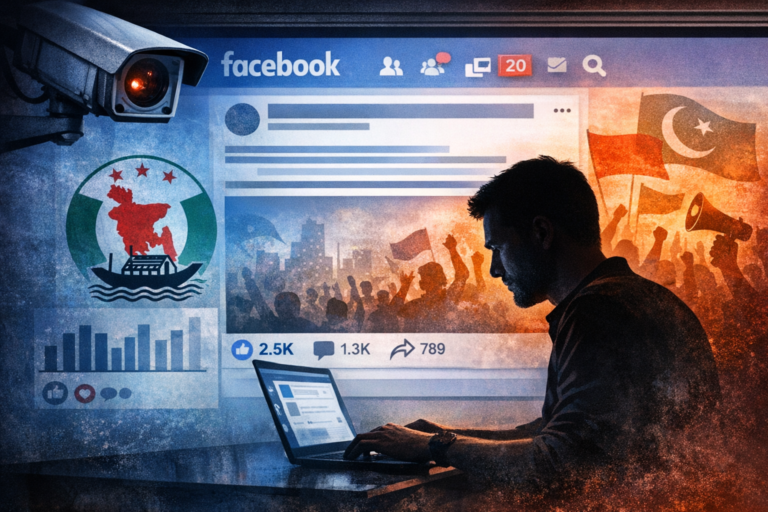
In Bangladesh, Facebook posts no longer express opinion—they function as proof of loyalty. This essay examines visibility, surveillance, and populism in intellectual life.
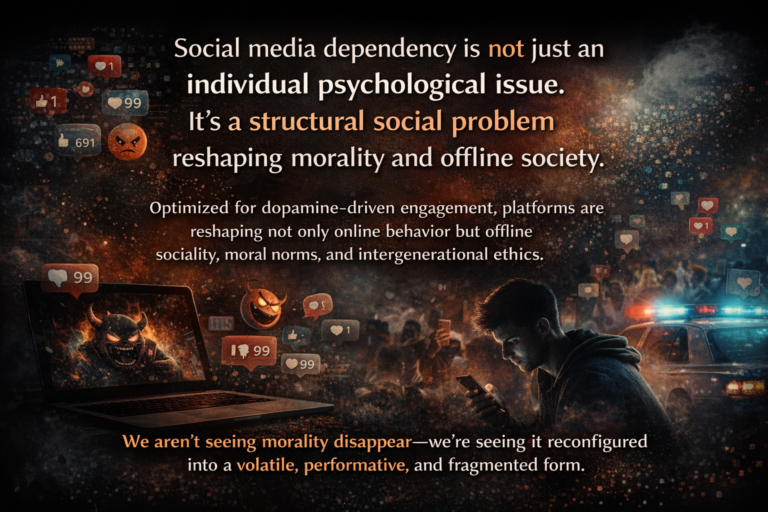
How dopamine-driven social media addiction is reshaping offline behavior, morality, youth culture, and intergenerational ethics—globally and in Bangladesh.
July was not merely a political rupture in Bangladesh—it was a moral one. What collapsed was not only confidence in institutions, but the authority of a party-managed version of “secular” legitimacy that had long governed public life. In the vacuum that followed, moral authority began to circulate elsewhere: through religion, language, digital commerce, and everyday social structures. As the country approaches an election, the struggle is no longer only over votes, but over who gets to define the “good Muslim,” and with it, legitimacy, belonging, and power. This essay argues that Islamic populism did not arise despite authoritarian rule, but through it—and that July activated a moral infrastructure whose consequences will outlast the ballot box.