Bangladesh: Culture, Faith & Everyday Life | Critical Essays | Digital Politics & Public Sphere | Digital Society, Work & AI
Martyrdom Without Sovereignty: When Death Does Not Rupture Power
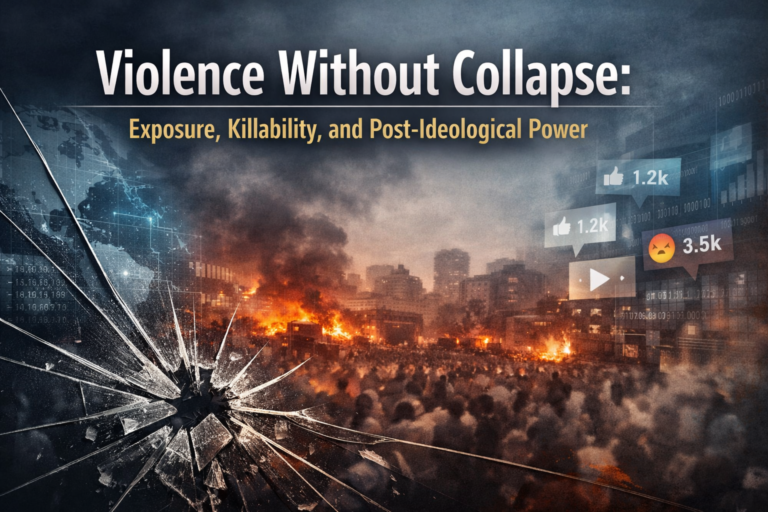
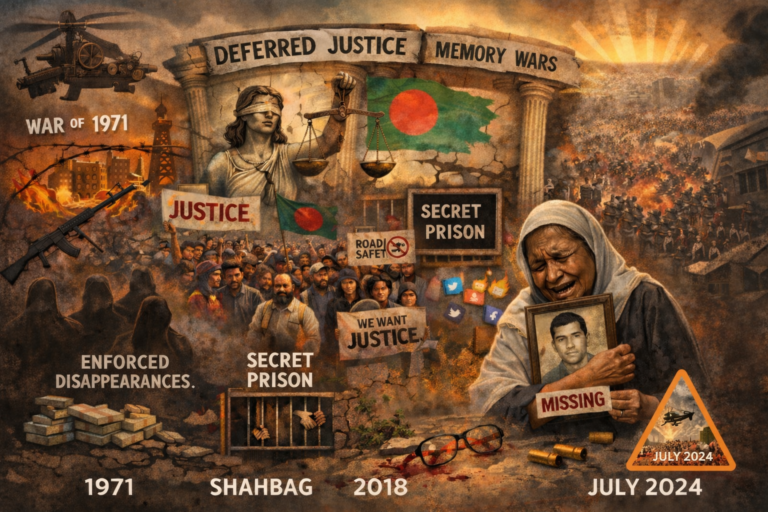
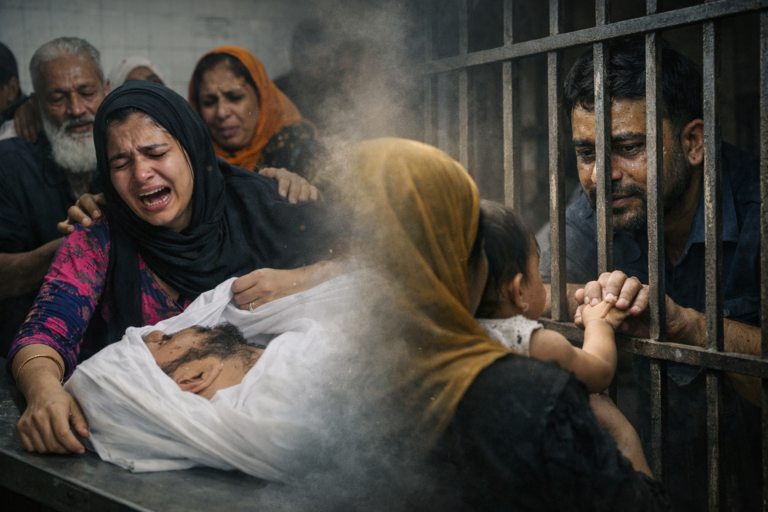
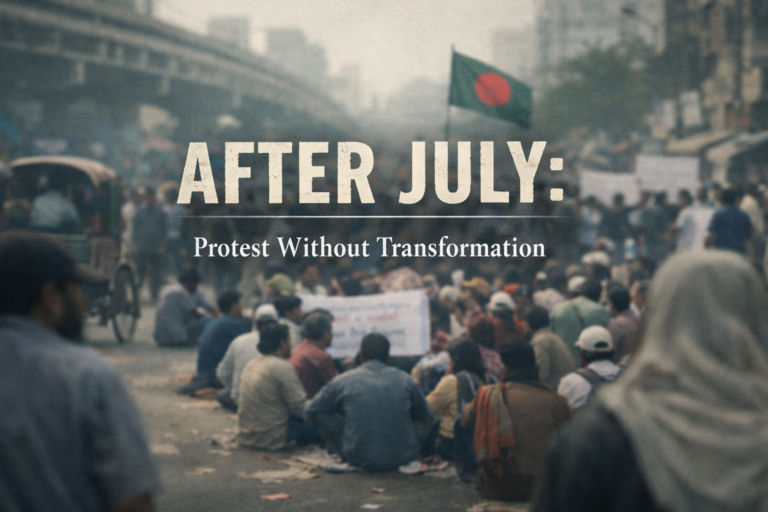
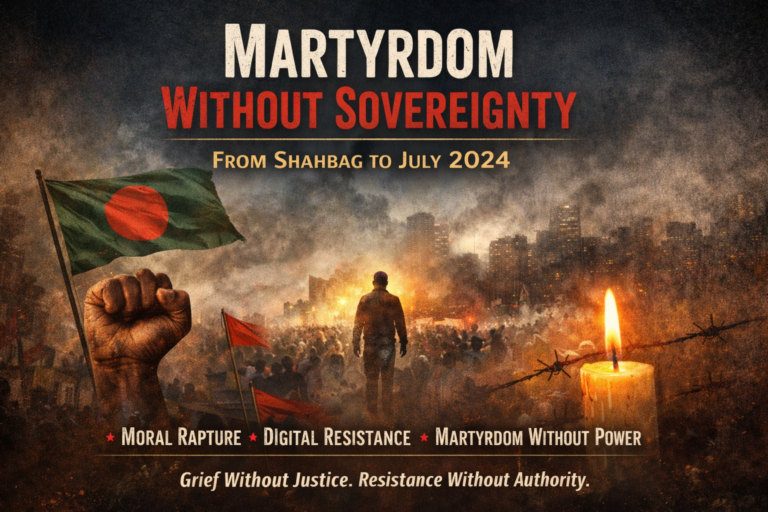
The killing of Osman Hadi did not rupture power in Bangladesh. It produced grief, outrage, deadlines, and moral clarity—without sovereignty. From Shahbag to July 2024 and beyond, moments of ethical intensity repeatedly fail to convert into institutional authority. This essay argues that Bangladesh has entered a political condition where resistance persists, rapture circulates, bodies are exposed, and power survives—unchanged.