Visual Anthropology, Documentary Practice & Public Memory
Photography, for me, is not an aesthetic add-on; it is a method of anthropological inquiry. My work engages with everyday life, political movements, urban transformations, and moments of rupture through long-term observation and ethical visual practice. Situated at the intersection of visual anthropology, documentary photography, and critical social analysis, my photographic work explores how power, memory, and belonging are lived, embodied, and seen.
This practice has evolved alongside my teaching and research, particularly through my long-standing engagement with Counter Foto – A Centre for Visual Arts, where I have been teaching Visual Anthropology since 2014.
🏫 Visual Anthropology at Counter Foto – A Centre for Visual Arts
Instructor | 2014 – Present
Since 2014, I have been teaching Visual Anthropology at Counter Foto, where photography is approached as a research method, not merely a representational skill. The course foregrounds anthropology’s core concerns—ethics, power, context, and lived experience—and translates them into visual practice.
My pedagogy emphasizes slow looking and long-term engagement over event-driven image-making. Students are trained to read images critically, situate photographs within social histories, and understand the responsibilities involved in representing people, places, and moments of vulnerability.
Core pedagogical commitments include:
- Photography as ethnographic fieldwork
- Ethics of representation and consent
- Contextual analysis beyond the frame
- Visual storytelling grounded in social relations
- Reflexivity: the photographer as situated observer
Over the years, this teaching has contributed to a generation of photographers and visual researchers who work across documentary, journalism, research, and public exhibitions. My own photographic practice continually circulates between classroom, fieldwork, exhibition space, and publication, reinforcing a sustained dialogue between theory and practice.
THEMATIC PHOTOGRAPHIC WORKS
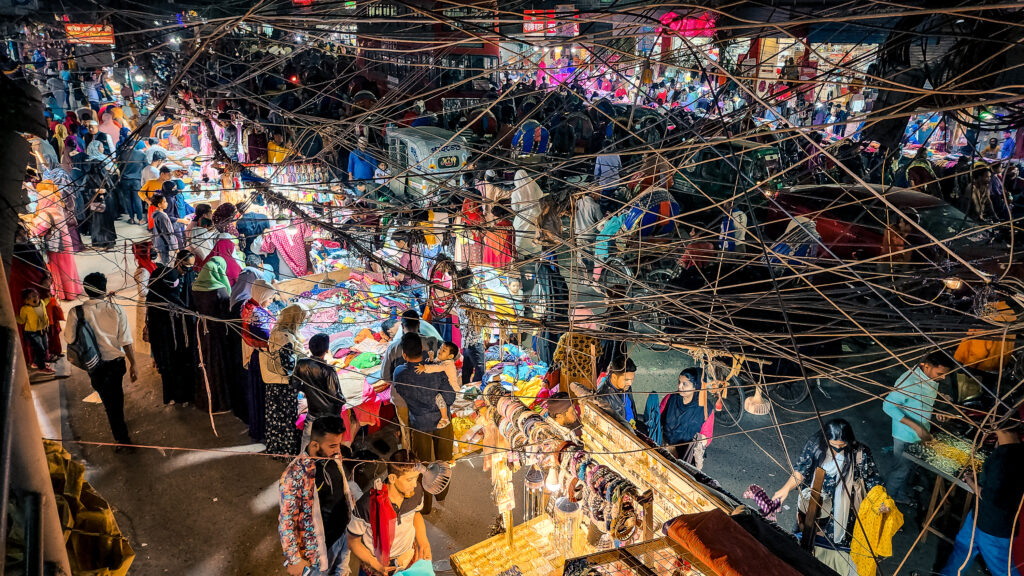
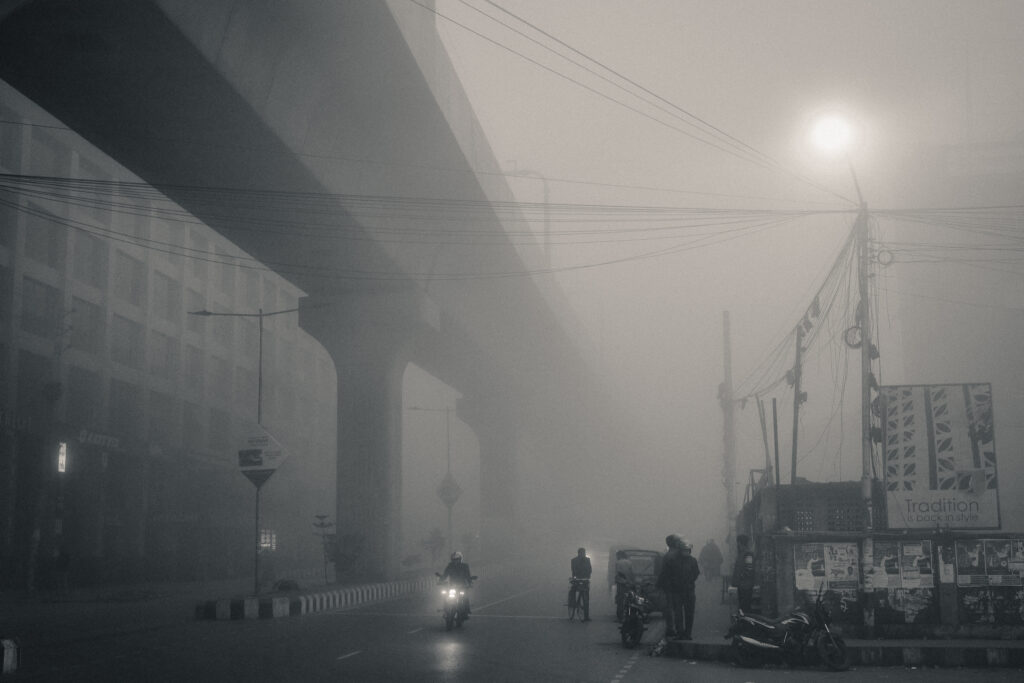
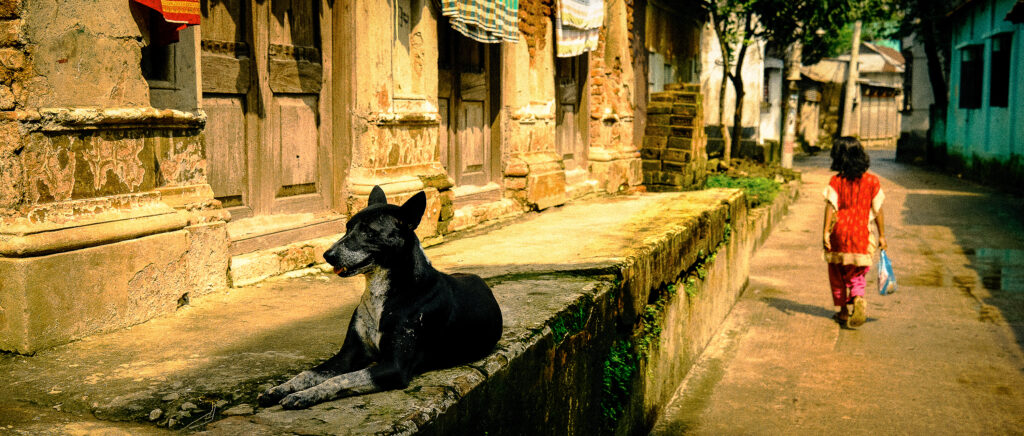
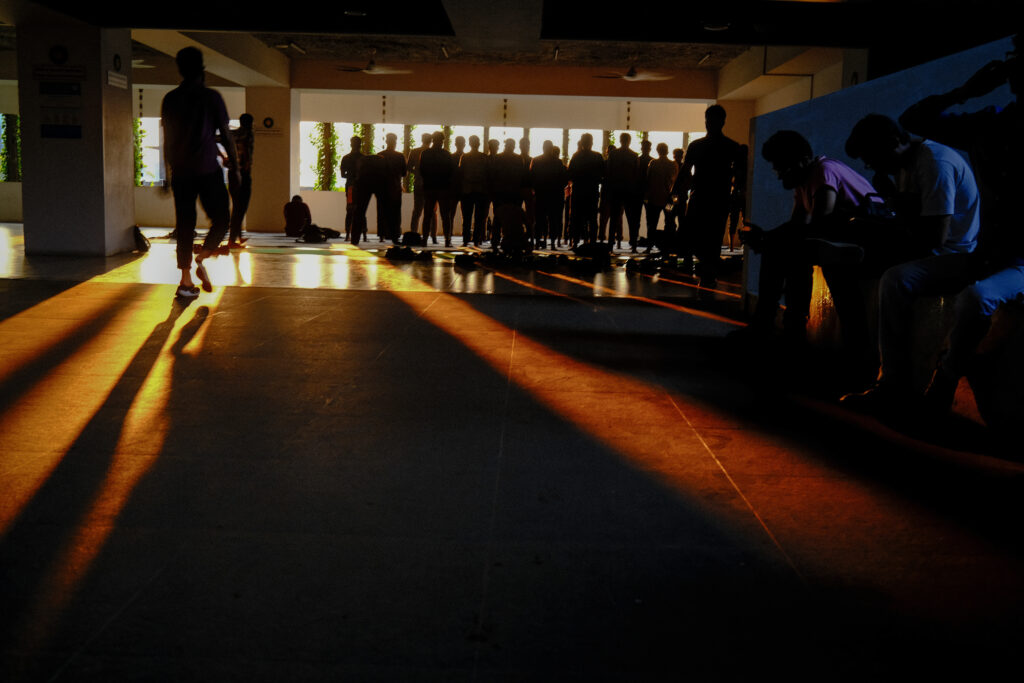
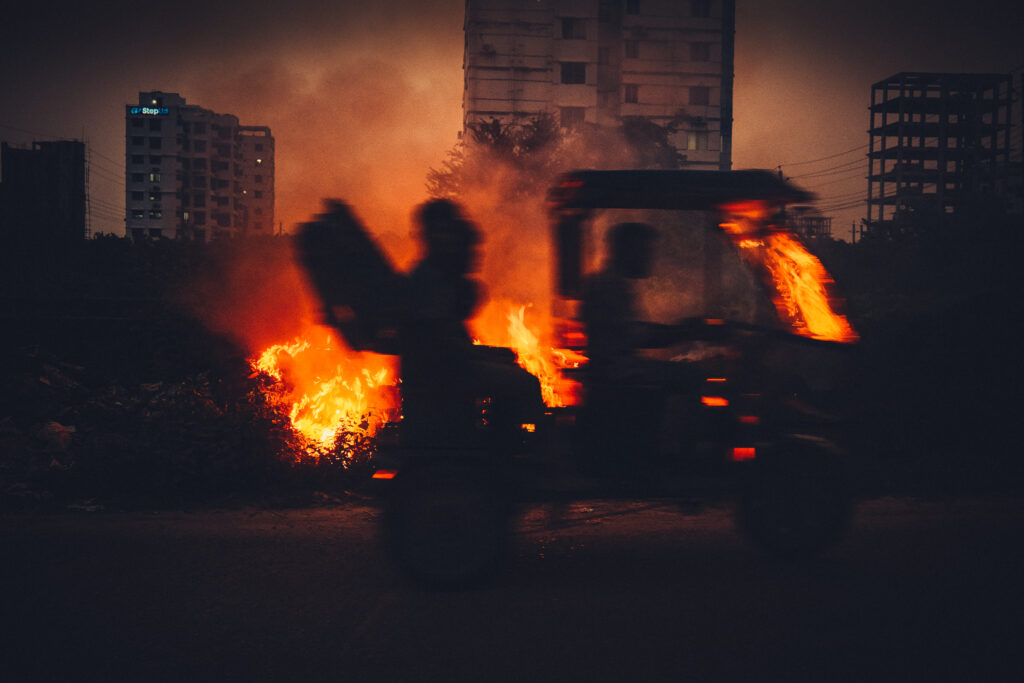
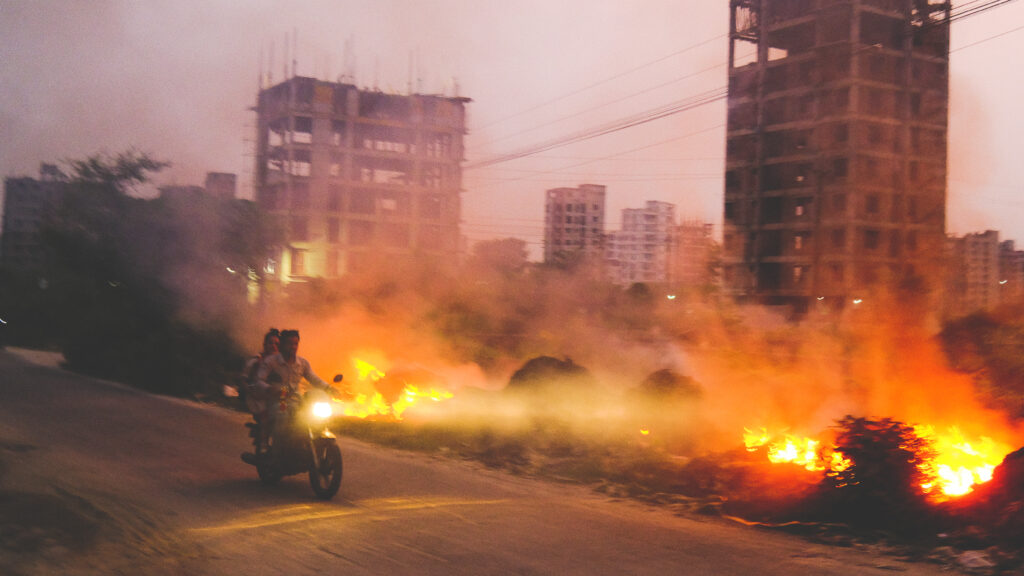
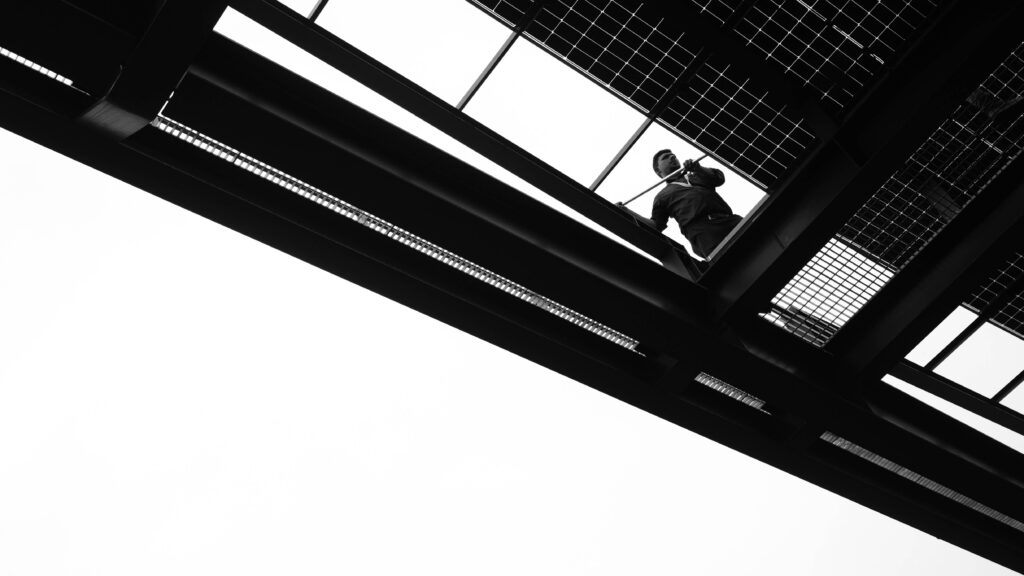
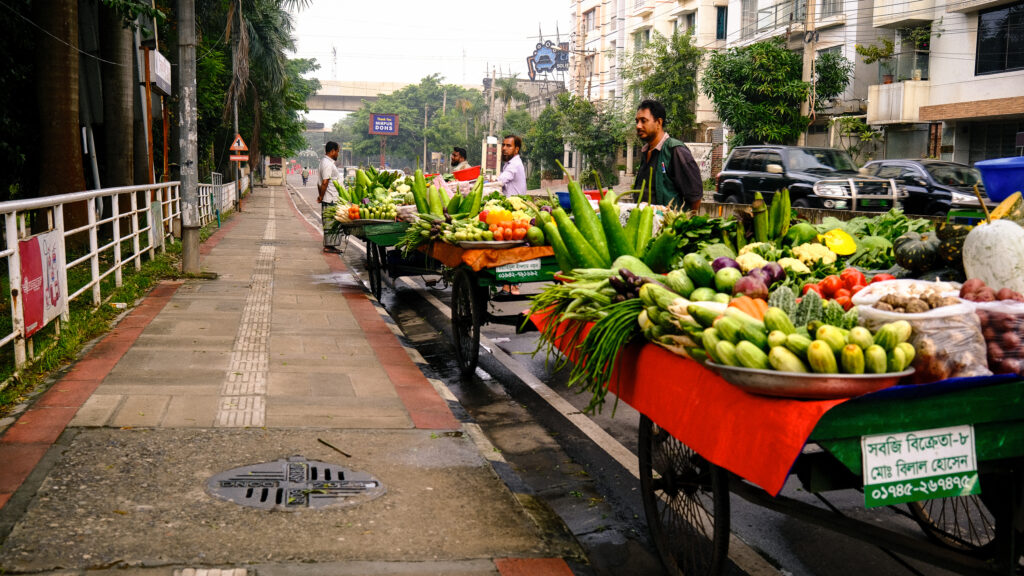
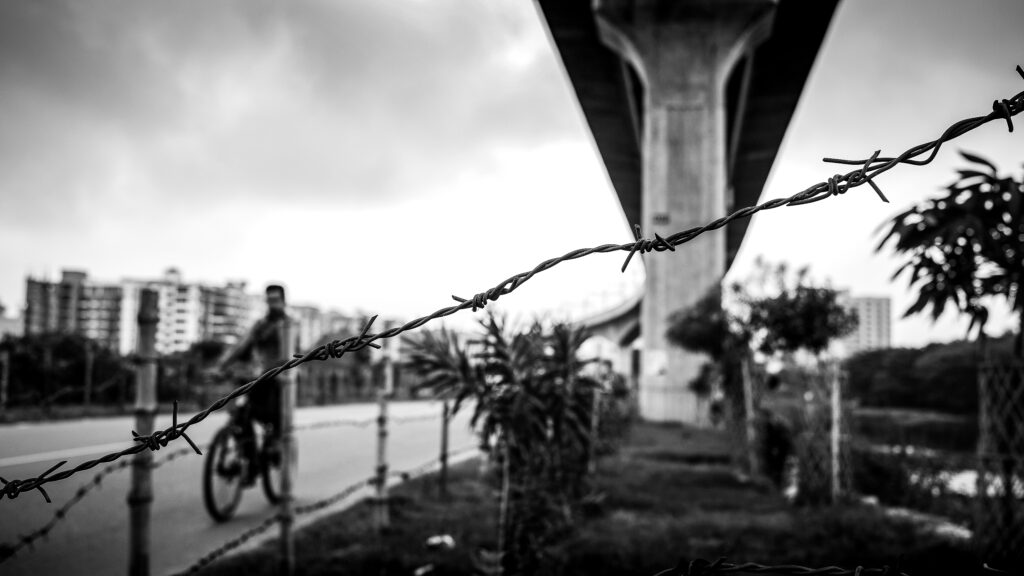
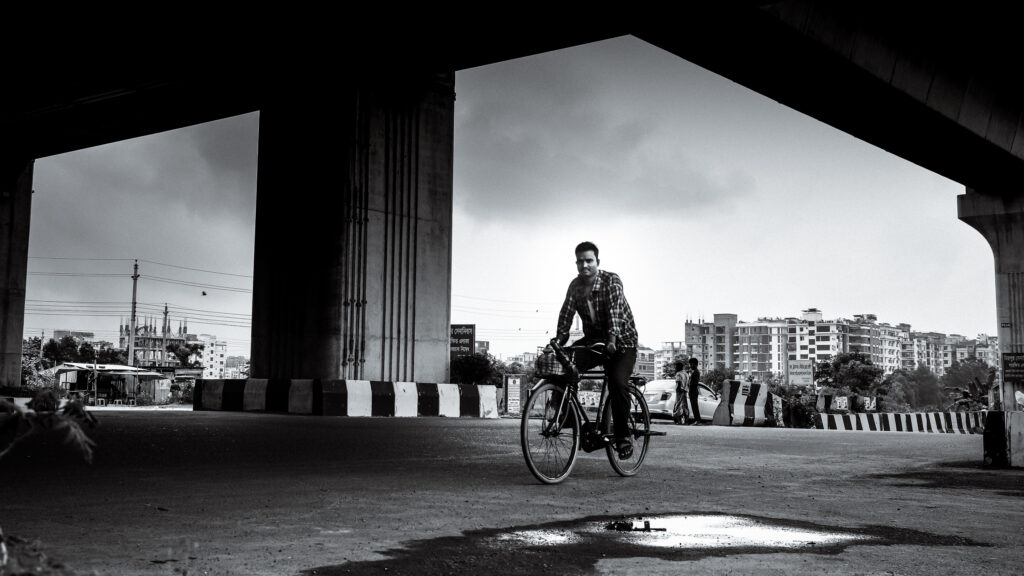
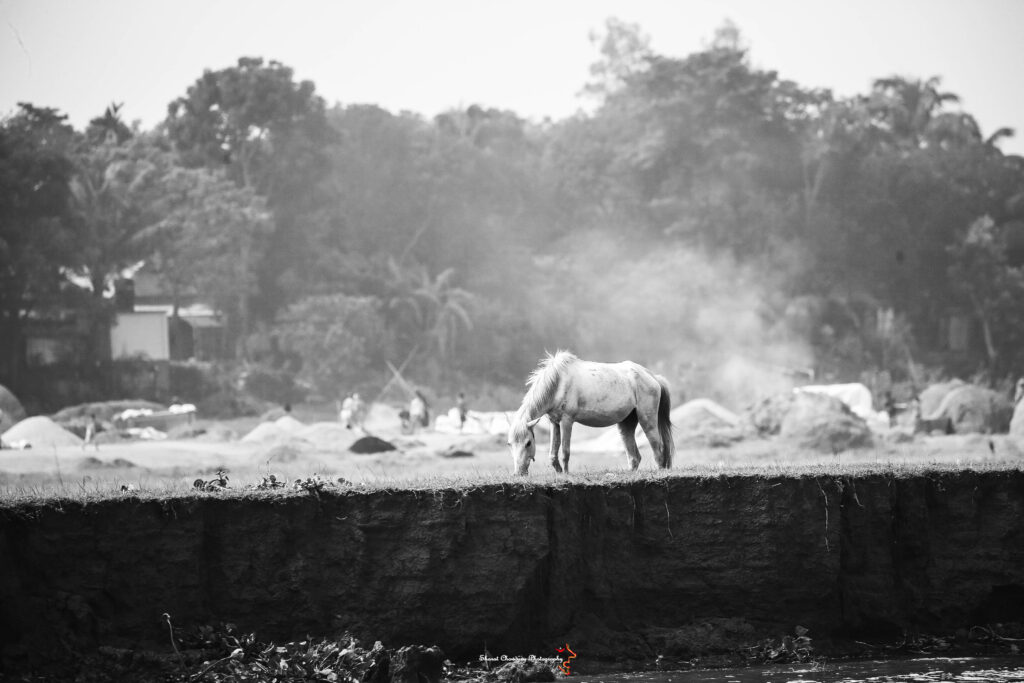
Everyday Life & Street Encounters
Urban Bangladesh · Japan · Transit spaces
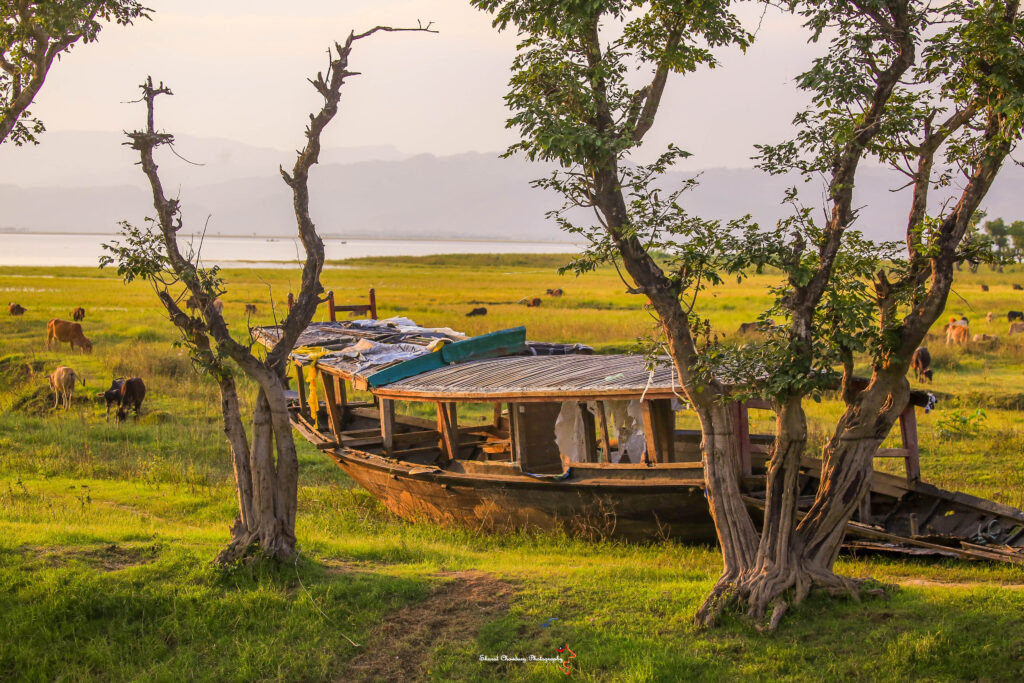
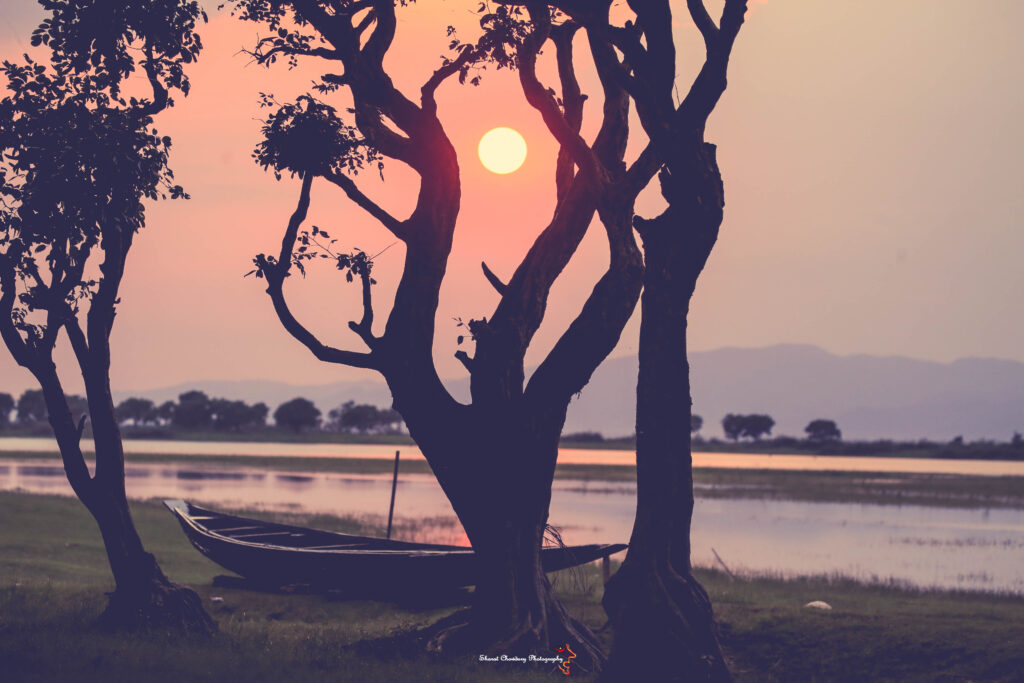
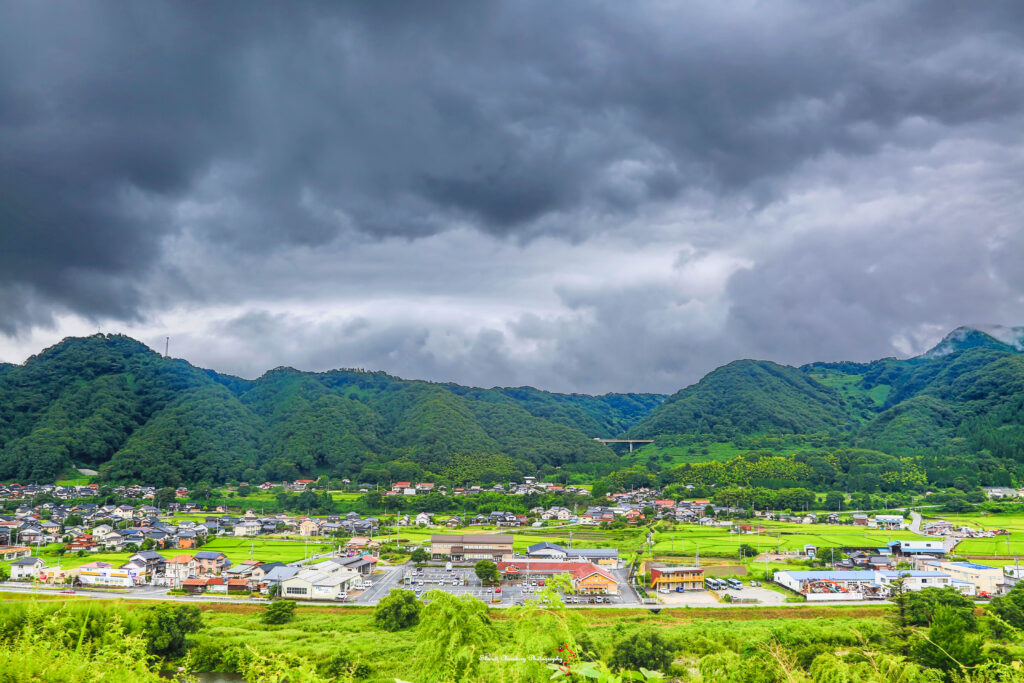
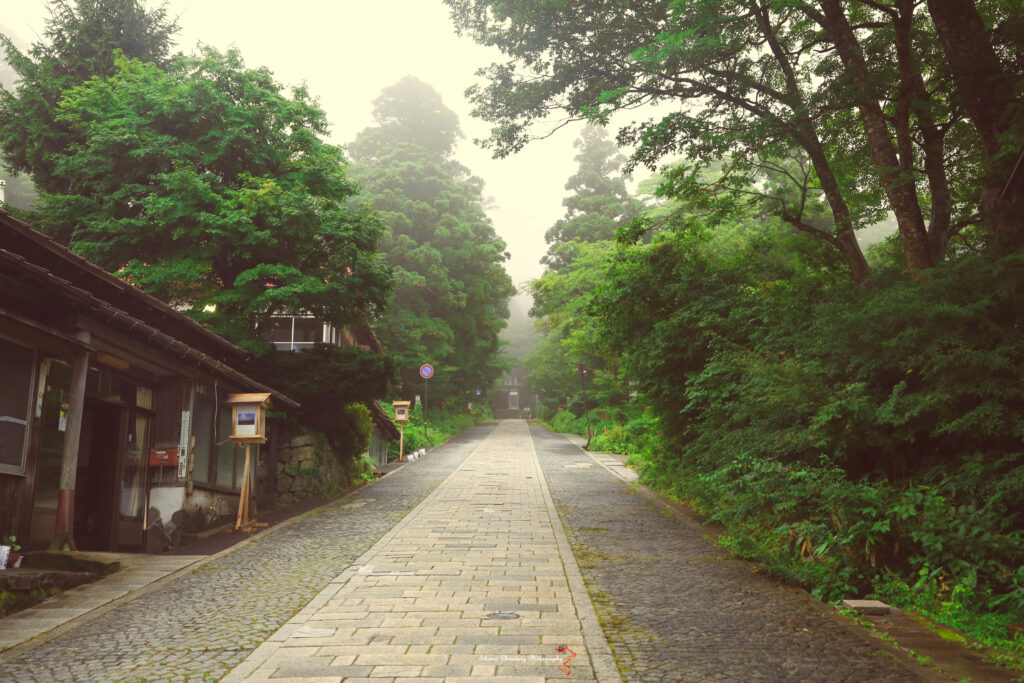
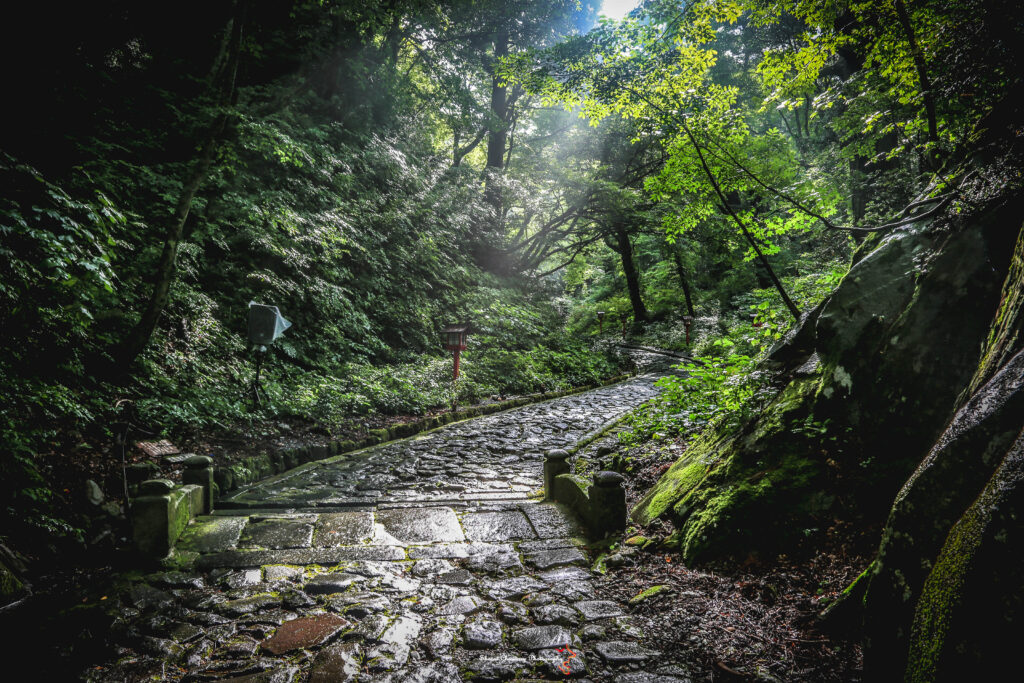
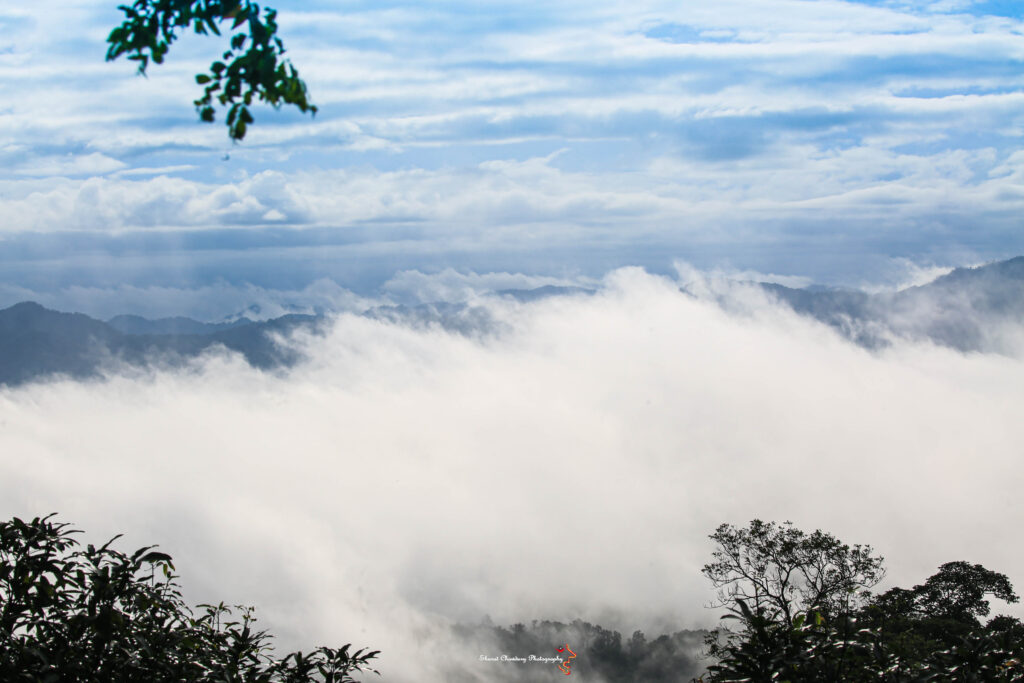
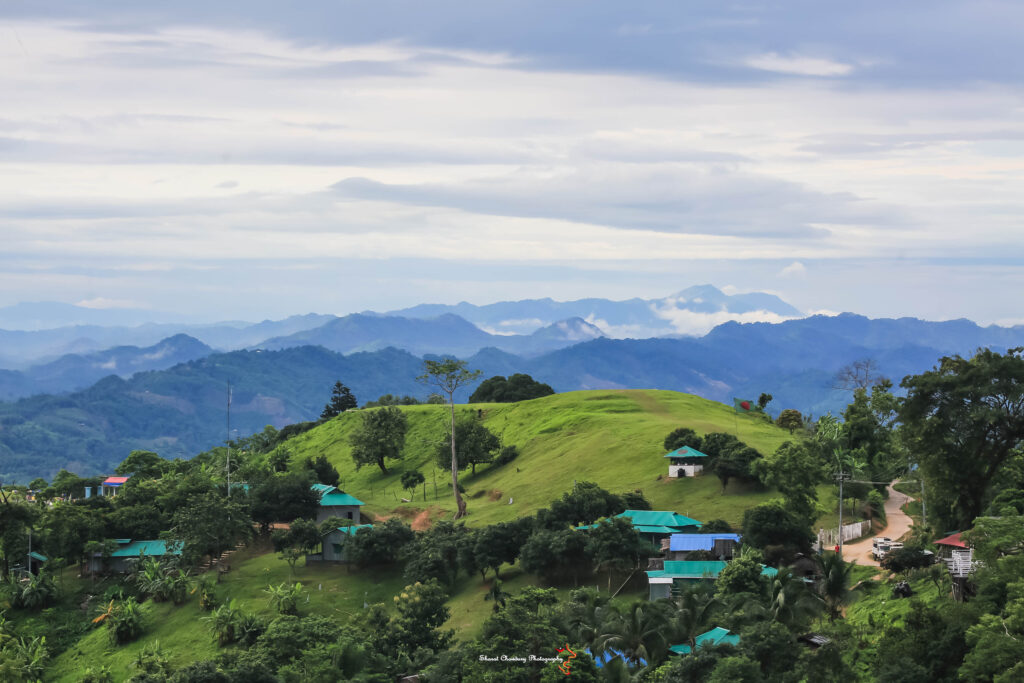
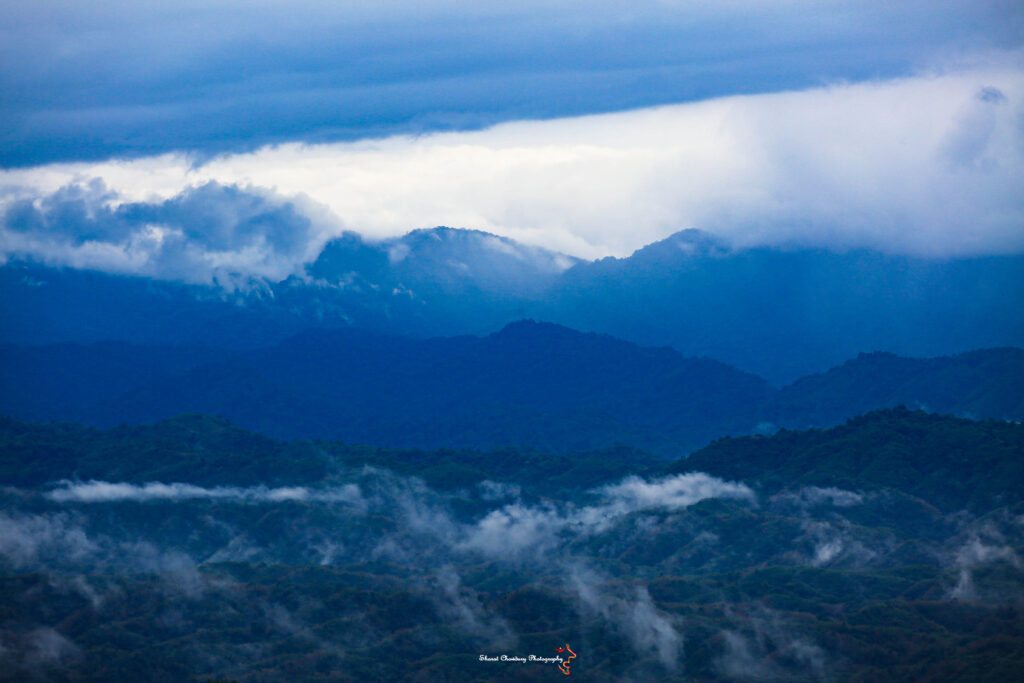
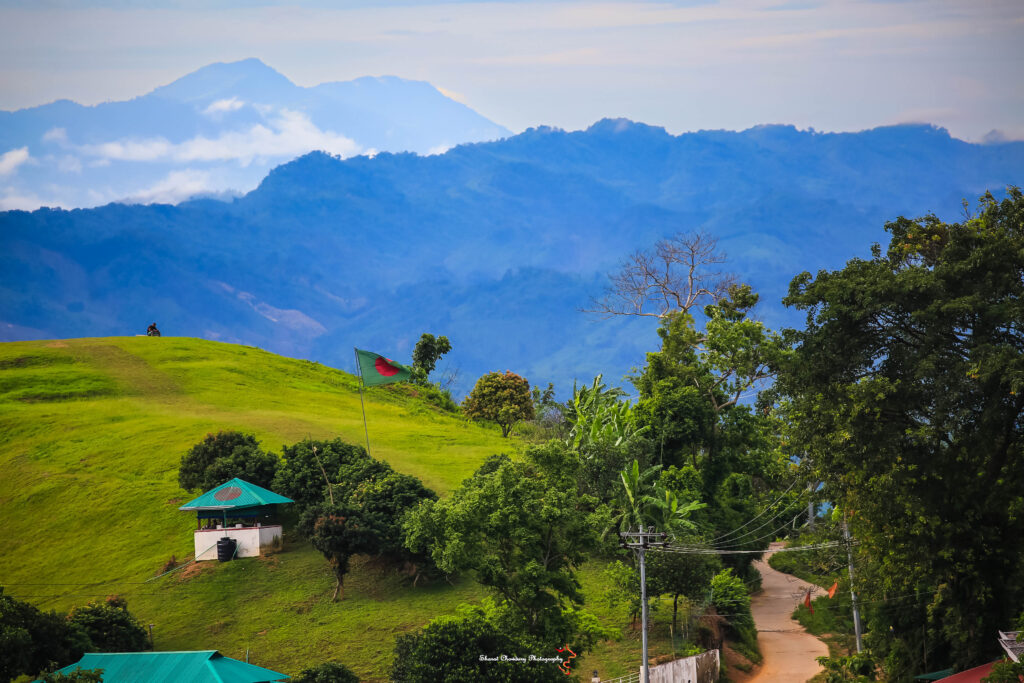
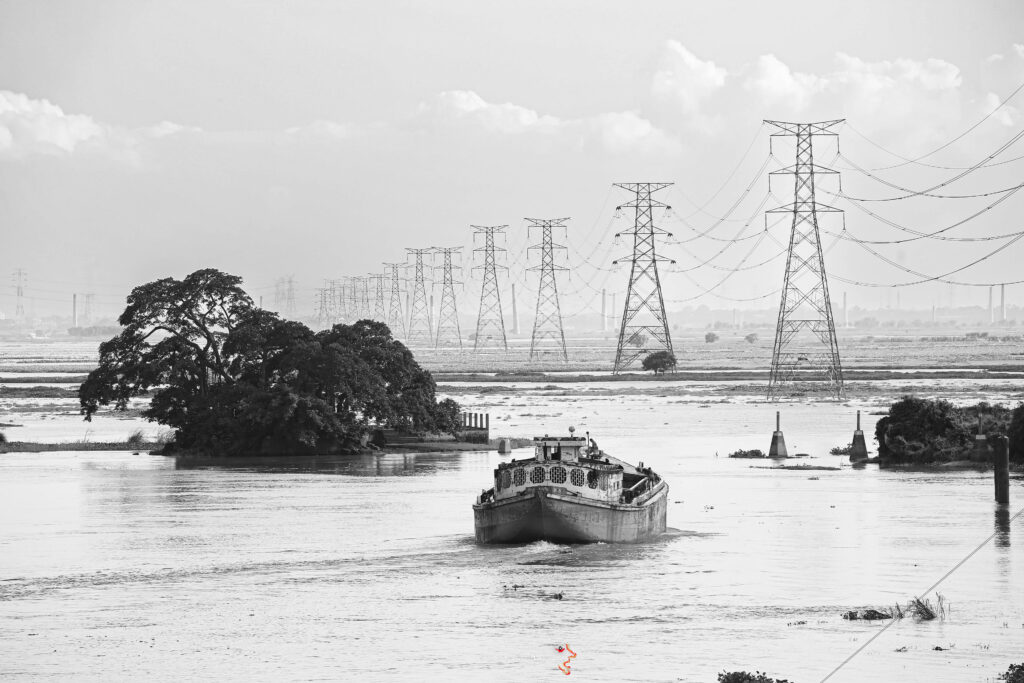
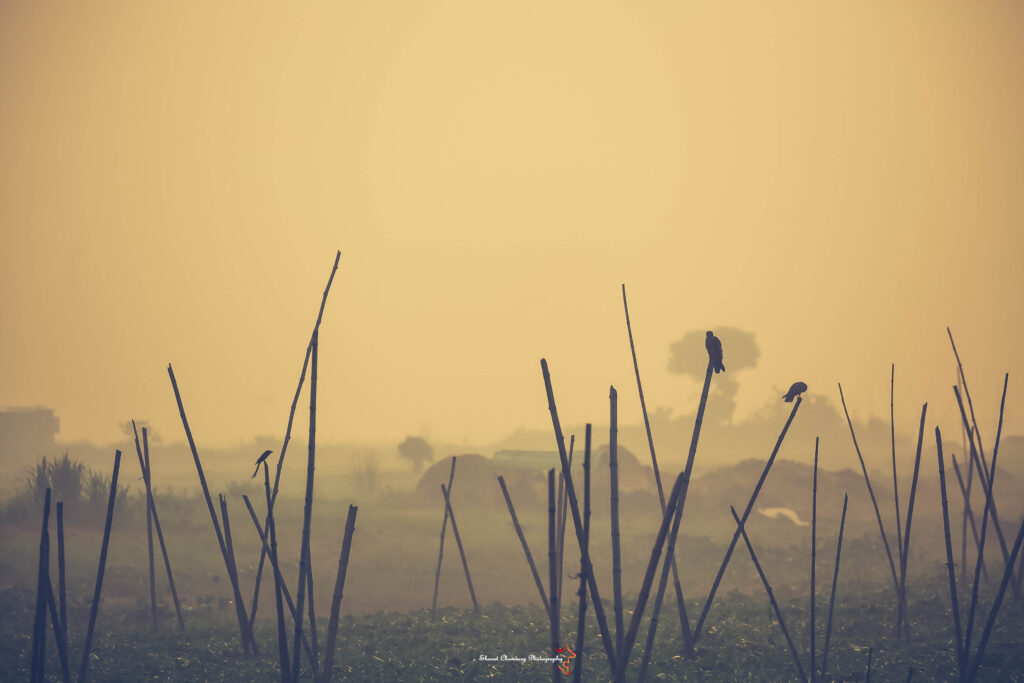
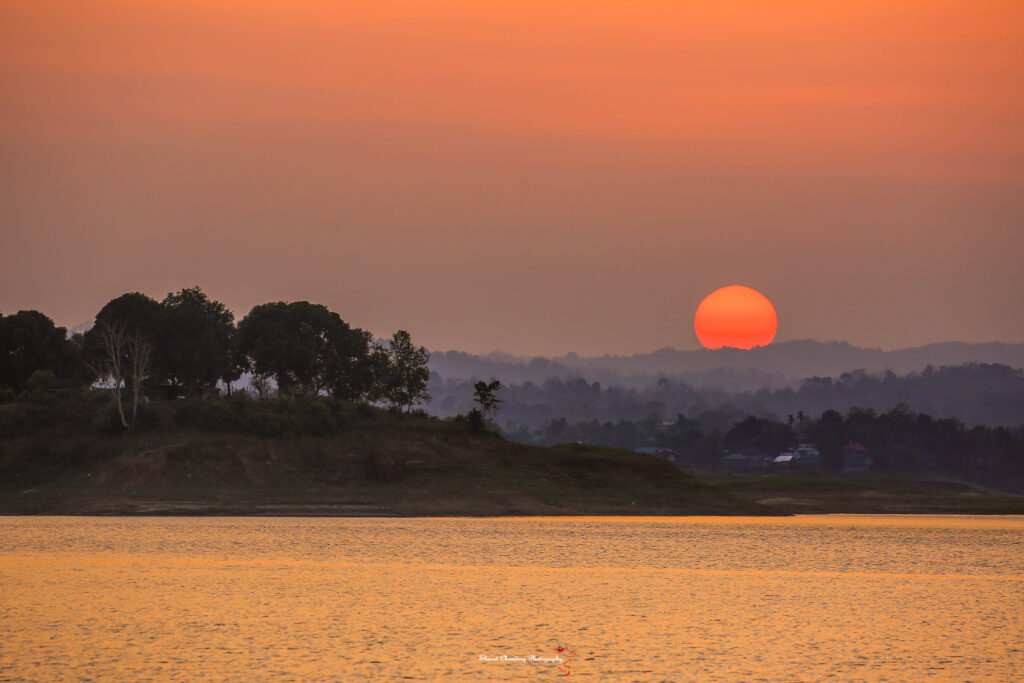
Landscapes, Silence & Thresholds
Japan · Sundarbans · Liminal spaces
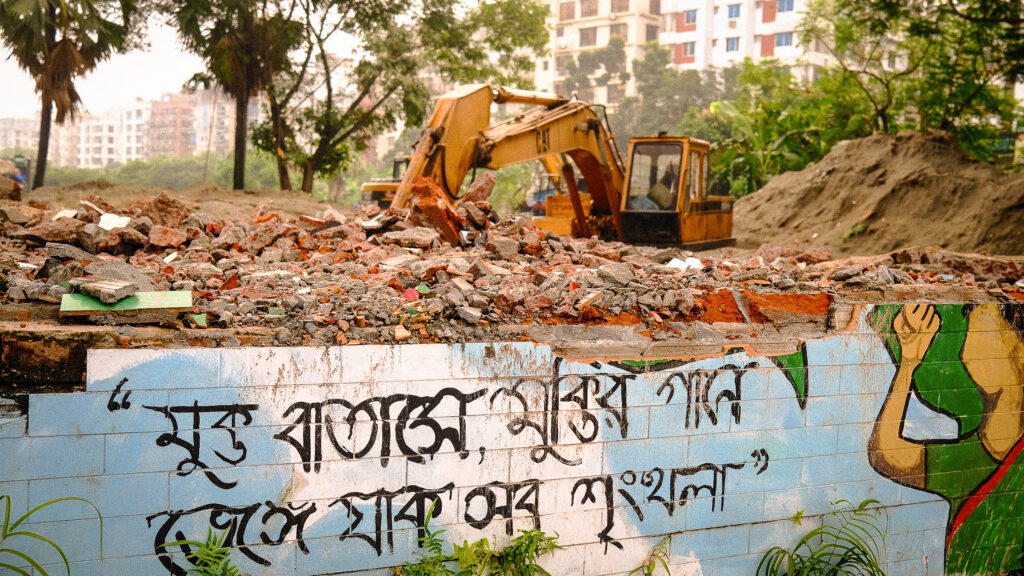
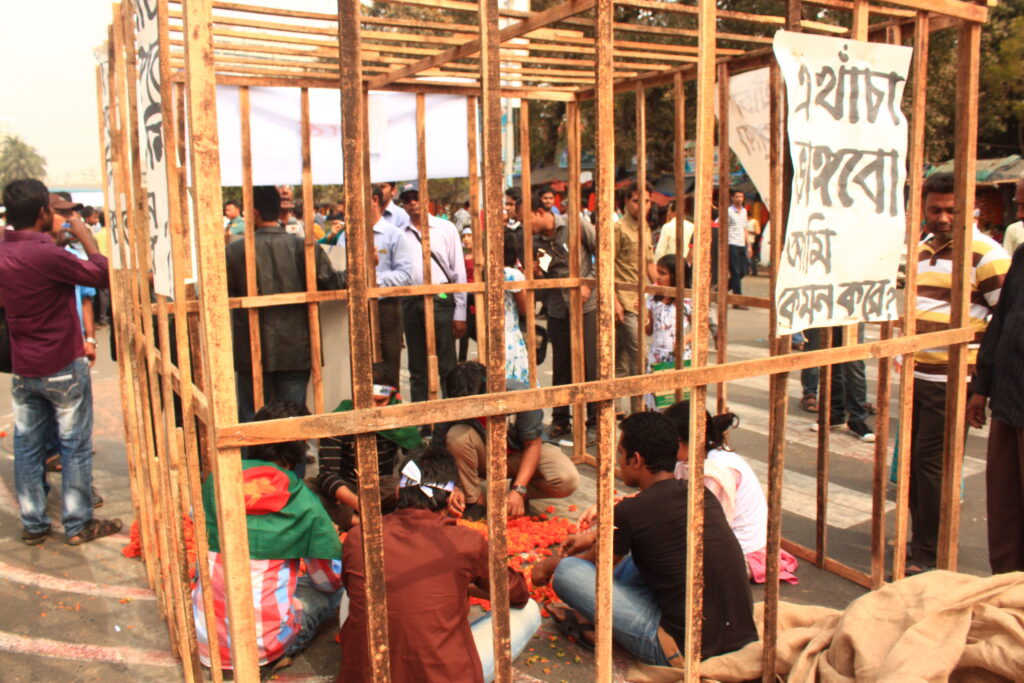
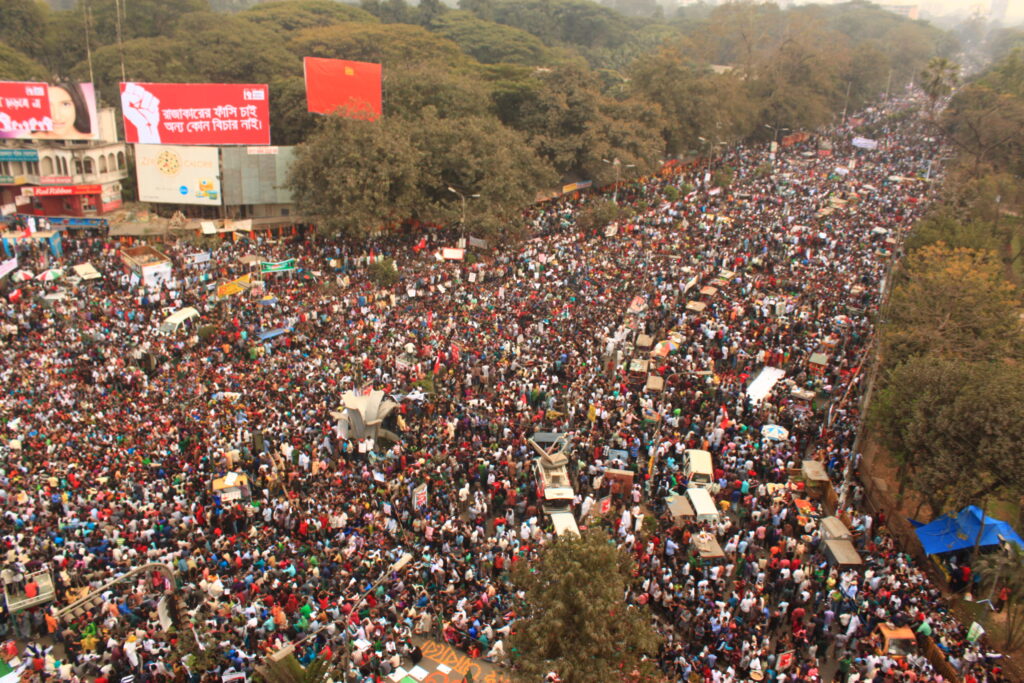
Movements, Memory & Political Time
Photography as Research, Teaching & Public Anthropology
My photographic practice functions as an extension of my anthropological research and pedagogy. Rather than treating images as illustrations, I approach photography as a mode of inquiry—a way of generating knowledge about everyday life, political processes, and social transformation.
Across research, teaching, and public engagement, photography allows me to trace how power, memory, and belonging are lived and embodied beyond textual articulation. Images operate here as visual field notes, capable of capturing gestures, atmospheres, and silences that often escape conventional methods.
This approach directly informs my work as a visual anthropology educator, where students are trained to think critically about representation, ethics, and context, and to understand photography as a socially embedded practice rather than a neutral tool.
In my work, photography functions as:
- A method of ethnographic observation
- A pedagogical tool for critical learning
- A form of public anthropology
- An archive of social and political life
Through exhibitions, classrooms, and research presentations, my photographic work circulates between academic, artistic, and public spaces, maintaining a continuous dialogue between theory and practice.
Technical Notes, Ethics & Collaboration
Technical Notes
My photographic work is produced using digital cameras and edited through Adobe Lightroom with custom-developed presets. Post-processing is intentionally minimal, prioritizing tonal balance, clarity, and fidelity to the social context of the scene. Outputs include digital formats, exhibition prints, and web-based visual essays.
Ethics & Responsibility
Ethical considerations are central to my photographic practice. I approach image-making with sustained attention to consent, representation, power relations, and contextual integrity. Photography, in my work, is not extractive; it is relational, situated, and accountable to the people, spaces, and moments it engages.
Collaboration & Contact
I am open to collaborations involving research-based visual projects, exhibitions, curatorial initiatives, academic publications, and pedagogical engagements.
For exhibition inquiries, image licensing, workshops, or collaborative projects, please reach out via the Contact page.